Table of Contents
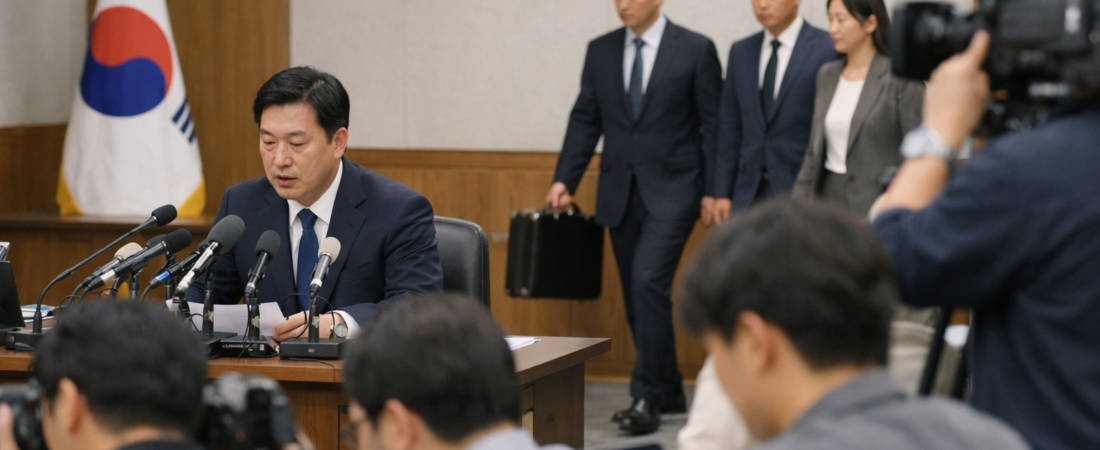
What happens when a single investigation becomes the center of an entire nation’s political fight? That’s exactly the situation unfolding around Korea’s Comprehensive Special Counsel right now in the National Assembly. A bill to extend the investigation period by 30 days has triggered a filibuster, sharp accusations, and a looming forced vote.
If you’ve followed Korean politics even casually, you know special counsel investigations rarely stay quiet. This one is no exception. Let’s break down what’s actually happening, why both sides are digging in, and what it means for Korea’s democracy going forward.
What Is Happening With the Comprehensive Special Counsel Bill
The bill in question would extend the investigation period of the Second Comprehensive Special Counsel by 30 days. It was introduced to a National Assembly plenary session, sponsored by the pro-government bloc. That bloc includes the Democratic Party of Korea and its allied smaller parties.
Why does an extension even matter? Special counsel investigations in Korea run on strict legal deadlines. Once that clock runs out, prosecutors must wrap up or lose their mandate to keep investigating.
The Second Comprehensive Special Counsel has been examining multiple interconnected cases at once. That’s the “comprehensive” part of its name — it doesn’t focus on just one scandal, but bundles related investigations under a single legal mandate. Extending its timeline means giving investigators more room to finish complex, multi-layered work.
Here’s where things get tense. The pro-government camp controls enough seats to push the bill through, but not without resistance. The People Power Party, Korea’s main opposition, refused to let the bill pass quietly.
Instead, opposition lawmakers launched a filibuster — an unlimited debate session designed to delay the vote. Under Korean National Assembly rules, a filibuster can only be forcibly ended if more than 180 lawmakers vote to close debate after 24 hours have passed. Given the pro-government bloc’s numbers, that threshold is well within reach, which means the outcome of this Comprehensive Special Counsel extension fight already looks fairly predictable.
Why the People Power Party Calls This an Opposition Purge
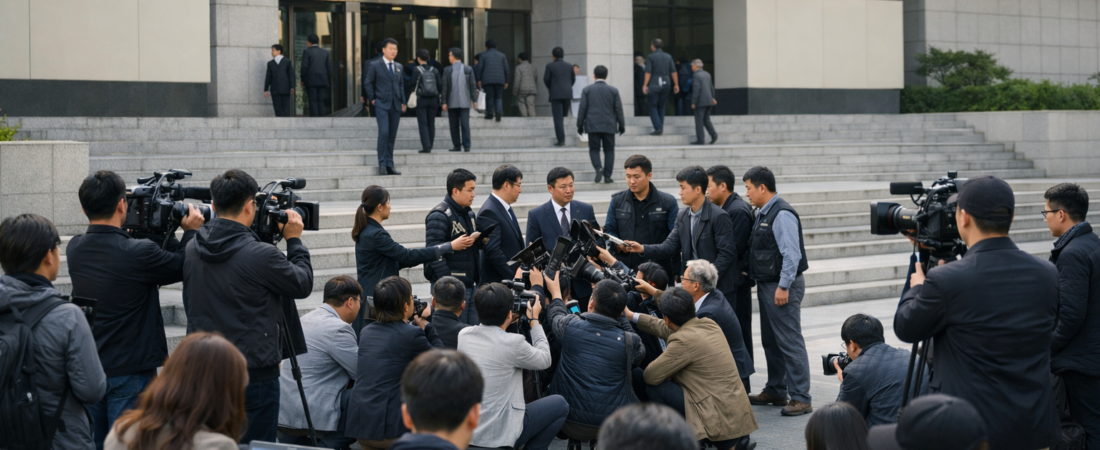
So why is the People Power Party fighting so hard against a simple 30-day extension? Their argument centers on intent, not just procedure. They claim the Comprehensive Special Counsel investigation has become a political weapon aimed squarely at them.
Is that a fair characterization, or political theater? It’s worth understanding both possibilities before judging.
Special counsel investigations in Korea have a complicated history. They were originally designed as a check on power — a way to investigate cases too sensitive for regular prosecutors to handle independently. Presidents, ruling parties, and opposition figures have all, at different points, been targets of such investigations.
The People Power Party argues this particular Comprehensive Special Counsel crosses a line. They say the ruling coalition designed its scope broadly enough to sweep in opposition figures, prolonging scrutiny well beyond what’s reasonable. From their perspective, extending the investigation isn’t about finishing legitimate work — it’s about keeping political pressure alive heading into future elections.
This isn’t a new complaint in Korean politics. Special counsel probes have often been accused of partisan motivation, regardless of which party holds power at the time. That history gives the People Power Party’s filibuster some rhetorical weight, even if critics dismiss it as obstruction.
Their filibuster strategy also serves a secondary purpose: visibility. Unlimited debate sessions get broadcast, quoted, and shared widely. Even if the bill passes anyway once the 180-vote threshold is reached, the filibuster lets the opposition make its case directly to the public before the Comprehensive Special Counsel’s mandate officially expands.
The Democratic Party’s Case for Extending the Comprehensive Special Counsel
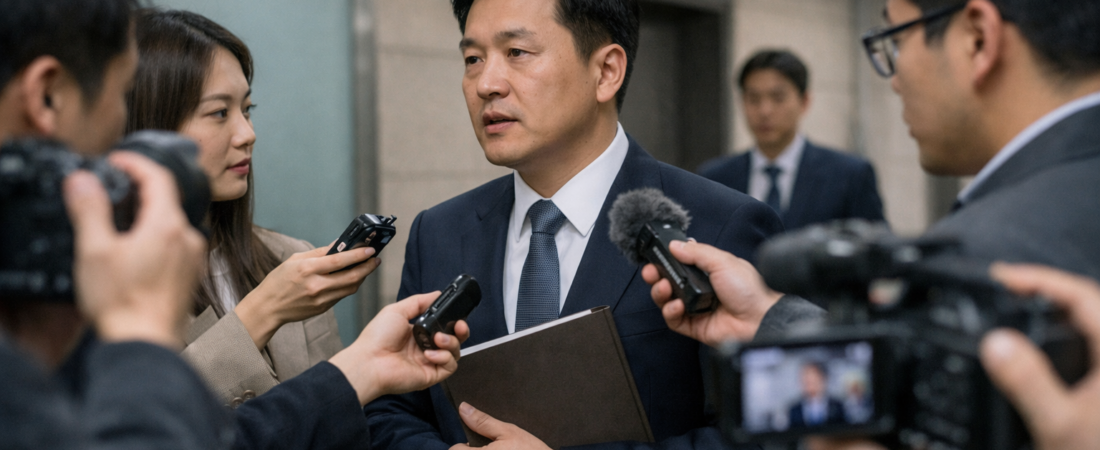
On the other side, the Democratic Party of Korea insists this extension is purely practical. Their argument is straightforward: the investigation isn’t finished, so cutting it short would leave serious cases unresolved.
Does that argument hold up? To answer that, you have to consider how complex these bundled investigations really are.
Remember, this is a “comprehensive” special counsel — meaning it covers several related cases under one investigative umbrella. Untangling multiple threads of evidence, interviewing witnesses, and building prosecutable timelines takes time. Thirty extra days, the Democratic Party argues, is a modest request given the scale of what investigators are examining.
The ruling coalition also points to precedent. Korea has extended special counsel investigations before, often with bipartisan understanding that complex cases need flexible timelines. If prosecutors are still actively gathering evidence, stopping the clock arbitrarily could mean key findings never see daylight.
You can find more background on Korea’s special counsel framework and its legislative history through Korea Herald, which has tracked similar extension debates in past sessions.
Critics of the Democratic Party’s position ask a fair question, though: if 30 days wasn’t enough the first time, what guarantees it will be enough now? That uncertainty fuels opposition suspicion that this Comprehensive Special Counsel could keep getting extended indefinitely, turning a time-limited legal tool into an open-ended political instrument.
What This Filibuster Battle Reveals About Korea’s Political Future
Step back from the immediate fight, and a bigger pattern emerges. Korea’s National Assembly keeps returning to the same battlefield: special counsel investigations as proxies for larger political struggles.
Why does this keep happening? Because in Korea’s polarized political landscape, control over investigations often feels like control over political survival itself.
The Comprehensive Special Counsel fight fits neatly into this pattern. Whoever controls the investigation’s timeline effectively controls its political impact — when findings surface, how long scrutiny lasts, and which party bears the political cost. That’s precisely why both sides are fighting so intensely over what looks, on paper, like a technical 30-day extension.
The filibuster itself also says something important about Korean legislative culture. Unlimited debate isn’t really designed to change outcomes anymore, given how vote thresholds work. Instead, it’s become a tool for public messaging — a way to slow down the process just long enough to make your objections part of the permanent political record.
Once the 24-hour mark passes and the pro-government bloc gathers its 180-plus votes, the Comprehensive Special Counsel extension will almost certainly become law. But the political fallout won’t end there. Expect continued sparring over how the extended investigation proceeds, what it uncovers, and whether it becomes a campaign issue in future elections.
For readers outside Korea, this case offers a useful lens into how young democracies balance accountability with political competition. Special counsel systems exist to serve justice, not partisanship — yet in practice, the two often become tangled. Korea’s Comprehensive Special Counsel debate shows just how difficult that balance can be to maintain, even in a mature, functioning democracy.
Looking ahead, expect this fight to shape how future administrations design special counsel legislation. Lawmakers on both sides may push for clearer, less politically flexible extension rules to avoid repeating this exact standoff. Whether that reform actually happens, or whether the Comprehensive Special Counsel becomes just another recurring flashpoint, remains an open question.
What do you think — should special counsel investigations in Korea have fixed, non-extendable deadlines, or does complex casework justify flexible timelines like this one?
AI-Generated Photorealistic Image — All people, scenes, and details in this image are entirely AI-generated and fictional. Not a real photograph of an actual person or event. 이 이미지는 AI로 생성된 가상 이미지입니다.
Leave a Reply