Table of Contents
What does it take to lead one of Korea’s most powerful political parties? That question sits at the center of the ongoing Democratic Party National Convention race. Candidates are already trading sharp words, and money has become just as controversial as ideology.
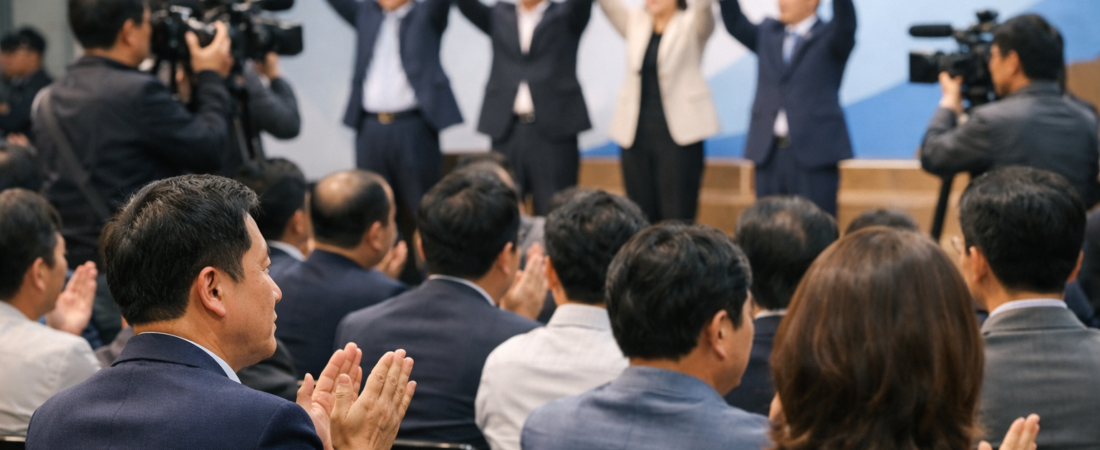
The first joint speech event for the Democratic Party National Convention turned tense fast. Candidates aiming for party leadership used the stage to target each other directly, rather than simply introducing themselves. This is not just political theater — it reveals real anxiety about who controls the party’s future.
What Happened at the Democratic Party National Convention
The preliminary race for the Democratic Party National Convention kicked off with its first joint speech session. Candidates for party leadership stood side by side, but the mood was far from friendly. Instead of unity messaging, several speeches turned into pointed jabs aimed at rivals.
Why does this matter? Because how candidates behave in these early rounds often predicts how the party will function later. A convention full of infighting can weaken the party’s public image before the real campaign even begins.
This tension is not unique to Korea, but it does reflect something specific about Korean party politics. Leadership races inside major parties like the Democratic Party often double as proxy battles between factions. Every word spoken at the Democratic Party National Convention gets analyzed for hidden signals about future alliances.
Political observers noted that the sharp exchanges suggest a closely contested field. No single candidate appears to have a clear, commanding lead. That uncertainty alone raises the stakes for every remaining stage of the Democratic Party National Convention.
Why the Deposit Fee Debate Matters
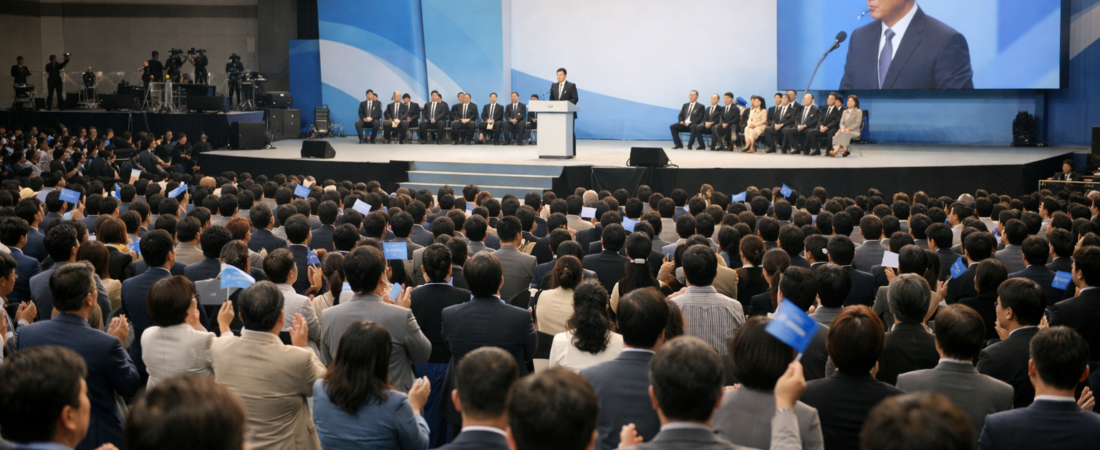
Here’s a detail that surprised many outside observers: candidates must pay a deposit fee just to run. And critics say the current fee for the Democratic Party National Convention is simply too high.
Think about what a high deposit fee actually does. It filters out candidates who lack deep financial backing, even if they have strong ideas or grassroots support. That is exactly the criticism now facing the party’s election management committee.
The party’s election management committee is expected to review whether the deposit amount should change. This is not a minor technical issue — it touches a much bigger question. Should money determine who gets to run for party leadership in the first place?
Party leadership has publicly responded to this concern. They stated that they want to prevent money from becoming a barrier to entering politics. That is a notable admission, because it suggests the party itself recognizes a structural problem inside its own system.
Deposit fees exist in Korean party elections for a practical reason. They discourage candidates who are not serious, and they help cover administrative costs of running a large internal election. But when the fee climbs too high, it risks excluding capable candidates who simply don’t have wealthy backers or corporate connections.
This tension between practical necessity and fair access sits at the heart of the current debate. Reformers within the party argue that a lower fee would open the Democratic Party National Convention to a wider, more diverse pool of candidates. Traditionalists worry that lowering the bar too much could invite chaos, with too many candidates crowding the race.
The Political Stakes Behind the Rivalry
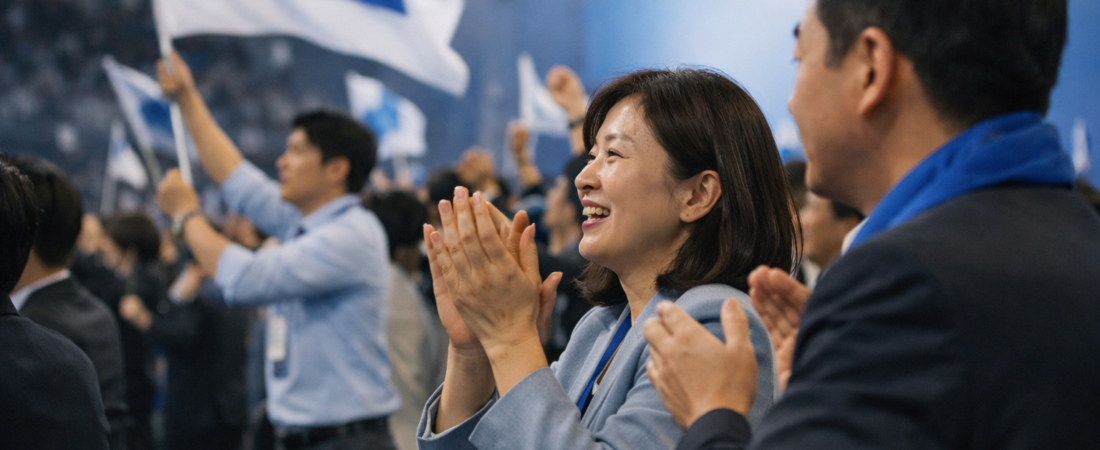
Why are candidates fighting so hard, so early? Because winning the Democratic Party National Convention means controlling one of Korea’s two dominant political forces. The party leader shapes legislative strategy, controls key appointments, and sets the tone heading into future elections.
Korean politics has a long history of intense internal party battles, and this one fits that pattern closely. The Democratic Party, like its rivals, often experiences fierce factional competition during leadership transitions. These internal struggles can shape national policy directions for years afterward.
Consider the timing here. Whoever wins this Democratic Party National Convention will lead the party through major legislative sessions and likely into the next set of national elections. That responsibility explains why candidates are willing to clash publicly, even at the earliest campaign stage.
Some analysts compare this moment to previous convention cycles, where early sparring eventually gave way to fragile unity once a winner emerged. Others warn that this year’s rivalry feels sharper, hinting at deeper factional divides. Either way, the outcome will ripple far beyond party headquarters.
For readers unfamiliar with Korean party structures, it helps to understand how centralized power really is. Unlike some Western parties with more distributed leadership, Korean parties often concentrate significant authority in a single elected leader. This makes the Democratic Party National Convention far more consequential than a simple internal formality — it is, in many ways, a mini national election in itself.
For a broader look at how this race is unfolding, check coverage from Korean News Agency, which has been tracking candidate statements closely.
What This Means for Korea’s Political Future
So where does this leave ordinary voters? The outcome of the Democratic Party National Convention will directly influence how the party approaches upcoming legislation. It will also shape how accessible Korean politics feels to future candidates without deep pockets.
If the deposit fee actually gets lowered, that would send a meaningful signal. It would suggest Korean parties are willing to address financial barriers rather than just talk about them. If nothing changes, critics will likely view the party’s promise as empty rhetoric.
Isn’t it worth asking whether money should ever determine who gets a seat at the political table? That question extends well beyond this one convention. It touches core democratic values that voters everywhere care about.
The rivalry seen at the first joint speech event also hints at what leadership style might emerge from this Democratic Party National Convention. A leader who wins through sharp attacks may govern differently than one who wins through coalition-building. Watch closely how each candidate adjusts their tone as the race progresses.
Korean politics moves fast, and this convention race will likely produce more twists before voting concludes. Whether the party successfully balances open competition with fair access remains the central question. That balance will define not just this election, but public trust in the party going forward.
What do you think — should political parties lower financial barriers to leadership races, even if it means more crowded competition?
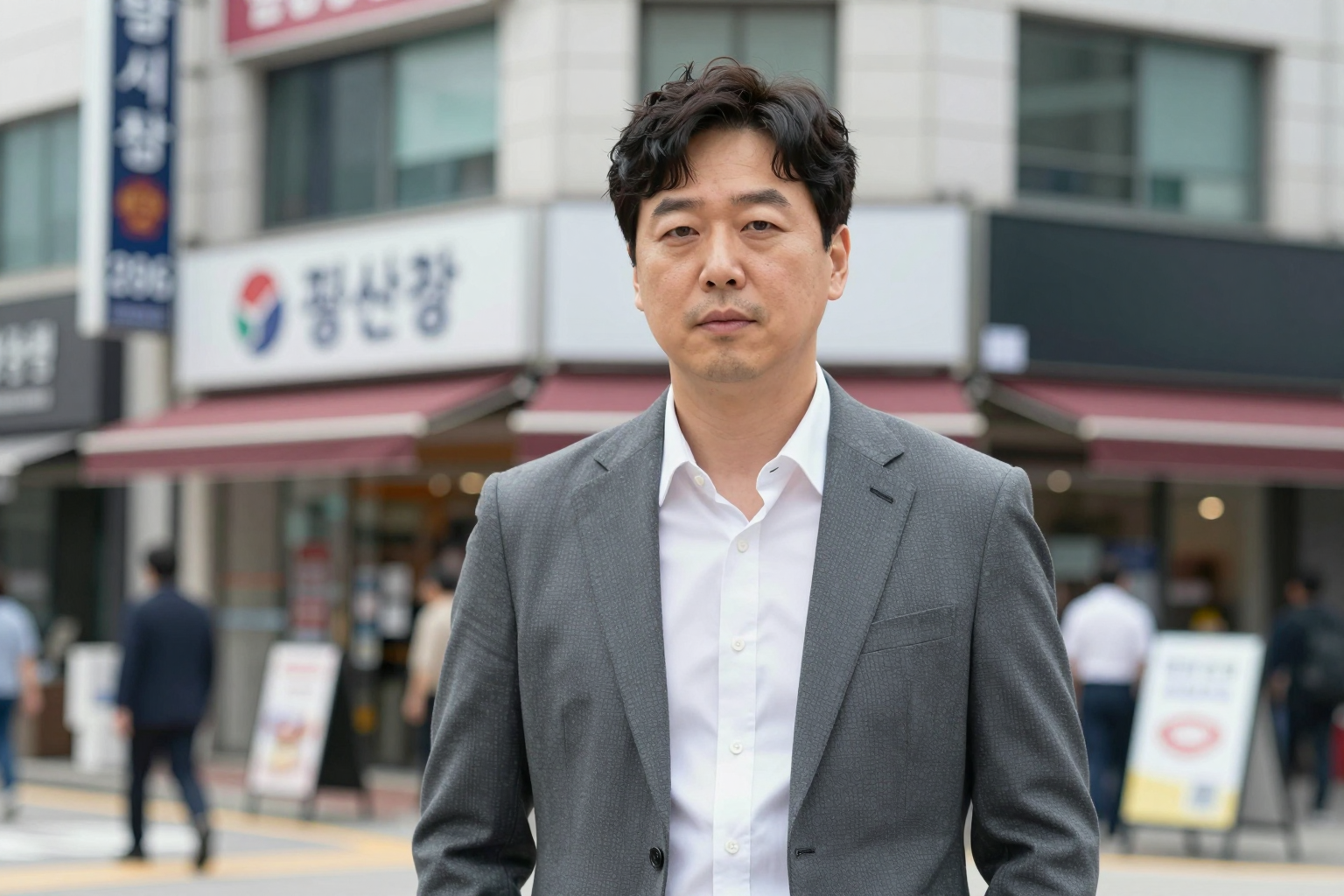
AI-Generated Photorealistic Image — All people, scenes, and details in this image are entirely AI-generated and fictional. Not a real photograph of an actual person or event. 이 이미지는 AI로 생성된 가상 이미지입니다.



Leave a Reply