Table of Contents
Can you imagine showing up to vote and finding out there simply aren’t enough ballots? That’s exactly what happened during Korea’s June 3 local elections. Now, both ruling and opposition parties have agreed to pass the National Election Commission special counsel bill this month, and the stakes couldn’t be higher.
This isn’t just another political headline. It’s a story about trust — the kind of trust every democracy depends on. Let’s break down what happened, why lawmakers finally agreed, and what it means for you as someone watching Korean politics unfold.
What Triggered the National Election Commission Special Counsel Bill
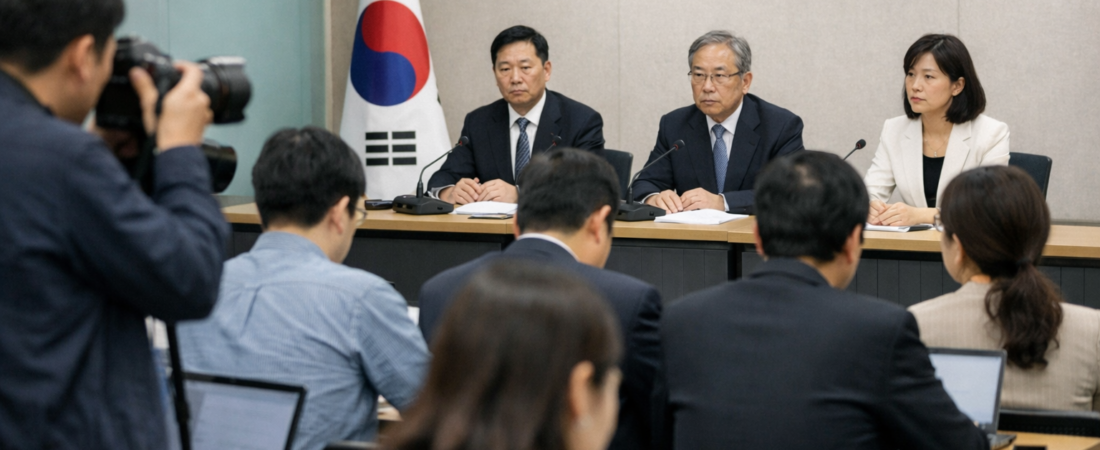
During the June 3 local elections, something went wrong at multiple polling stations. Ballot papers ran short, leaving voters waiting or, in some cases, unable to cast their votes at all. For a country known for efficient, high-turnout elections, this was a genuine shock.
Naturally, questions started piling up. Was this simple administrative error? Or something more troubling? Voters deserved answers, and so did the political parties who represent them.
That pressure is exactly why the National Election Commission special counsel bill moved so quickly through negotiations. Both the ruling Democratic Party of Korea and the main opposition People Power Party recognized they couldn’t ignore this. An extraordinary session of the National Assembly this month will now handle the formal legislative process.
Think about it this way. When ballot papers run out, it’s not just inconvenient — it strikes at the core promise of any election: that every vote counts, and every voter gets heard.
How the Recommendation Process Will Actually Work
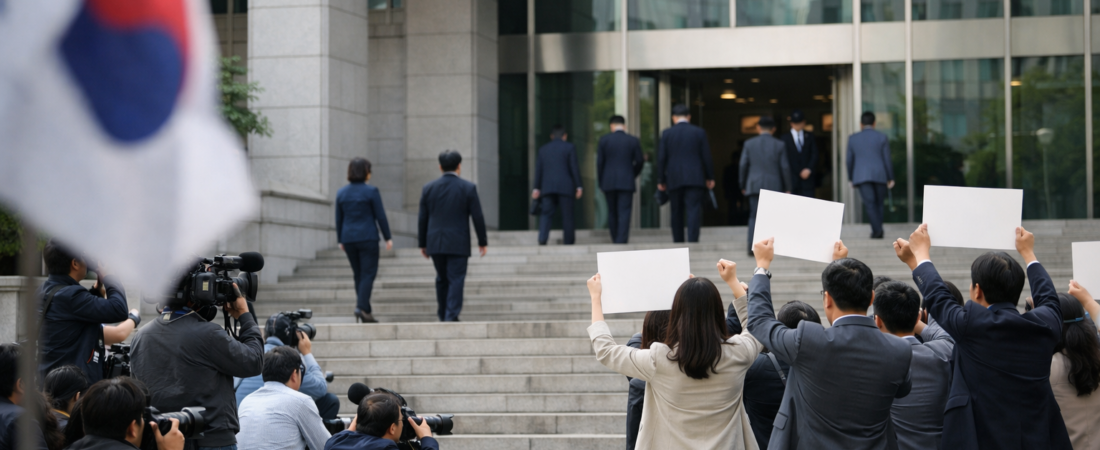
Here’s where things get interesting. Instead of one party controlling who investigates, both sides designed a balanced system. The National Election Commission special counsel bill creates a national recommendation committee made up of equal members from each party.
Why does equal representation matter so much here? Because a special counsel investigation loses all credibility if one party feels shut out. Nobody wants a repeat of past controversies where special counsel appointments became just another partisan battle.
Under this structure, the Democratic Party of Korea and the People Power Party each nominate the same number of committee members. That committee then must agree — together — on two final candidates for special counsel.
Once the committee settles on two names, the ball moves to the president. The president then selects one of these two candidates to formally serve as special counsel. This two-step filtering process is meant to prevent any single actor from dominating the outcome.
It’s a compromise model, and compromise models rarely satisfy everyone completely. But given how contentious special counsel appointments have been in recent Korean political history, this balanced approach represents real progress.
Why This Bipartisan Agreement Matters for Korean Democracy
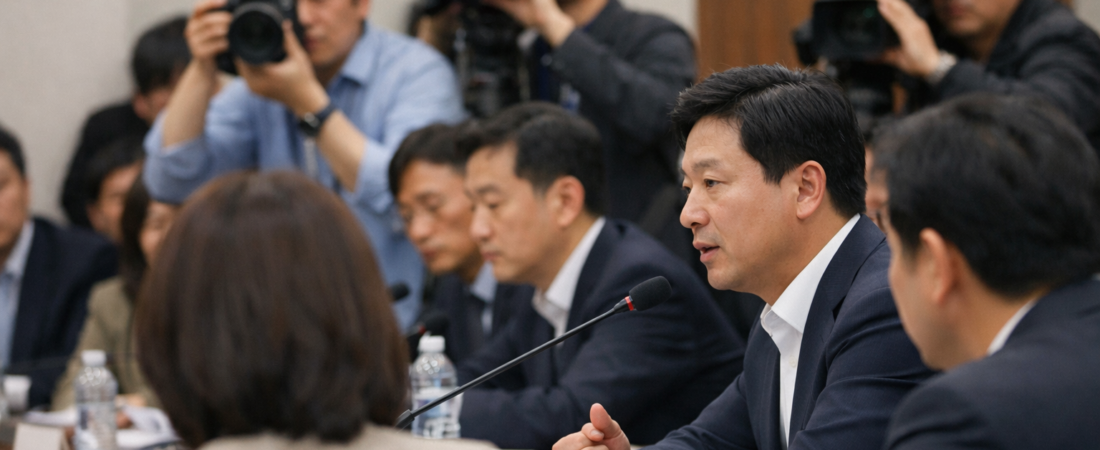
Let’s zoom out for a moment. Why should you care about a ballot paper shortage from one local election cycle? Because how Korea handles this test says a lot about its democratic maturity.
South Korea has built an international reputation for clean, well-organized elections. Voter turnout regularly outpaces many Western democracies, and election day itself often feels almost festive. So when something like this happens, it doesn’t just embarrass officials — it threatens public confidence in the whole system.
The National Election Commission special counsel bill matters because it shows lawmakers taking that threat seriously, rather than sweeping it under the rug. Both parties agreeing to a shared, balanced investigation process signals something important: even in Korea’s famously combative political environment, certain issues still demand cooperation.
Historically, special counsel investigations in Korea have often become political weapons. One side appoints, the other side cries foul, and the investigation itself becomes controversial before it even starts. This time, the equal-committee model tries to break that cycle.
Does this guarantee a perfectly neutral outcome? Not necessarily. But it does reduce the chance that either party can simply hand-pick a friendly investigator.
For readers unfamiliar with Korean election administration, it helps to understand the National Election Commission’s role. This independent body oversees everything from voter registration to ballot counting nationwide. Readers wanting deeper background on Korea’s election system can explore resources like Yonhap News Agency for additional context on how these institutions typically operate.
What Comes Next for the Investigation
So what happens after the special counsel gets appointed? That’s still being worked out. According to the agreement, the exact scope of the investigation — meaning who and what gets examined — requires further negotiation between the parties.
This detail matters more than it might seem. A narrow investigation might only look at logistics failures on election day. A broader one could examine whether any negligence, mismanagement, or even intentional actions contributed to the shortage.
Will the special counsel focus only on the ballot paper issue itself? Or will investigators dig into broader questions about election administration practices across the country? These are the questions Korean voters will be watching closely in the coming weeks.
The timeline also deserves attention. Since lawmakers plan to process the National Election Commission special counsel bill during this month’s extraordinary session, formal legal groundwork could move faster than typical legislation. That said, appointing the actual special counsel still requires the committee to agree on two names — and agreement between rival parties never happens overnight.
For everyday Korean citizens, the real test will come once the special counsel starts working. Will the findings restore confidence in the National Election Commission? Or will they reveal deeper structural problems that require even bigger reforms?
Either way, this case offers a valuable lesson in democratic accountability. When something goes wrong in an election — even something as seemingly simple as ballot paper supply — a functioning democracy investigates it openly, rather than hoping the problem quietly disappears.
Korea’s political parties don’t agree on much these days. But this rare moment of bipartisan cooperation around the National Election Commission special counsel bill suggests that election integrity remains one issue capable of bridging even the deepest political divides.
As this investigation moves forward, it will likely shape how Korea manages election logistics for years to come. What do you think — does a balanced, bipartisan special counsel model actually build more public trust, or does it just create a new kind of political compromise?
AI-Generated Photorealistic Image — All people, scenes, and details in this image are entirely AI-generated and fictional. Not a real photograph of an actual person or event. 이 이미지는 AI로 생성된 가상 이미지입니다.
Leave a Reply