Table of Contents
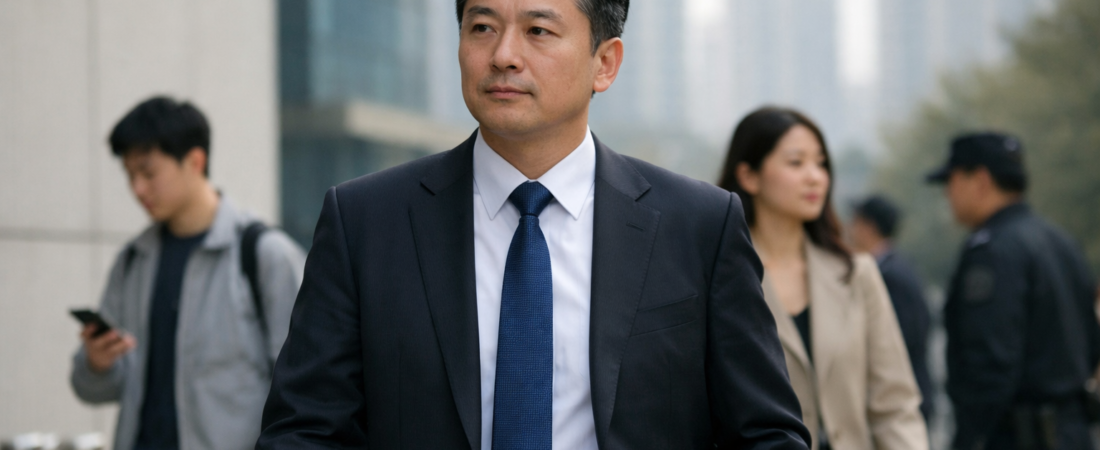
Can patience actually change the course of a decades-old conflict? Foreign Minister Cho Hyun seems to think so. Speaking at a major regional summit in Manila, Cho Hyun promised to keep pursuing dialogue with North Korea, no matter how slow the progress feels.
That message might sound simple. But in the world of Korean diplomacy, patience is a strategy, not just a virtue.
Cho Hyun’s Call for Patient Diplomacy
Cho Hyun made his remarks at the East Asia Summit (EAS) Foreign Ministers’ Meeting, held in Manila, Philippines. He told fellow diplomats that South Korea will continue working toward peaceful coexistence with North Korea. He also stressed the goal of shared economic growth between the two Koreas.
This is not a new goal for South Korea. But how you pursue it matters just as much as the goal itself, doesn’t it?
Cho Hyun’s framing focused on two words: peace and coexistence. These are not new terms in Korean foreign policy.
Still, using them at a multilateral forum like the EAS sends a signal. South Korea wants the international community involved, not just North Korea’s traditional allies. Cho Hyun asked EAS member states to keep supporting efforts to resolve tensions on the Korean Peninsula.
That’s a notable ask. Regional bodies like the EAS include major powers such as the United States, China, Japan, Russia, and members of the Association of Southeast Asian Nations (ASEAN).
By bringing the Korean Peninsula issue to this table, Cho Hyun widened the circle of stakeholders. He didn’t ask for immediate action. He asked for sustained attention and cooperation, a request that fits his broader philosophy of patient, long-term diplomacy.
Inside the Manila Meeting: What Cho Hyun Told the Region
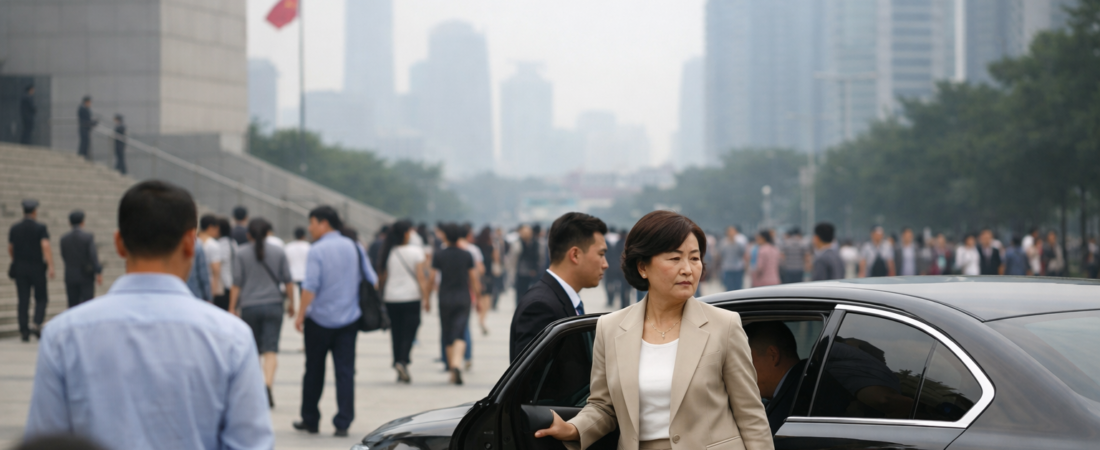
The EAS Foreign Ministers’ Meeting brings together 18 countries each year. It covers security, economic cooperation, and regional stability across the Indo-Pacific.
Cho Hyun used this platform to address North Korea policy directly. He reaffirmed that Seoul remains committed to reopening channels of dialogue with Pyongyang, even after years of stalled communication.
Why does this matter now? North Korea has shown little interest in formal talks in recent years.
Missile tests continue. Diplomatic channels remain largely frozen. Yet Cho Hyun chose not to abandon the goal of dialogue, instead reaffirming it publicly on an international stage.
That choice reflects a deliberate diplomatic posture. Announcing patience doesn’t guarantee results, but it does keep the door open, symbolically and practically, for future negotiations.
Cho Hyun’s message also served a secondary purpose. It reassured allies and partners that South Korea’s approach to North Korea remains stable and predictable.
In a region full of shifting alliances, predictability itself becomes a form of diplomatic capital. You could say Cho Hyun was managing expectations as much as announcing policy.
Regional forums like the EAS often produce broad statements rather than concrete agreements. Critics might call this diplomatic theater.
But Cho Hyun’s repeated emphasis on peaceful coexistence and economic cooperation shows a consistent thread in South Korea’s messaging. Consistency, especially in unstable times, carries its own diplomatic weight.
Beyond the Peninsula: Cho Hyun’s Stance on Global Security
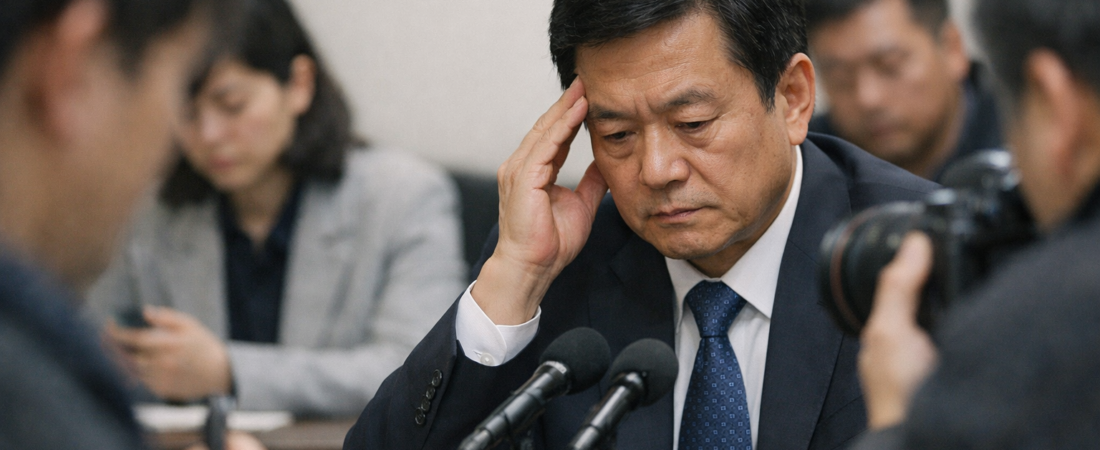
Cho Hyun didn’t stop at inter-Korean issues. He also addressed two flashpoints far from the Korean Peninsula: the South China Sea and the Strait of Hormuz.
Both waterways matter enormously for global trade and energy shipments. Why would Korea’s top diplomat weigh in on these distant disputes?
The answer lies in South Korea’s economic dependence on open sea lanes. Korea imports nearly all of its energy and exports a massive share of its manufactured goods by sea.
Cho Hyun reaffirmed South Korea’s principle of freedom of navigation and overflight in these contested waters. This is not a new position, but restating it at the EAS reinforces Seoul’s commitment to a rules-based international order.
You might wonder why a peninsula-focused country cares so much about the South China Sea. The truth is, no modern trading nation can afford to ignore chokepoints that carry global shipping traffic.
Cho Hyun also addressed the ongoing crisis in Myanmar. South Korea, alongside ASEAN and other regional partners, has expressed concern over Myanmar’s political instability since the 2021 military coup.
Cho Hyun reaffirmed Seoul’s support for ASEAN-led efforts toward a peaceful resolution. This stance aligns Korea with organizations like the ASEAN Secretariat, which continues to monitor developments in the region closely.
By covering these three distinct issues, Cho Hyun demonstrated that South Korea sees itself as a responsible middle power. It’s not just reacting to its own regional threats.
It’s actively participating in global governance conversations. That’s a meaningful shift for a country once seen mainly as a Cold War frontline state.
Why Cho Hyun’s Diplomatic Approach Matters for Korea’s Future
Let’s step back and ask the bigger question. Does patient diplomacy actually work?
History offers mixed answers. The Sunshine Policy era of the late 1990s and early 2000s showed both the promise and limits of engagement-focused approaches toward North Korea.
Cho Hyun’s current strategy echoes some of that spirit, but with important differences. Unlike earlier eras, today’s diplomacy happens amid tighter international sanctions and a more assertive North Korean military posture.
This means Cho Hyun cannot simply repeat old playbooks. He has to build coalition support gradually, using multilateral platforms like the EAS to keep global attention focused on the Korean Peninsula.
Patience, in this context, isn’t passive waiting. It’s active coalition-building disguised as calm messaging.
For everyday readers outside Korea, this might seem like distant political maneuvering. But consider this: stability on the Korean Peninsula affects global markets, supply chains, and regional security architecture far beyond Northeast Asia.
When Cho Hyun speaks about peaceful coexistence, he’s speaking to an audience that includes global investors, security analysts, and ordinary citizens whose lives connect to Korea’s economic and political stability. Cho Hyun’s approach also reflects a broader trend in Korean foreign policy under the current administration.
Seoul appears to be positioning itself as a stabilizing voice, one that supports dialogue without appearing naive about North Korea’s actual behavior. This balancing act isn’t easy.
Push too hard for dialogue, and critics accuse you of appeasement. Push too little, and tensions could escalate unnecessarily.
Cho Hyun seems to be threading that needle carefully, at least for now. Looking ahead, Cho Hyun’s continued diplomatic engagement will likely shape how South Korea navigates upcoming regional summits and bilateral talks throughout 2026.
Whether this patient approach eventually produces real breakthroughs with North Korea remains uncertain. But one thing is clear: Cho Hyun has chosen consistency and multilateral engagement over dramatic gestures.
That choice may not make headlines every day. Yet it could prove more durable in the long run than flashier diplomatic moves.
So here’s a question worth sitting with: does quiet, patient diplomacy like Cho Hyun’s actually build lasting peace, or does it simply maintain an uneasy status quo? What do you think about Korea’s approach to reopening dialogue with North Korea under Cho Hyun’s leadership?
AI-Generated Photorealistic Image — All people, scenes, and details in this image are entirely AI-generated and fictional. Not a real photograph of an actual person or event. 이 이미지는 AI로 생성된 가상 이미지입니다.


Leave a Reply