Table of Contents
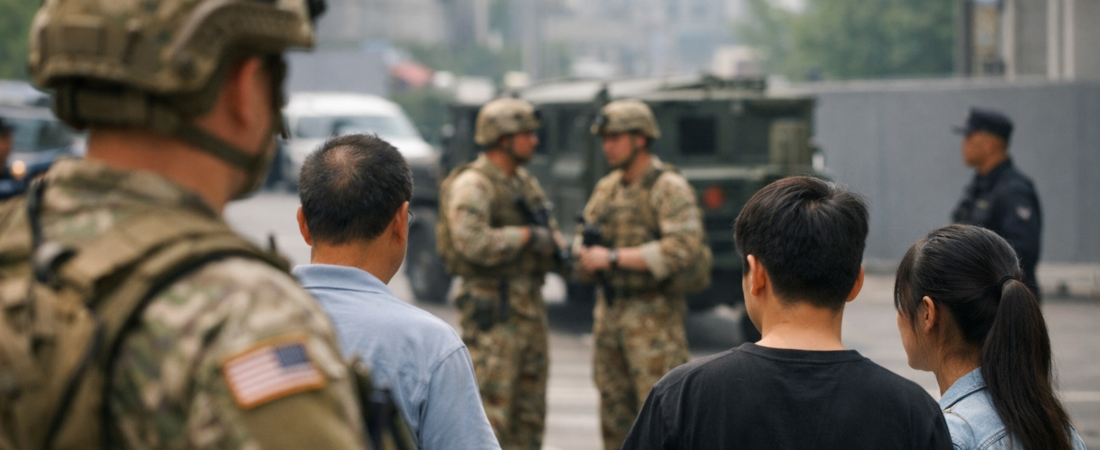
What if Korea’s next war-fighting role isn’t on the front line, but behind it? That question matters more than ever, as USFK just wrapped up its biggest logistics drill in years. Nearly 4,400 troops and 600 pieces of equipment moved through Pohang and Hongcheon, practicing something most people never think about: how to get soldiers and supplies from ships to the battlefield.
This wasn’t a small drill. It was a rehearsal, and understanding why matters for anyone watching Korea’s alliance with the United States. USFK leadership has said, more than once, that they want Korea to become a logistics and supply hub for the entire Pacific region.
What Just Happened: Korea’s Largest Sustainment Exercise
Let’s start with the basics. The exercise took place in two locations: Pohang, on Korea’s southeastern coast, and Hongcheon, in Gangwon province. These aren’t random spots.
Pohang has long served as a staging ground for amphibious operations, while Hongcheon offers the inland terrain needed to test overland movement. Together, they created a realistic corridor from sea to shore to inland positions.
The numbers tell their own story. About 4,400 personnel and roughly 600 vehicles and equipment units took part, making this the largest sustainment training exercise conducted between Korea and the United States to date.
Sustainment, in military terms, means keeping an army supplied and functioning over time. Think fuel, ammunition, food, and medical support. It sounds unglamorous, but ask any historian and they’ll tell you: wars are won or lost on logistics, not just firepower.
The exercise specifically tested how forces move troops and materials from ships offshore onto land, then push them further inland. That process, called ship-to-shore movement, is notoriously difficult under real combat conditions.
Practicing it at this scale suggests USFK isn’t just checking a routine training box. They’re preparing for something bigger.
Why USFK Wants Korea as a Pacific Logistics Hub
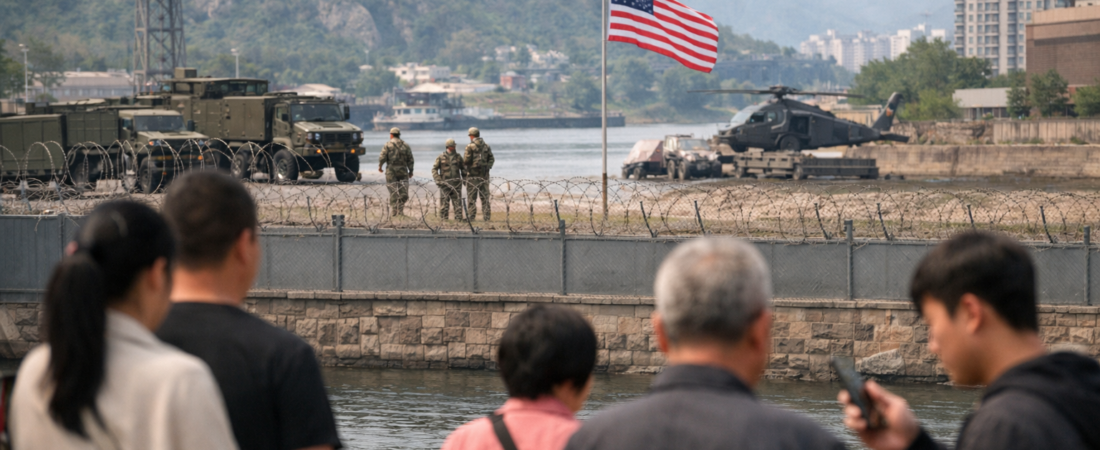
Here’s where things get interesting. USFK command has repeatedly floated an idea: turn Korea into a military logistics and supply hub for the broader Pacific theater. Why does that matter, and why now?
The Indo-Pacific region has become the central focus of American defense strategy over the past decade. Tensions around Taiwan, the South China Sea, and North Korea’s growing missile capability have all pushed Washington to rethink how it positions forces across Asia.
Korea sits in a uniquely useful spot. It has deep-water ports, developed rail and road networks, and decades of joint infrastructure built with the U.S. military.
Turning USFK bases into a supply and repair hub means faster response times if conflict breaks out anywhere in the Pacific. Instead of shipping parts and personnel all the way from the American mainland, forces could restock and refit much closer to potential flashpoints.
Doesn’t that make strategic sense from a purely logistical standpoint? Absolutely, but it also raises a bigger question for Korean society.
If USFK becomes a war-material transit hub, does Korea’s role in any future regional conflict change? That’s not a hypothetical anymore; it’s the direction current planning appears to be heading.
You can read more about how the U.S. military frames its regional posture through outlets like Yonhap News Agency, which has tracked these developments closely.
Reading Between the Lines: What This Exercise Really Tests
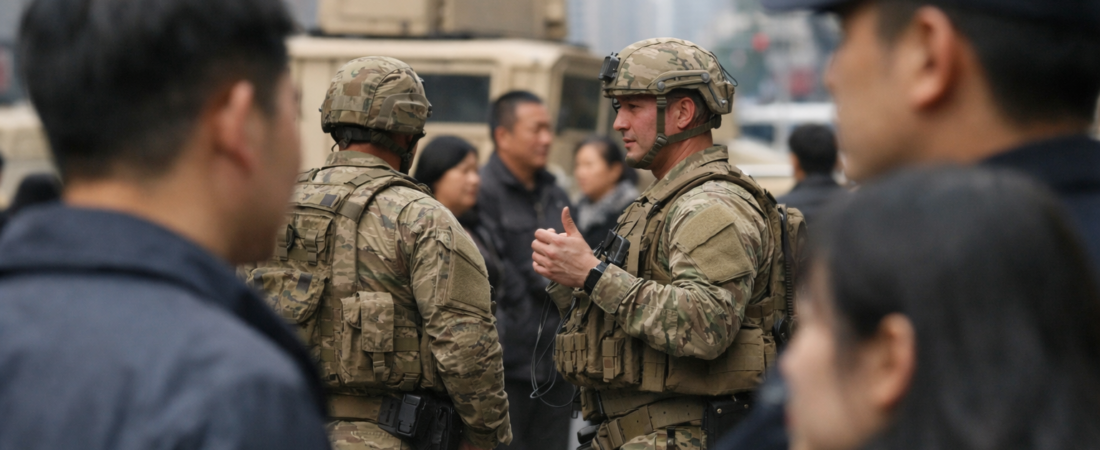
Let’s be honest with ourselves. Military exercises are never just about the immediate drill. They’re rehearsals for scenarios planners expect to face eventually.
So what does a sea-to-shore-to-inland sustainment exercise, involving 600 vehicles, actually rehearse? It rehearses moving large volumes of war material quickly, under pressure, through Korean territory.
Consider the historical context here. During the Korean War, logistics failures cost thousands of lives.
Supply lines stretched thin, and getting fuel or ammunition to the front lines often took days when it needed to take hours. Modern military planners study that history closely, and they build training around avoiding those same mistakes.
This exercise, then, isn’t disconnected from history. It’s a direct response to lessons learned decades ago, updated for a Pacific-wide conflict scenario rather than a peninsula-only one.
That shift matters. A USFK built around peninsula defense looks different from a USFK built around regional logistics support.
The first model focuses almost entirely on deterring North Korea. The second model treats Korea as one node in a much larger supply network stretching across multiple potential conflict zones.
Which model better serves Korea’s own security interests? That’s a question worth sitting with, because the answer isn’t obvious, and reasonable people disagree.
What This Means for Korea’s Future Role in the Region
So where does this leave Korea, practically speaking? If USFK does become the Pacific’s logistics backbone, Korean infrastructure, industry, and even public opinion will all feel the effects.
Ports like Pohang could see increased military traffic on a regular basis. Domestic defense contractors might benefit from new supply contracts tied to sustainment operations.
These are not small shifts, and they raise real economic and political stakes for Korean policymakers. There’s also a diplomatic dimension worth considering carefully.
Positioning Korea as a war-material transit hub for the entire Pacific inevitably draws attention from neighboring countries, particularly China. Beijing already watches USFK deployments closely, and any expansion of Korea’s logistics role will likely draw diplomatic pushback or, at minimum, sharper rhetoric.
Does Korea want that added friction with its largest trading partner? That’s a question Seoul’s foreign policy planners will need to answer honestly, not just militarily but economically too.
At the same time, there’s a case for the upside. A stronger logistics partnership with the United States could mean more advanced joint training, better infrastructure investment, and a more resilient supply chain during any regional crisis, including one involving North Korea directly.
Alliance planners on both sides likely see this exercise as building exactly that kind of resilience. USFK’s push toward a hub model isn’t happening in isolation, either.
It fits within a broader U.S. strategy of distributing military capability across multiple Asian partners, rather than concentrating everything in one or two locations. Japan, Guam, and the Philippines have all seen similar infrastructure discussions in recent years.
Korea’s inclusion in that network signals real strategic trust, but it also signals real strategic exposure. Every hub becomes a target in wartime, and Korean citizens deserve honest conversation about that tradeoff, not vague reassurances.
Looking ahead, expect more exercises like this one, not fewer. USFK has been consistent and public about its logistics hub ambitions, and this training exercise puts real numbers behind that ambition.
The scale alone, 4,400 personnel and 600 pieces of equipment, tells you this isn’t experimental anymore. It’s becoming standard practice, and Korea’s alliance planners need to keep pace with what that means for national policy, not just military readiness.
What do you think about Korea’s evolving role within USFK’s Pacific-wide strategy? Should Korea embrace becoming a regional logistics hub, or push back and keep its alliance role narrowly focused on peninsula defense?
AI-Generated Photorealistic Image — All people, scenes, and details in this image are entirely AI-generated and fictional. Not a real photograph of an actual person or event. 이 이미지는 AI로 생성된 가상 이미지입니다.
Leave a Reply