Table of Contents
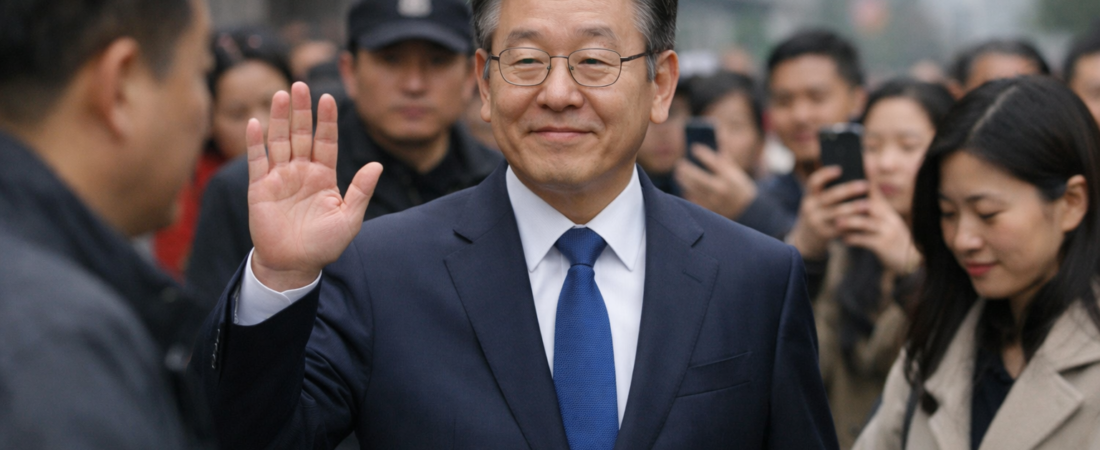
Can a single overseas trip reshape a country’s strategic map? President Lee Jae-myung seems to think so. He just landed in Brasília, Brazil, kicking off a South America tour that touches three major economies at once.
This isn’t a routine diplomatic visit. President Lee Jae-myung is combining defense diplomacy, trade expansion, and Global South outreach into one carefully planned journey. Let’s break down why this trip matters, and what it signals for Korea’s foreign policy direction in 2026.
A New Chapter in Korea-Brazil Relations
President Lee Jae-myung’s arrival in Brasília marks more than a photo opportunity. It signals a deeper shift in how Korea views Latin America. For decades, Korean foreign policy centered heavily on the United States, China, and Japan.
Now, Brazil enters the picture as a serious partner. Why does this matter? Brazil is the largest economy in South America, with massive agricultural, mineral, and industrial resources.
Korea needs diversified trade partners more than ever. Global supply chains are shifting, and relying too heavily on a few countries carries risk. President Lee Jae-myung’s visit to Brasília sends a clear message: Korea wants stronger, more balanced ties across the Global South.
The timing also matters. Trade tensions between major powers have pushed many countries, including Korea, to seek new markets and partners. Brazil offers exactly that kind of opportunity, both as a market and as a strategic ally in South America.
Why President Lee Jae-myung Chose Brasília First
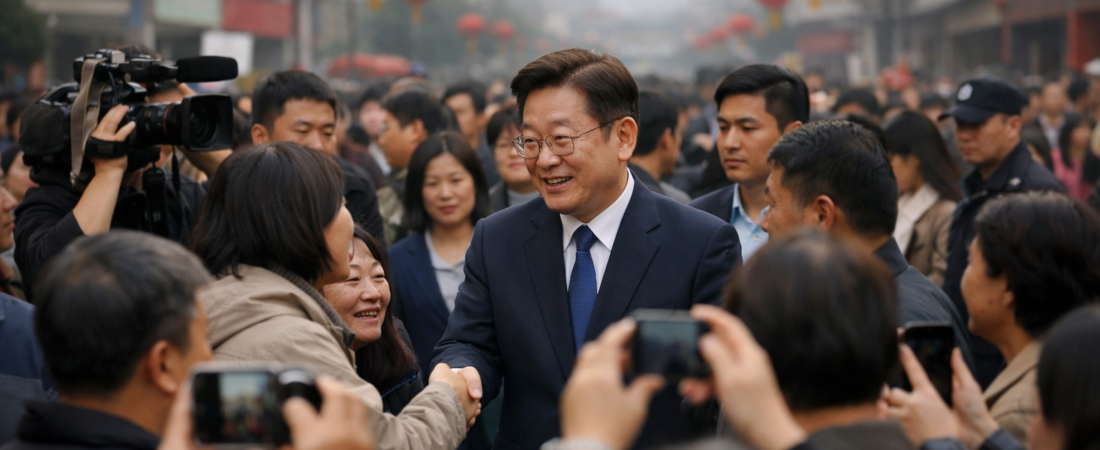
Every stop on a presidential tour carries meaning. So why start in Brasília? The answer lies in Brazil’s growing importance as a regional anchor.
Brazil holds significant influence over trade policy across South America. A strong relationship with Brasília often opens doors to neighboring markets. President Lee Jae-myung understands this dynamic well, and his itinerary reflects it.
After Brazil, he moves on to Chile and Argentina. This three-country sequence isn’t random. Each nation offers something different: Brazil brings scale, Chile offers mineral resources like lithium and copper, and Argentina provides agricultural and energy potential.
Have you ever wondered how small countries like Korea compete on the global stage? The answer often comes through smart, targeted diplomacy rather than sheer size. President Lee Jae-myung’s South America tour reflects exactly this kind of strategic thinking.
By visiting all three countries in a single trip, President Lee Jae-myung maximizes diplomatic efficiency. He builds momentum in one country, then carries it into the next. This approach saves time and signals seriousness to each host nation.
Defense Cooperation and the C-390 Transport Aircraft
Here’s where things get particularly interesting. President Lee Jae-myung didn’t just meet officials in Brasília. He personally inspected the C-390 transport aircraft, a plane Korea’s Air Force plans to introduce soon.
Why does a president bother inspecting military hardware in person? It shows commitment. Defense deals often take years to finalize, and presidential attention can accelerate negotiations significantly.
The C-390 is manufactured by Embraer, a major Brazilian aerospace company. This aircraft offers advanced logistics capability, useful for troop transport, disaster relief, and cargo missions. Korea’s decision to bring this aircraft into its fleet reflects a broader trend: diversifying defense suppliers beyond traditional partners like the United States.
President Lee Jae-myung stated his intention to expand defense cooperation with Brazil during this visit. This isn’t just about buying aircraft. It’s about building long-term industrial partnerships in aerospace and defense technology.
Think about what this means practically. Korea gains access to new aircraft technology. Brazil gains a reliable Asian buyer and potential co-development partner.
Both countries benefit from reduced dependency on a single defense supplier. This kind of mutual benefit forms the foundation of what officials call “economic security partnership,” a phrase increasingly common in Korean foreign policy discussions.
Defense procurement decisions rarely happen in isolation. They connect to broader geopolitical calculations, industrial policy, and economic security concerns. President Lee Jae-myung’s personal inspection of the C-390 signals that Korea takes this partnership seriously, not just as a transaction but as a strategic relationship.
Global South Diplomacy: What This Trip Really Means
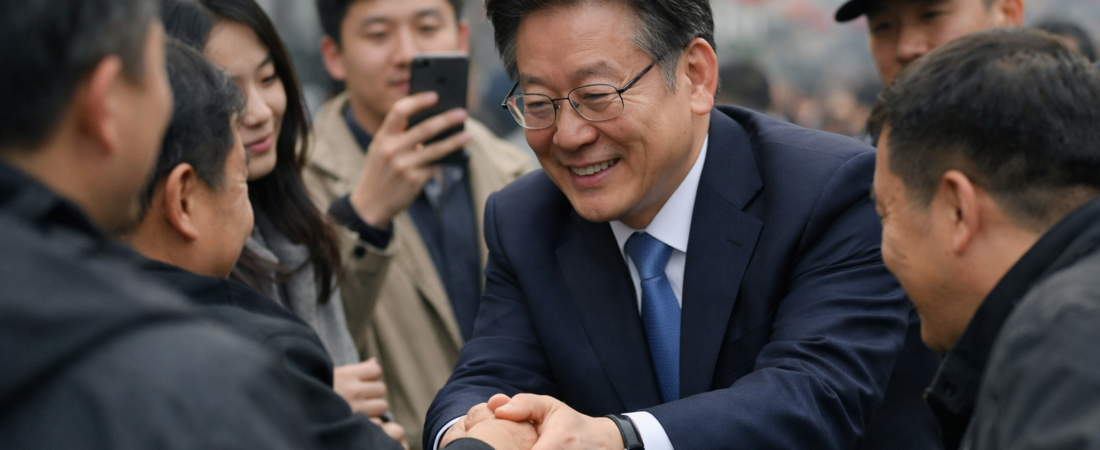
Let’s zoom out for a moment. Why does Korea care so much about “Global South” diplomacy right now? The term refers to developing and emerging economies across Asia, Africa, and Latin America, many of which are gaining economic influence.
President Lee Jae-myung’s South America tour fits into a larger pattern. Korean administrations, both conservative and progressive, have increasingly recognized that traditional alliances alone won’t secure future prosperity. New partnerships matter too.
Consider the numbers. South America holds vast reserves of lithium, copper, and agricultural products, resources critical for Korea’s semiconductor and battery industries. Trade relationships built now could secure supply chains for decades.
The summit meeting with President Lula da Silva of Brazil represents the diplomatic centerpiece of this visit. Both leaders discussed expanding trade and investment ties. According to government officials, this meeting also touches on broader themes: economic security, technology cooperation, and coordinated positions on global trade issues.
Isn’t it fascinating how presidential diplomacy now blends hard security concerns with soft economic goals? President Lee Jae-myung’s visit exemplifies this blend perfectly. He’s not just negotiating trade deals; he’s positioning Korea as a reliable middle power capable of bridging developed and developing economies.
For readers following Korean foreign policy trends, this pattern deserves attention. According to Yonhap News Agency, government officials explicitly framed this trip around three goals: expanding trade and investment, strengthening Global South diplomacy, and building economic security partnerships.
These three goals aren’t separate agendas. They reinforce each other. Trade expansion requires trust, trust requires diplomatic engagement, and diplomatic engagement often includes defense and security cooperation, exactly what we saw with the C-390 inspection in Brasília.
What about Chile and Argentina, the remaining stops on this tour? Chile offers access to lithium, a critical mineral for battery production. Argentina brings agricultural exports and potential energy cooperation, particularly in areas like renewable energy and grain trade.
President Lee Jae-myung’s decision to visit all three countries in sequence suggests a coordinated regional strategy rather than isolated bilateral meetings. This matters because coordinated strategies tend to produce more durable results than one-off visits.
Looking Ahead: What This Means for Korea’s Global Position
So, where does this leave Korea moving forward? President Lee Jae-myung’s South America tour reflects a broader recalibration of Korean foreign policy. Traditional alliances remain important, but new partnerships now carry equal weight.
This shift makes sense given current global conditions. Supply chain disruptions, geopolitical tensions, and economic uncertainty have pushed many nations to diversify their international relationships. Korea, as a trade-dependent economy, cannot afford to rely on just a few partners.
President Lee Jae-myung’s visit to Brazil, Chile, and Argentina represents a calculated bet on the future. It bets that Global South nations will play larger roles in global trade and security over the coming decade. It also bets that early, personal diplomatic engagement, like inspecting the C-390 aircraft firsthand, builds trust that pays dividends later.
Will this tour produce immediate results? Probably not overnight. Diplomatic relationships take time to mature into concrete trade deals and defense contracts.
But the groundwork matters. President Lee Jae-myung’s willingness to personally engage with Brazilian officials, inspect military equipment, and meet directly with President Lula da Silva signals genuine commitment rather than symbolic gesture.
For global readers watching Korean politics, this trip offers a useful lesson. Middle powers like Korea increasingly rely on smart, targeted diplomacy rather than sheer economic weight. President Lee Jae-myung’s South America tour shows how a country can expand influence through careful, strategic engagement across multiple fronts at once.
What do you think about Korea’s growing focus on Global South diplomacy? Does this kind of multi-country tour strike you as smart strategy, or just symbolic politics?
AI-Generated Photorealistic Image — All people, scenes, and details in this image are entirely AI-generated and fictional. Not a real photograph of an actual person or event. 이 이미지는 AI로 생성된 가상 이미지입니다.