
Table of Contents
What happens when a K-pop idol stops trying to be perfect? Young K, the leader of DAY6, just answered that question with his second solo album. He didn’t want to give fans another polished, “successful Young K” record.
Instead, he wanted to show something rawer — the flawed, wounded person behind the stage name, Kang Young-hyun. That choice alone makes this release worth paying attention to.
Young K has spent a decade fronting one of Korea’s most respected band-format groups. So why turn inward now, right as DAY6 marks its 10th anniversary?
Who Is Young K, and Why Does This Album Matter?
Young K built his reputation as the bassist, main vocalist, and primary songwriter of DAY6. Over ten years, he helped the group top charts across Korea with a sound rooted in live instruments rather than heavy production.
That is rare in an industry dominated by choreography and visual concepts. DAY6 earned respect precisely because they played their own music, night after night, on real stages.
Now, as that decade closes, Young K is releasing his second solo album. He described it in a recent interview, covered by Kyunghyang Shinmun, as an attempt to finally turn his attention back toward himself.
For years, his energy went into the group, the fans, the schedule. Ten years is a long time to keep giving without pausing to ask what you actually feel.
This album, in his own words, is that pause. It’s less a victory lap and more a quiet confession.
Young K vs. Kang Young-hyun: Two Names, One Person

Here’s the core of what Young K said, and it’s worth sitting with. He explained that “Young K” represents a more refined, more lovable version of himself — the one built for stages and cameras.
Kang Young-hyun, his real name, is different. That person has flaws. That person carries wounds that never made it into interviews or performances.
Isn’t that split familiar to almost anyone with a public role? A teacher, a manager, even a parent often wears a steadier face than what’s happening inside.
Young K just made that gap the subject of an entire album. He said he wanted to make something “most Young K-like” and “most Kang Young-hyun-like” at the same time.
That’s a hard balance. Fans expect a certain sound and image from Young K, the artist they’ve followed for years.
But Kang Young-hyun, the private individual, doesn’t owe anyone a performance of strength. Merging both honestly, without erasing either one, is what makes this project feel different from a typical idol release.
Making the Album Like a Diary

Some of the most telling details come from how the songs were actually written. Young K said certain tracks came together in about 30 minutes, almost like writing in a diary.
No overthinking. No polishing session after session.
Just whatever emotion was present that day, put directly into a melody. That kind of spontaneous songwriting is unusual for a major-label release tied to a well-known K-pop artist.
Most albums go through endless revisions, focus groups, and marketing calendars. Young K chose immediacy instead, even if it meant the songs felt less “finished” in a traditional sense.
Why does that matter? Because it signals trust — trust in his own first instinct, and trust that listeners can handle something unpolished.
He also connected this process to DAY6’s 10th anniversary. Wrapping up a decade with the group gave him space to reflect, he said, and he worked “without regret” during that period.
That phrase, working without regret, suggests he gave everything to the group first. Only after that did he feel free enough to make something purely for himself.
The timing isn’t a coincidence. It’s a deliberate turning point, marked by an album that documents exactly where he stood emotionally in this transition.
What Young K’s Honesty Teaches Us About K-pop
K-pop often gets criticized for demanding flawlessness. Idols train for years, maintain strict images, and rarely get to show the tired, uncertain parts of themselves in public.
Young K’s approach pushes back on that expectation, at least a little. He’s telling fans directly that Kang Young-hyun is allowed to have wounds, and that admission is itself meaningful inside an industry built on polish.
But let’s be honest about what this kind of vulnerability actually costs an artist. Opening up about flaws and old wounds doesn’t guarantee a gentler reception; public figures who show cracks sometimes face harsher judgment, not more compassion.
The same openness that builds connection with listeners can also become material for criticism, or get flattened into a marketing angle nobody intended. That tension is real, and it doesn’t disappear just because the intention behind the album is sincere.
Still, something hopeful sits underneath this risk. When one established artist chooses honesty over a flawless image, it can quietly widen what feels acceptable for everyone watching — other artists, and ordinary fans dealing with their own gap between the self they show and the self they carry privately.
That ripple effect doesn’t fix an industry’s pressures overnight, but it does offer a small, concrete alternative to constant performance. Young K didn’t need to make this album this way.
He could have released something safer, something more aligned with the “successful Young K” fans already expect. Instead, he chose exposure over comfort, betting that audiences want something truer than perfection.
Where does Young K go from here? DAY6 remains active, and their 10th anniversary isn’t really an ending — it’s a marker along a longer road.
This solo project suggests he’ll keep exploring the space between his public role and his private self. That’s a harder path than simply repeating what already works.
But it may also be the more sustainable one, for him and for anyone watching how he handles the next decade. What do you think — should more K-pop artists follow Young K’s lead and show their flaws, even when perfection is what fans expect?
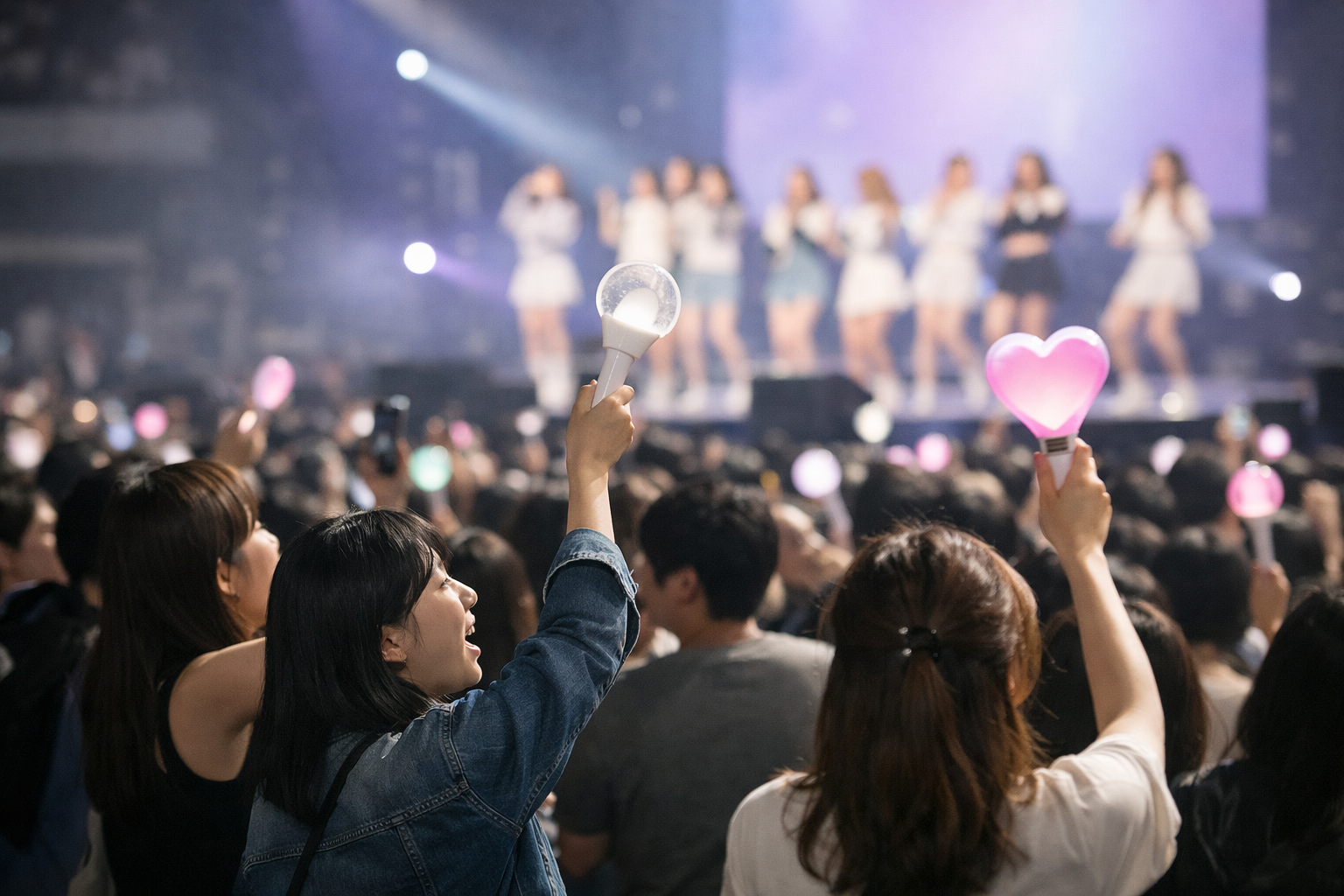
AI-Generated Photorealistic Image — All people, scenes, and details in this image are entirely AI-generated and fictional. Not a real photograph of an actual person or event. 이 이미지는 AI로 생성된 가상 이미지입니다.



Leave a Reply