Table of Contents
Can a phone call recording destroy a decades-long career overnight? That’s the question swirling around actor Hwang Jung-min this week. His agency just made a stunning claim: the person behind the privacy controversy isn’t a random troll. It’s an accused stalker.
Hwang Jung-min is one of Korea’s most respected actors, known for films like Hope. But right now, his name trends for a different reason. A controversy over leaked phone calls and private matters has put him under intense public scrutiny.
What Happened: The Hwang Jung-min Privacy Controversy Explained
On July 29, a wave of online posts claimed Hwang Jung-min had private phone conversations exposed to the public. These posts spread fast, sparking speculation about his personal life. Naturally, fans and media outlets scrambled for answers.
Hwang Jung-min’s agency, Sam Company, responded the same day through an official Instagram statement. The agency didn’t deny that some content existed. Instead, it reframed the entire story with one sharp claim: the author of these posts is a criminal suspect.
According to Sam Company, this individual has stalked Hwang Jung-min for an extended period. That detail changes everything about how we should read this controversy. Is this really a privacy scandal, or is it evidence of a crime against the actor himself?
The agency’s statement suggests the latter. Sam Company described the poster as someone who has “continuously harassed” Hwang Jung-min. That’s a serious accusation, and it shifts public sympathy in a new direction.
Stalking Crimes and Korea’s Entertainment Industry
Stalking isn’t a new problem in Korean celebrity culture. Idols, actors, and public figures have long dealt with obsessive fans who cross legal lines. But Korea only criminalized stalking as a standalone offense in 2021, under the Act on Punishment of Stalking Crimes.
Before that law, many stalking cases were treated as minor nuisances rather than serious crimes. Victims often had few legal tools to stop repeated harassment. Now, offenders can face real prison time, and courts have started taking these cases more seriously.
Still, enforcement remains uneven. Public figures like Hwang Jung-min face a unique challenge: their fame makes them targets, but it also makes their private lives fair game in the public eye. Where does legitimate public interest end and criminal harassment begin?
That question sits at the center of this controversy. If Sam Company’s claims hold up, this case could become a reference point for how Korea treats celebrity stalking. Public figures deserve privacy protections too, even when their jobs put them constantly in the spotlight.
Reports on entertainment law changes have been covered by outlets like Kyunghyang Shinmun, which has tracked how Korean celebrities navigate privacy disputes in recent years.
Sam Company’s Response: Legal Action Ahead
Sam Company didn’t stop at explaining the situation. The agency also signaled it plans to pursue legal action against the alleged stalker. This isn’t a soft warning — it’s a direct promise of consequences.
Why does this matter? Because agencies often stay quiet during scandals, hoping controversies fade on their own. Sam Company chose a different path this time, naming the accusation clearly and committing to a firm response.
That choice tells us something about how the agency views Hwang Jung-min’s situation. This isn’t damage control for a scandal. It’s protection for a client the agency believes is a victim, not a wrongdoer.
Legal experts often note that public statements like this can strengthen a future court case. By documenting the harassment pattern now, Sam Company may be building groundwork for prosecution. Hwang Jung-min’s team appears to be playing a long game here, not just managing headlines.
What This Means for Celebrity Privacy in Korea
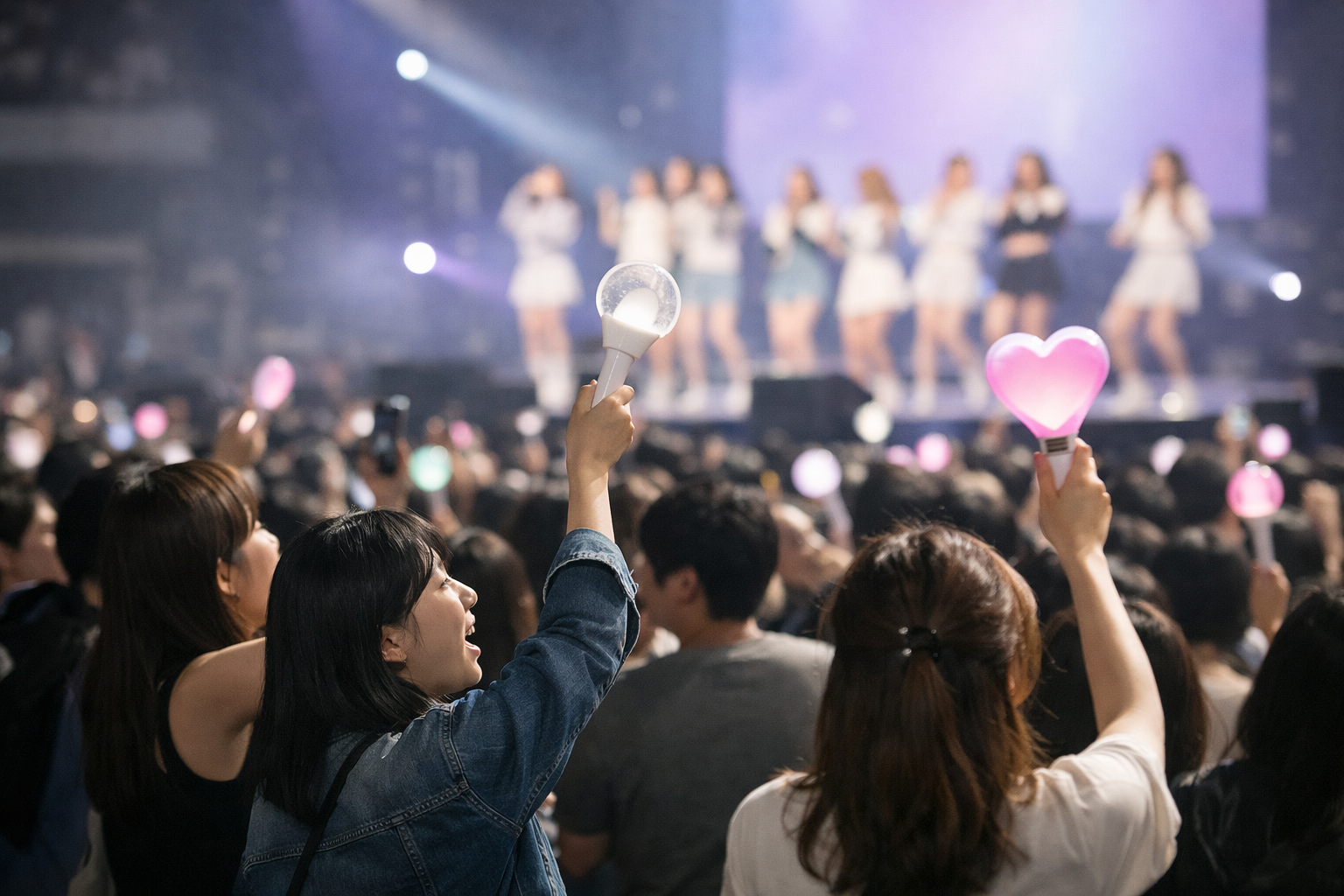
Here’s the bigger picture. Korea’s entertainment industry runs on intense fan devotion, and that devotion sometimes tips into obsession. Sasaeng culture — extreme fan behavior involving stalking, tracking, and invasive surveillance of stars — has plagued K-pop idols for years, and now it appears to touch veteran actors too.
We often celebrate the closeness between Korean stars and their fans. That bond fuels concerts, fan meetings, and a sense of shared community rarely seen elsewhere. But that same closeness can create dangerous blind spots, where obsessive attention gets mistaken for harmless devotion until it crosses into real harm.
Hwang Jung-min’s case reminds us that admiration has limits, and crossing those limits carries real consequences for real people. The hopeful sign is that Korea’s legal system, media, and agencies are responding differently than they used to. Stronger stalking laws, faster agency statements, and public willingness to believe victims all point toward a healthier balance between fan culture and personal safety.
For Hwang Jung-min, this moment is uncomfortable, but it may also mark a turning point. Cases like his often push lawmakers and platforms to tighten protections for public figures. If Sam Company follows through with legal action, this controversy could become less about scandal and more about accountability.
What happens next depends on the investigation into these malicious posts. But one thing seems clear already: Hwang Jung-min’s team isn’t backing down quietly. They’re choosing to fight the narrative with facts, not silence.
So where does this leave fans and observers watching from outside Korea? It’s a reminder that celebrity culture everywhere carries hidden risks behind the glamour. Do you think stronger anti-stalking laws would change how fans and public figures interact in your own country?
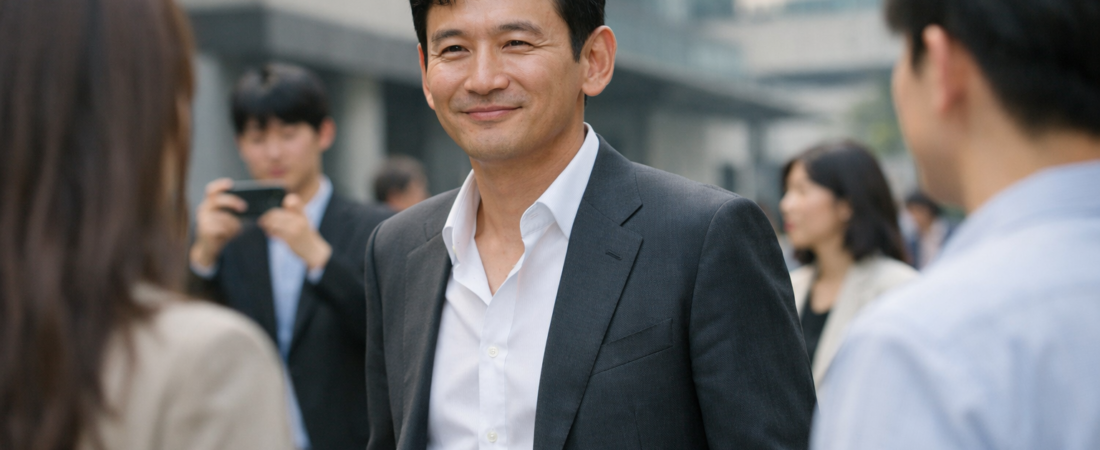
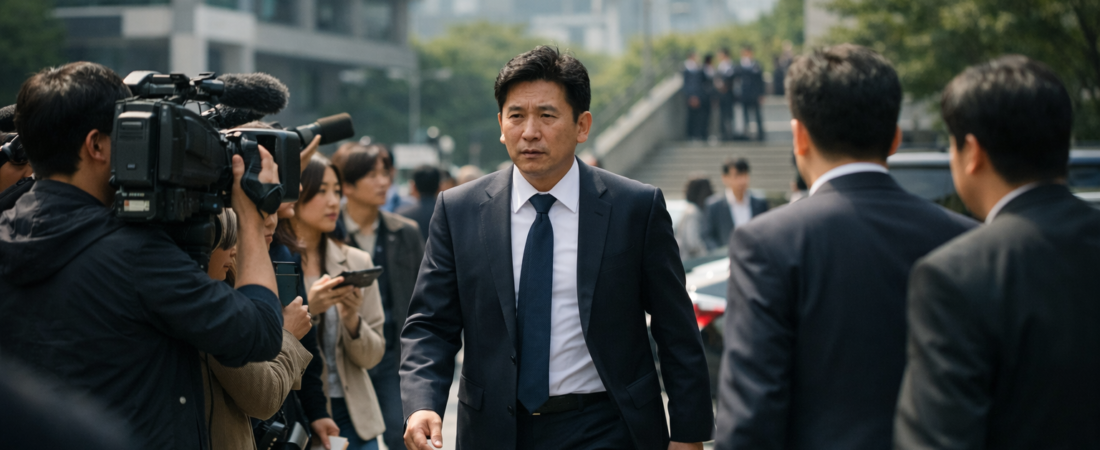
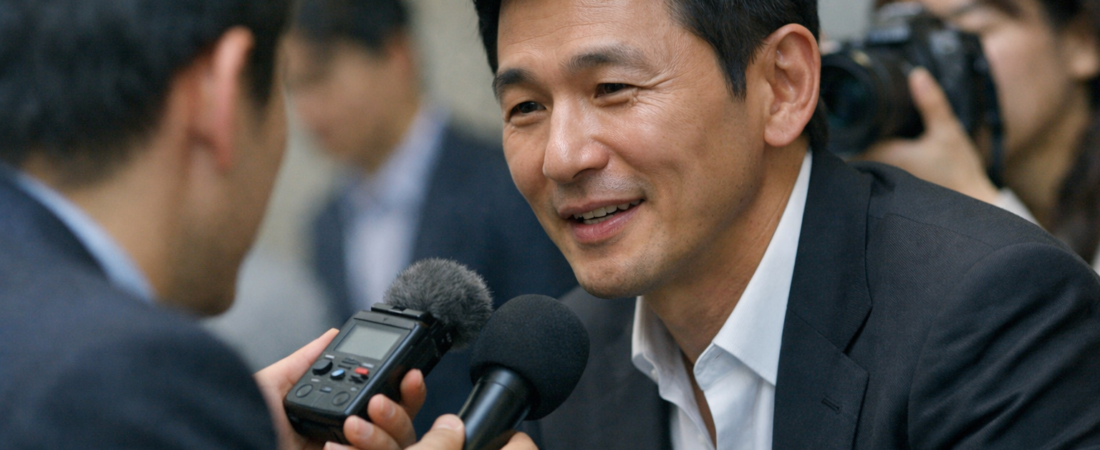
AI-Generated Photorealistic Image — All people, scenes, and details in this image are entirely AI-generated and fictional. Not a real photograph of an actual person or event. 이 이미지는 AI로 생성된 가상 이미지입니다.

Leave a Reply