
Table of Contents
Han Jung-soo Speaks Out Amid Market Chaos
Right now in Korea, everyone is talking about actor Han Jung-soo’s blunt criticism of the government. As of this week, his words are spreading fast across Korean social media. Why? Because he said out loud what many investors have been quietly fearing for days.
Han Jung-soo posted a sharp message on his social media account on July 29. He described the domestic stock market as feeling like “a war situation.” Circuit breakers had triggered repeatedly, and he wanted answers.
His frustration was not just about numbers on a screen. Han Jung-soo accused the government of turning the Korean stock market into “a playground for foreign investors.” That phrase alone has become the center of heated online discussion.
Under the administration of President Lee Jae-myung, economic anxiety has been building. Han Jung-soo’s comments landed at a moment when many ordinary investors already felt uneasy. Have you noticed how quickly a single public figure’s frustration can become a national conversation?
What Triggered the Circuit Breakers?
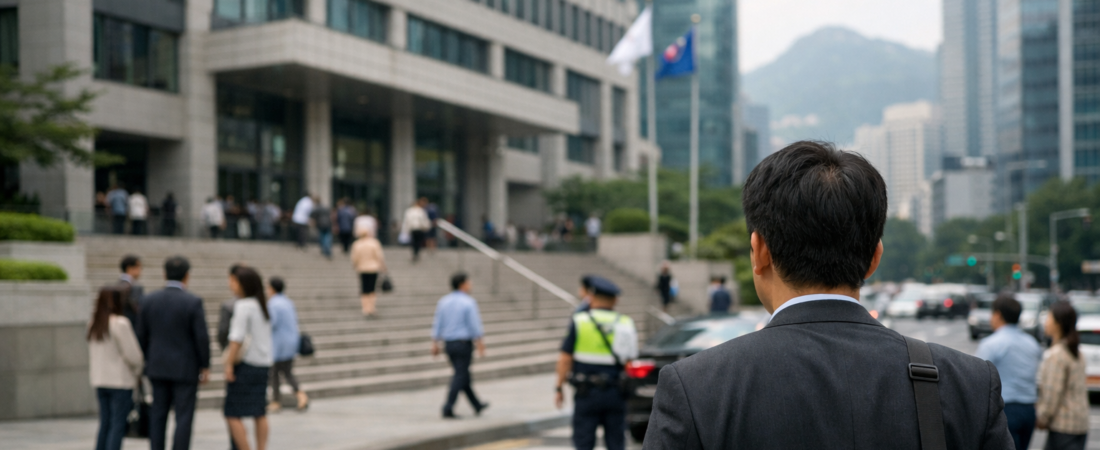
Let’s step back and look at what actually happened. Korea’s stock market experienced a sharp, sudden plunge in late July. Circuit breakers, the automatic trading halts designed to prevent panic selling, kicked in more than once during this stretch.
For readers outside Korea, circuit breakers might sound like a small technical detail. They are not. When a market triggers multiple circuit breakers in a short period, it signals real distress among investors.
Han Jung-soo’s core complaint centers on market structure. He argues that the current system favors foreign investors over domestic ones. Large foreign funds can move capital quickly, sometimes amplifying volatility, while everyday Korean investors feel like they are watching from the sidelines.
Is this criticism fair? Market structure debates are rarely simple, and economists disagree on how much foreign capital flow actually drives a crash versus domestic policy decisions or global economic pressure.
Still, Han Jung-soo’s frustration reflects something real. Retail investors in Korea have long felt that the rules favor bigger, faster players. According to Maeil Business Newspaper, his remarks specifically called out the government for “just watching” instead of acting.
That accusation, that officials are standing by passively, is the sharpest part of his statement. It directly challenges the Lee Jae-myung government’s handling of financial oversight during a volatile week.
Celebrity Voices in Korean Political Debate
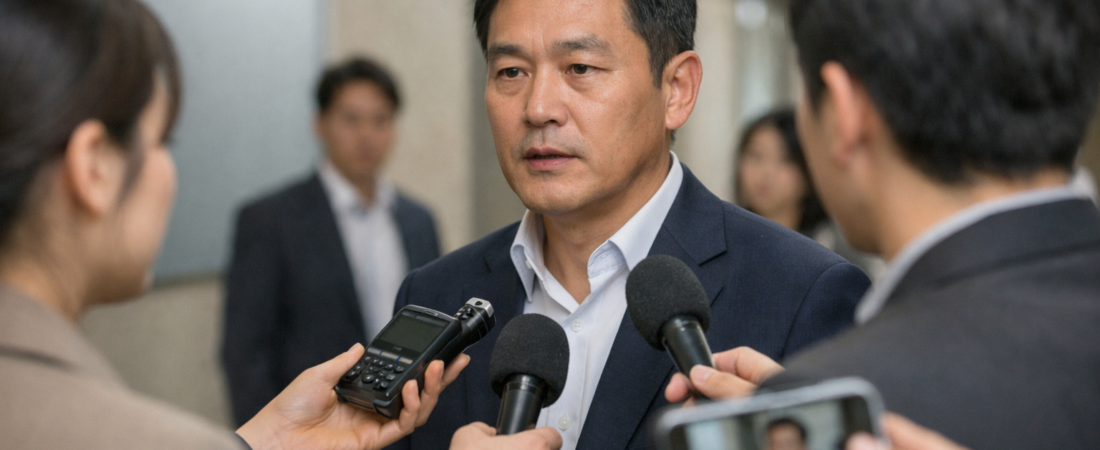
Korea has a long tradition of public figures speaking out on national issues. Actors, singers, and athletes often carry enormous cultural influence here. When someone like Han Jung-soo speaks up, millions of followers take notice within hours.
This is not entirely new. Korean celebrities have commented on everything from labor conditions to environmental policy over the years. But financial policy criticism, especially direct pushback against a sitting president’s administration, tends to generate a different level of intensity.
Why does this happen so quickly in Korea? Part of the answer lies in how connected Korean society is through mobile platforms and real-time news apps. A single post from Han Jung-soo can dominate trending topics before traditional media even finishes drafting a headline.
There is also a deeper cultural layer here. Korean audiences often expect public figures to use their platform responsibly, sometimes even expect them to speak for ordinary citizens who feel unheard. Han Jung-soo, whether intentionally or not, stepped into that role this week.
Public reaction has been divided, as it usually is with political commentary from entertainers. Some praised him for voicing frustration shared by retail investors nationwide. Others questioned whether an actor should weigh in on complex economic policy at all.
That tension itself tells us something important about Korea’s current moment. Economic anxiety has grown loud enough that even non-experts feel compelled to speak, and audiences are listening closely regardless of the speaker’s background.
What This Moment Reveals About Korea Right Now
So where does this leave things? Han Jung-soo’s comments arrive during a genuinely uncertain economic stretch for Korea. Stock market volatility, repeated circuit breakers, and public frustration with policy responses rarely resolve overnight.
The criticism aimed at the Lee Jae-myung government will likely continue for weeks. Financial policy debates move slowly, even when public anger moves fast. Expect more voices, both celebrity and expert, to weigh in as market conditions evolve.
It is worth being honest about the deeper issue Han Jung-soo pointed to. Market structures that favor large, fast-moving foreign capital over everyday retail investors are a legitimate concern, not just an emotional complaint. Regulatory reform in Korea’s capital markets has been discussed for years, often promised, and often delayed.
But frustration alone does not build a fairer system. What gives this moment real hope is that public pressure, like the kind Han Jung-soo just generated, has historically pushed Korean regulators toward concrete change, from short-selling rule adjustments to stronger disclosure requirements for foreign fund activity. Anger becomes useful when it turns into sustained public attention rather than a single viral post.
That is the balance worth holding onto here. Korean society is quick to voice pain, and that speed can feel chaotic or even unfair to those in power. Yet that same responsiveness is also what has repeatedly forced institutions, financial and political alike, to explain themselves publicly instead of quietly avoiding accountability.
For global readers, this story matters beyond Korea’s borders. Korea’s stock market is deeply tied to global supply chains, semiconductor production, and international investment flows. When Korean retail sentiment sours this sharply, ripple effects can reach portfolios and markets far outside Seoul.
Han Jung-soo may not be an economist, but his frustration reflects a question worth asking anywhere: who does a market actually serve? What do you think about Korea’s current market structure, and should public figures like Han Jung-soo be part of this economic conversation?
AI-Generated Photorealistic Image — All people, scenes, and details in this image are entirely AI-generated and fictional. Not a real photograph of an actual person or event. 이 이미지는 AI로 생성된 가상 이미지입니다.

Leave a Reply