
Table of Contents
The Yen Rebound: Why the Won-Yen Exchange Rate Matters
Have you checked the exchange rate before booking your next trip to Japan? If not, now might be a good time to start. The Japanese yen just made a notable comeback, and it changes the math for anyone planning a trip across the strait.
On July 31, the yen traded at 917.6 won per 100 yen in the Seoul foreign exchange market. That means the yen has climbed back into the 900-won range for the first time in a while. This shift matters more than it might seem at first glance.
A stronger yen makes everything priced in Japanese currency more expensive for Korean travelers. Hotel rooms, train tickets, restaurant meals — all of it costs more won than it did just weeks ago. Understanding why this happened helps you plan smarter, whether you are booking flights or simply watching your savings.
Behind the Yen’s Strength: US-Japan Coordinated Intervention

Why did the yen suddenly gain strength? The short answer is coordinated market intervention. The United States and Japan appear to have acted together to support the yen, and markets responded quickly.
For years, the yen sat in a weak position against major currencies, including the Korean won. Japan’s central bank kept interest rates low while other countries raised theirs, and that gap pushed money away from yen-denominated assets. A weak yen made Japan a bargain destination, and Korean tourists noticed.
Now, that trend appears to be reversing, at least for the moment. Coordinated intervention is not a small move — it signals that policymakers see real risk in letting a currency slide too far. When two major economies act together like this, markets tend to listen, and exchange rates can shift fast.
This kind of intervention is not new in currency history, and readers curious about how these interventions typically unfold can find useful background from Maeil Business Newspaper (Maeil Kyungjae). Central banks rarely announce these moves in advance. Instead, the effects simply show up in daily trading data, the way they did on July 31.
How a Stronger Yen Affects Japan Travel Costs
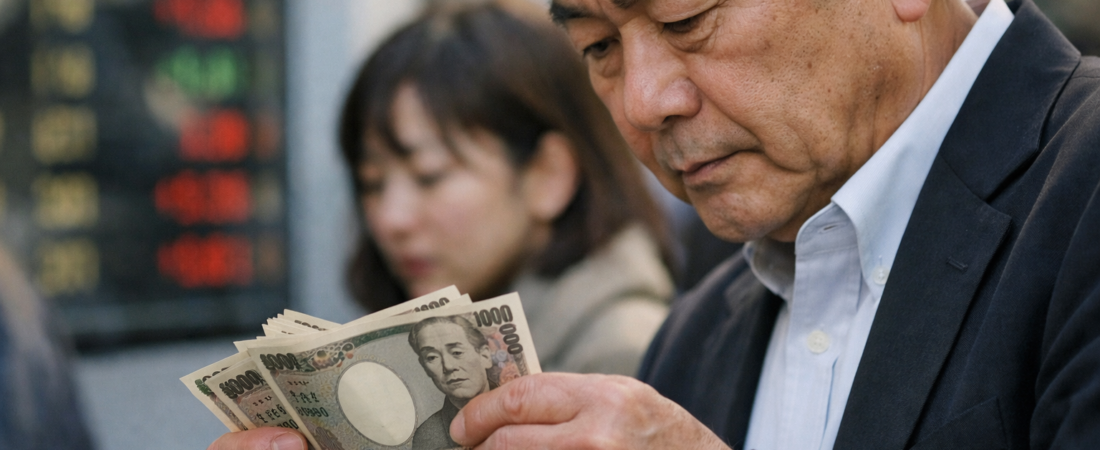
So what does a stronger yen actually mean for your travel budget? Simple: your won buys less than it did a month ago. If you locked in flights when the yen was weak, you may have dodged the worst of it, but hotels and spending money booked now will cost more.
Japan has been one of the most popular overseas destinations for Korean travelers in recent years. Cheap flights, a weak yen, and easy visa access turned short getaways to Osaka or Fukuoka into a regular weekend habit for many. Some travelers went so often that frequent-flyer apps practically knew their order at their favorite ramen shop.
That equation changes as the yen exchange rate climbs back toward 900 won per 100 yen. A trip that cost 500,000 won in spending money last spring could now require noticeably more won to cover the same yen amount. This is not catastrophic, but it adds up over a multi-day trip.
Shopping, in particular, feels the pinch quickly. Duty-free purchases, cosmetics, and electronics — all popular buys among Korean tourists in Japan — become less of a bargain as the yen strengthens. Travelers who budgeted based on last year’s exchange rate should recheck their numbers before departure.
What Comes Next for the Yen and Your Wallet
Will this yen strength last? That is the question everyone with a Japan trip on the calendar wants answered. Currency markets rarely move in a straight line, and coordinated interventions can fade in effect once the initial shock wears off.
Still, the direction matters. If this yen appreciation holds for months rather than weeks, travel agencies, airlines, and everyday tourists will need to adjust. Korean outbound travel to Japan has been a bright spot for the tourism industry, and a sustained shift in the exchange rate could cool that momentum.
There is a deeper pattern worth sitting with here. Currency swings like this reveal how connected ordinary lives are to decisions made far above them, in central bank meetings most people never see. That can feel unsettling — your vacation budget shouldn’t depend on policy moves in Washington and Tokyo, yet it does.
But there is also something steadying in this pattern. Markets that overcorrect eventually find balance again, and travelers have always adapted — choosing different destinations, adjusting trip length, or simply waiting for better timing. The same interconnected world that makes your won vulnerable to a stronger yen also gives you real information, in real time, to make better choices rather than guessing blind.
For now, the smartest move is simply staying informed. Check the yen exchange rate before you book, before you exchange cash, and again before you spend abroad. A little awareness goes a long way when currencies like the yen are on the move.
Exchange rates will keep shifting — that is simply what currencies do. What matters is how prepared you are when they do. Do you think this yen rebound will hold through the rest of 2026, or is it a temporary correction before the weak-yen era returns?
AI-Generated Photorealistic Image — All people, scenes, and details in this image are entirely AI-generated and fictional. Not a real photograph of an actual person or event. 이 이미지는 AI로 생성된 가상 이미지입니다.




Leave a Reply