Table of Contents
Can a football coach’s job interview turn into a criminal case? For Hong Myung-bo, that question is no longer hypothetical.
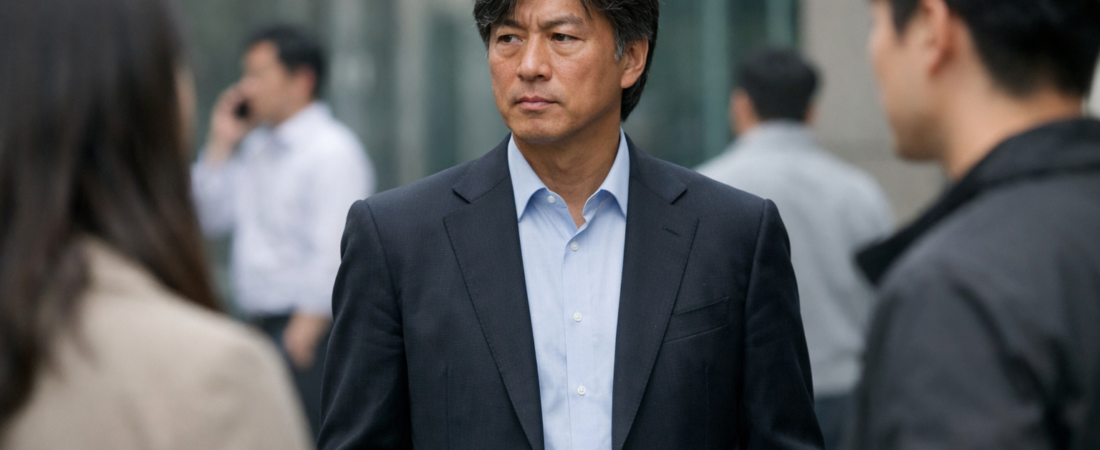
South Korean police have summoned Hong Myung-bo, the former national team head coach, as a suspect in an investigation into how he got the job in the first place. The summons was kept undisclosed, meaning reporters and cameras were not waiting outside the police station door. But the news still traveled fast, because Hong Myung-bo is one of the most recognizable names in Korean soccer.
This case centers on whether the Korea Football Association, widely known as the KFA, improperly influenced the selection process that put Hong Myung-bo in charge of the national team. Let’s break down what investigators are looking at, why it matters, and where this story is likely headed.
Police Summon Hong Myung-bo as a Suspect
According to Yonhap News Agency, police called in Hong Myung-bo for questioning as a criminal suspect, not merely as a witness. That distinction matters a lot in Korean legal procedure. A witness answers questions to help investigators understand a situation, but a suspect faces the possibility of formal charges.
The summons was handled quietly, without public notice beforehand. Why would police choose that approach? Undisclosed summonses are often used in Korea when investigators want to avoid a media circus that could pressure witnesses or tip off other parties before their own questioning.
Investigators are reportedly focused on confirming the actual facts behind the coach selection process and gathering statements from people connected to it. That includes checking whether the KFA’s technical committee followed its own procedures, or whether outside pressure shaped the outcome. Hong Myung-bo, as the person who ultimately got the job, sits right at the center of that inquiry.
This move signals that the investigation, which has been running for months, is now picking up speed. Calling the former coach in as a suspect, rather than simply requesting documents, suggests police believe they have enough groundwork to press him directly. That is a meaningful shift from earlier stages of the case.
The Coach Selection Controversy Behind the Case
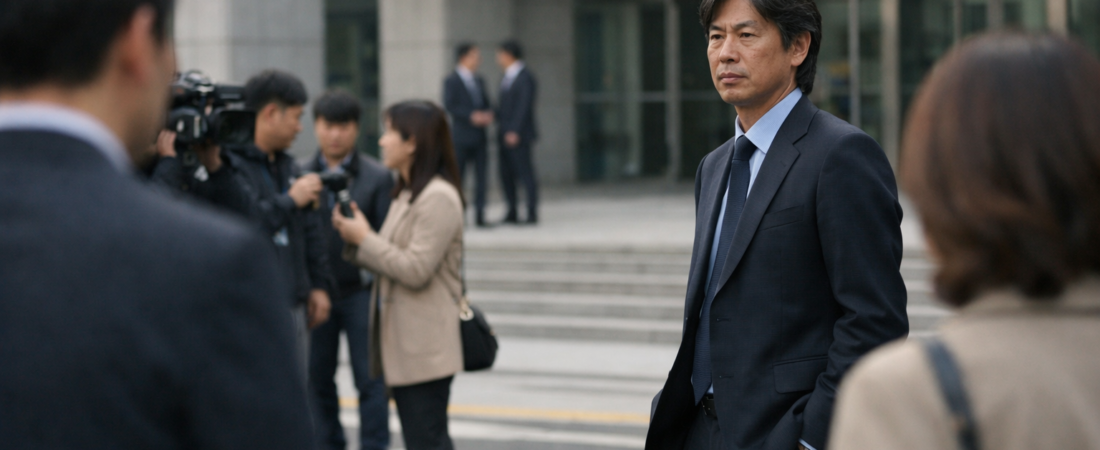
To understand why police are investigating Hong Myung-bo, you need to go back to how he became national team head coach. The process that led to his appointment drew heavy criticism from fans, lawmakers, and football insiders alike.
Critics argued that the KFA’s technical committee did not run a fair or transparent search before choosing Hong Myung-bo. Some pointed out that other candidates were reportedly considered on paper, only for the process to circle back to a familiar face already inside the federation’s inner circle. Does that sound like a real competition, or a decision made in advance and dressed up as one afterward?
The backlash grew large enough to reach the National Assembly, where lawmakers questioned KFA officials about the process in a public hearing. Fans who had watched Korea’s national team stumble through recent tournaments felt the federation owed them a genuinely open selection, not a closed-door choice. That public frustration is part of why prosecutors and police eventually opened a formal investigation into possible improper interference.
Korean soccer carries enormous cultural weight, and the national team coach is treated almost like a public office. When people suspect that office was filled through backroom dealing rather than merit, trust erodes fast. This is the backdrop against which Hong Myung-bo now finds himself facing police questioning as a suspect.
Why This Investigation Matters for Korean Football

You might wonder why a coaching appointment deserves a criminal investigation at all. Isn’t hiring a coach just a private organizational decision?
The KFA, however, is not a purely private company. It receives significant government support and operates under public interest obligations, since it governs the sport that represents the country on the world stage. When public funds and national representation are involved, the line between “internal personnel decision” and “matter of public concern” gets blurry fast.
If investigators find that KFA officials manipulated the process to favor Hong Myung-bo, that would point to a deeper governance problem inside Korean football’s top body. It would suggest that even major decisions, like who leads the national team, can be steered by influence rather than open competition. That possibility troubles fans far beyond just this one appointment.
On the other hand, if the investigation clears Hong Myung-bo and the KFA of wrongdoing, it would help restore some confidence in the federation’s decision-making. Either outcome carries weight for how Korean soccer organizes itself going forward. This is precisely why the police investigation into Hong Myung-bo’s appointment has drawn sustained attention from sports journalists and the general public alike.
There is also a broader question about accountability in Korean sports administration generally. Football is hardly the only federation that has faced questions about insider influence over major appointments. A thorough, credible investigation into the Hong Myung-bo case could set a precedent for how future disputes over sports leadership are handled.
What Comes Next for Hong Myung-bo and the KFA
So where does this leave Hong Myung-bo right now? As a suspect, he faces continued questioning, and investigators will keep gathering statements from others connected to the selection process.
Police have not announced a timeline for concluding the case. Given that they just escalated to summoning Hong Myung-bo directly, though, most observers expect the investigation to move toward some kind of resolution within the coming months rather than dragging on indefinitely. Will that resolution bring formal charges, or will it end without them? That remains the central question hanging over Korean football right now.
For the KFA, this investigation adds to an already difficult stretch. The federation has faced criticism over team performance, administrative transparency, and now a criminal probe touching its own leadership decisions. Rebuilding public trust will take more than winning matches; it will require the federation to show it can run its own house fairly.
For Hong Myung-bo personally, the stakes go beyond his coaching career. A criminal investigation, even one conducted quietly, can shadow a public figure’s reputation regardless of the eventual outcome. Korean sports fans tend to remember these episodes for years, especially when they involve someone as prominent as Hong Myung-bo.
Korean football has weathered controversies before, from disputed refereeing decisions to disputes over youth development funding. What makes this case different is that it strikes directly at how leadership itself gets chosen. As the investigation into Hong Myung-bo continues, it will likely shape how the next national team coach, whoever that turns out to be, gets selected.
What do you think about how Korea’s football federation should handle major coaching decisions going forward?
AI-Generated Photorealistic Image — All people, scenes, and details in this image are entirely AI-generated and fictional. Not a real photograph of an actual person or event. 이 이미지는 AI로 생성된 가상 이미지입니다.

Leave a Reply