Table of Contents
Summer 2026’s Boy Group Comeback Battle Heats Up
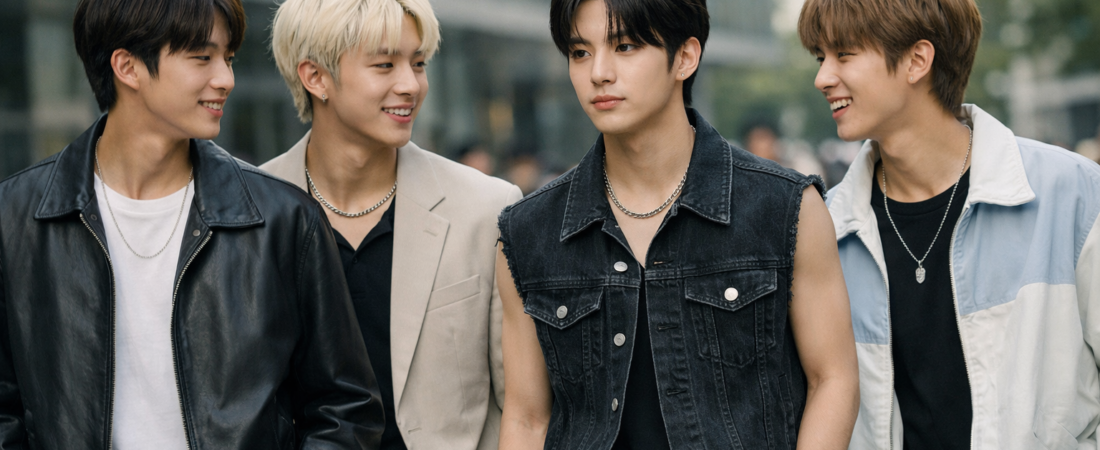
Ever wonder why late summer feels like a battlefield for K-pop fans? This year, the answer is simple: every major boy group agency decided to release music at almost the same time.
Stray Kids, ENHYPEN, and NCT 127 are all returning within weeks of each other. Even BIGBANG’s name is back in the conversation, stirring nostalgia across generations of fans.
This is not a small coincidence. It’s a full-scale boy group comeback war, and you can feel the industry holding its breath.
According to Maeil Business Newspaper, four of Korea’s biggest entertainment companies are pushing their flagship boy groups into the market at once. That’s a bold, almost risky move. Why would companies compete head-on instead of spacing out release dates?
The answer lies in confidence. Each label believes its group has something distinct enough to stand out, even in a crowded field. Calling it a “comeback war” almost undersells it — this feels less like a battle and more like a K-pop decathlon, minus the medals but with just as many limited-edition photocards.
Stray Kids, ENHYPEN, NCT 127: Three Different Weapons
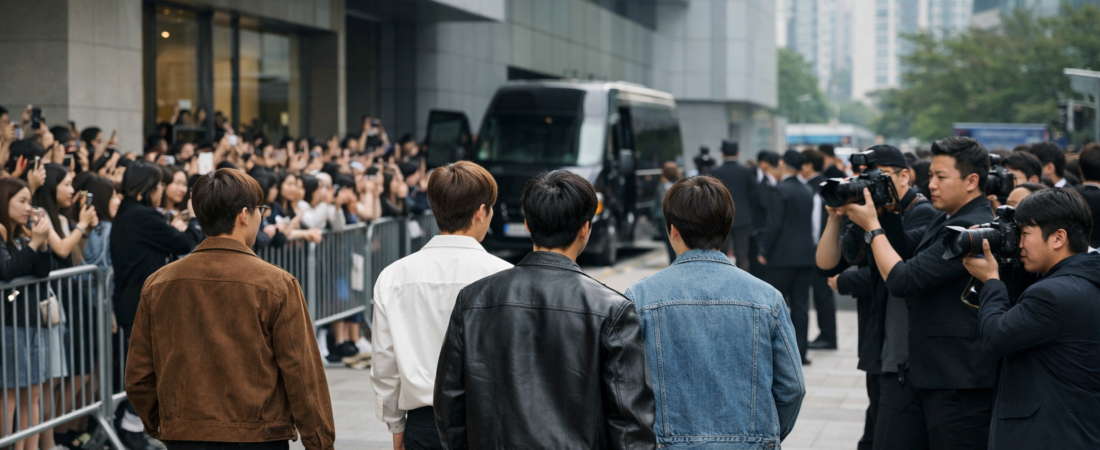
Each boy group in this comeback wave is playing a different game. Stray Kids leans into raw, unapologetic confidence. Their sound and image scream self-assurance, almost daring listeners to look away.
ENHYPEN takes the opposite approach. Their comeback focuses on tight storytelling and mature emotion, built around a narrative that unfolds slowly across songs and music videos.
This is not new for ENHYPEN. Since their debut, the group has built a reputation for treating each release like a chapter in a longer story, rewarding fans who pay close attention.
NCT 127 brings yet another flavor to this boy group lineup. Known for sharp choreography and a more experimental sound, the group targets fans who want something unpredictable rather than familiar.
So which strategy wins? That’s the wrong question, honestly.
Each boy group is targeting a slightly different slice of the fandom. Confidence, narrative depth, and experimentation are three separate doors into the same room. The real competition isn’t about defeating each other — it’s about capturing attention in an industry where comebacks are announced almost every week.
Why BIGBANG’s Name Still Shakes the Industry
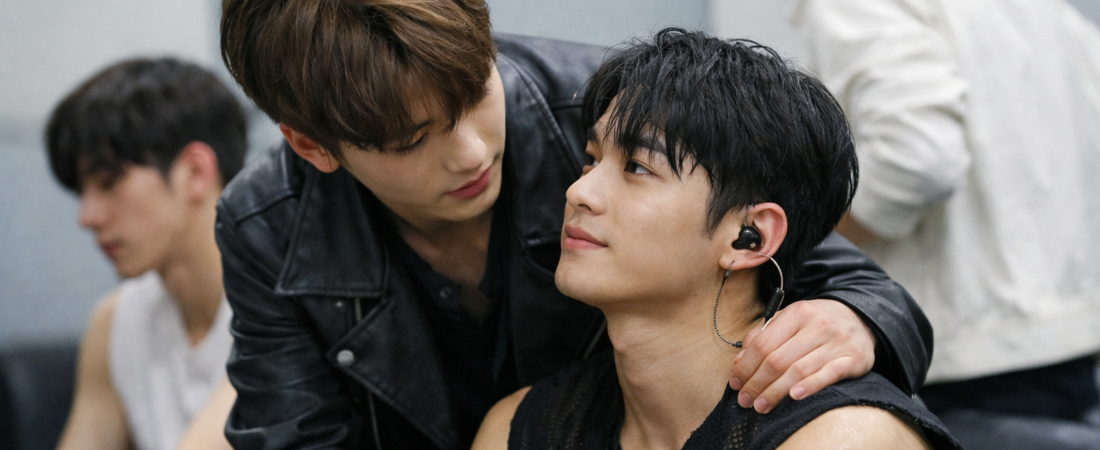
Here’s something worth sitting with: BIGBANG debuted back in 2006, nearly two decades ago. Yet their name still shows up whenever the industry talks about boy group comebacks.
Why does a second-generation group still matter this much? Because BIGBANG helped define what a K-pop boy group could be on a global stage, long before the current wave of agencies existed in their present form.
Their influence shaped how YG Entertainment, one of Korea’s four major labels, approaches group concepts even today. When BIGBANG’s name gets mentioned alongside Stray Kids, ENHYPEN, and NCT 127, it signals something bigger than nostalgia.
It shows that the boy group format itself has staying power across generations. Younger fans discover BIGBANG through streaming and reissues, while older fans who grew up with the group stay loyal for decades.
This kind of cross-generational pull is rare in most music industries worldwide. Few Western boy bands from the mid-2000s could headline conversations alongside today’s biggest new releases.
Korea’s system of long-term artist development, built around trainee programs and dedicated fan communities, helps explain why. It’s a structure most Western labels still don’t fully replicate.
What This Boy Group Wave Means for K-pop’s Future
So what does this crowded comeback season really tell you about K-pop right now? It tells you the boy group format is far from tired.
If anything, competition is pushing labels to sharpen their identities rather than copy each other. That’s a healthy sign for an industry often accused of formula over creativity.
But let’s be honest about the other side of this story. Constant comebacks demand relentless schedules from idols, and fandom competition can turn into pressure rather than pure celebration.
The same intensity that produces breathtaking performances can also wear down the people behind them, and the same passionate fan bases that lift groups up can sometimes turn rivalry into hostility online.
Yet there’s real hope embedded in this picture too. Many agencies now openly discuss idol rest periods, mental health support, and more sustainable comeback cycles than a decade ago.
Fans themselves increasingly call out toxic behavior within their own communities, pushing for healthier ways to support the artists they love. Growth rarely happens without friction, and this industry seems to be learning that lesson slowly but genuinely.
Looking ahead, this boy group comeback battle is likely a preview of things to come. As more agencies globalize their rosters and fanbases, simultaneous releases may become the norm rather than the exception.
That means more choice for listeners, but also more noise to sort through. What do you think — does this kind of crowded comeback season help boy groups shine, or does it risk burning fans out before the songs even settle in?
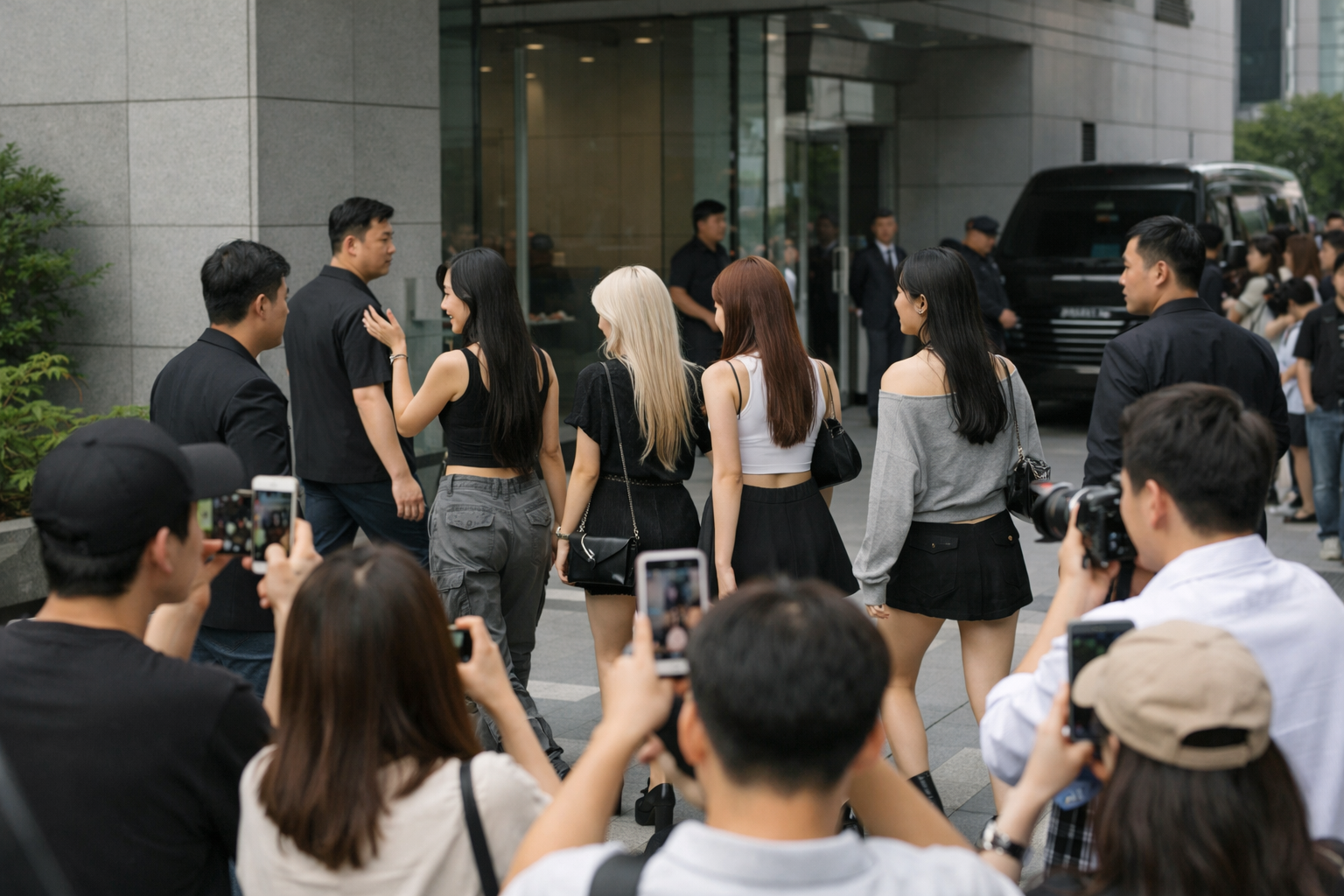
AI-Generated Photorealistic Image — All people, scenes, and details in this image are entirely AI-generated and fictional. Not a real photograph of an actual person or event. 이 이미지는 AI로 생성된 가상 이미지입니다.



Leave a Reply