
Table of Contents
BLACKPINK’s 10th Anniversary Trends Across Korea Right Now
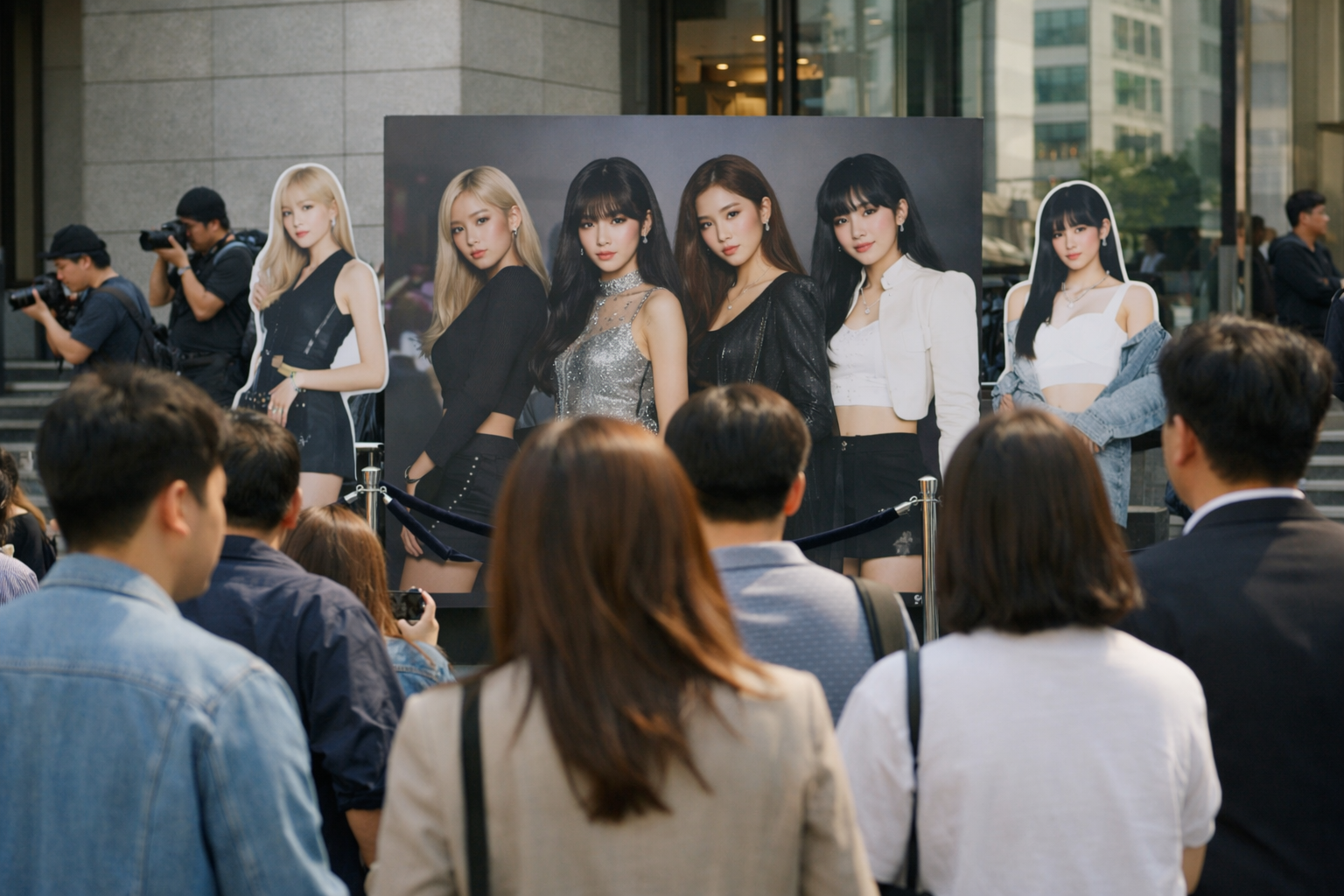
Right now in Korea, everyone is talking about BLACKPINK. The group just marked its 10th anniversary with a special event at the National Museum of Korea, and social media has not stopped buzzing since. Ten years already? For many fans, it feels like BLACKPINK debuted just yesterday.
The event brought together forty lucky fans for an intimate meet-and-greet. Getting one of those forty spots was probably harder than getting into some universities. This small detail says a lot about how massive BLACKPINK’s fandom has become since 2016.
Why does a museum event matter so much? Because it symbolizes something bigger than a simple celebration. BLACKPINK chose a national cultural institution, not just a concert stadium, to mark this milestone, and that choice tells you how deeply the group’s identity is now tied to Korean cultural pride.
This is not just another idol anniversary. This is a moment when Korea pauses to recognize a group that changed how the world sees K-pop. You can feel that recognition in every headline this week.
From Debut to Global Domination: A Decade of BLACKPINK

BLACKPINK debuted in 2016 under YG Entertainment, with four members: Jisoo, Jennie, Rosé, and Lisa. Back then, few could have predicted just how far this group would travel. Ten years later, BLACKPINK has become a household name from Seoul to Los Angeles.
Think about what the group has actually accomplished. BLACKPINK charted on the Billboard Hot 100, sold out stadiums across multiple continents, and became the first girl group to headline Coachella. Numbers like these do not happen by accident.
But music was only the beginning. BLACKPINK’s influence quickly spread into fashion and beauty, two industries that rarely embrace K-pop acts this fully. Each member became a global ambassador for luxury brands, turning red carpets into extensions of their stage presence.
You could say BLACKPINK built a business empire, not just a discography. Their collaborations with cosmetics companies and fashion houses generated real cultural influence, not just marketing buzz. That is a rare achievement for any music group, Korean or otherwise.
How did four members manage to reshape three different industries at once? The answer lies in consistency. BLACKPINK maintained a distinct visual identity, a confident sound, and a global promotion strategy that never wavered over ten years.
Why BLACKPINK Became the Face of the Global Girl Group

Ask any casual music fan outside Korea to name a K-pop girl group, and BLACKPINK is likely the first answer. That is not a small thing. Plenty of talented groups exist, yet BLACKPINK claimed the title of representative icon for the entire genre.
Part of this comes from timing. BLACKPINK debuted right as global streaming platforms were reshaping how music spreads across borders. Their sound, described by many critics as “girl crush,” felt fresh and confident, appealing to listeners who wanted something bolder than typical pop.
Part of it also comes from strategy. YG Entertainment positioned BLACKPINK for international markets early, releasing English-language singles and touring aggressively outside Korea. You can see the results in their fan base, which spans dozens of countries rather than concentrating in one region.
According to Maeil Business Newspaper, this week’s anniversary event highlighted exactly this global symbolism. The report described BLACKPINK as the representative icon of girl groups worldwide, not just within Korea’s own industry. That framing matters, because it shows how Korean media itself now measures BLACKPINK’s success on a global, not domestic, scale.
Is there a downside to becoming this kind of global symbol? Certainly, there is one worth naming honestly. The same visibility that brings BLACKPINK worldwide adoration also brings relentless scrutiny, packed schedules, and little room for the members to simply live outside the spotlight.
Yet alongside that pressure sits something genuinely hopeful. BLACKPINK’s global fandom, often called BLINK, has organized charity drives, disaster relief donations, and community projects in the group’s name across multiple countries. Fame at this scale carries real weight, but it also creates real opportunities for connection and generosity that smaller platforms simply cannot offer.
What BLACKPINK’s Legacy Means for K-pop’s Future
So where does BLACKPINK go from here? Ten years is a long career in an industry known for short idol lifespans. Yet BLACKPINK shows no sign of slowing down, and their anniversary event felt more like a new chapter than a farewell.
For younger K-pop groups debuting today, BLACKPINK offers a blueprint. Combine strong musicianship with fashion and beauty crossover appeal, invest early in international markets, and maintain a consistent identity over many years. That formula, proven over a decade, will likely shape how agencies plan their next global girl groups.
For global readers who do not follow Korean entertainment closely, this trending anniversary might seem like a small local story. It is not. BLACKPINK’s ten-year milestone reflects how thoroughly Korean culture has embedded itself into global fashion, music charts, and beauty trends over the last decade.
Understanding BLACKPINK’s rise helps you understand something larger about Korea’s cultural export strategy overall. This is not accidental soft power. It is the result of deliberate, sustained investment in artists who can cross borders comfortably, and BLACKPINK stands as the clearest proof that this strategy works.
What do you think about BLACKPINK’s journey from a 2016 debut to becoming the defining face of global girl groups?
AI-Generated Photorealistic Image — All people, scenes, and details in this image are entirely AI-generated and fictional. Not a real photograph of an actual person or event. 이 이미지는 AI로 생성된 가상 이미지입니다.


Leave a Reply