
Table of Contents
Can 35,000 people scream the same lyrics in perfect unison? Ask anyone who was at Gocheok Sky Dome this past weekend, and you’ll get a breathless yes. aespa just proved something big about the future of K-pop, and you should pay attention.
The SM Entertainment group held its first-ever solo concert at Gocheok Sky Dome in Seoul on August 7 and 8. This wasn’t just another tour stop.
It marked the opening night of aespa’s fourth world tour, and the numbers tell you everything you need to know about their growing pull.
aespa Fills Gocheok Sky Dome for the First Time
Gocheok Sky Dome isn’t your average concert venue. It’s Korea’s only domed baseball stadium, built for crowds far bigger than most K-pop acts ever fill.
So when aespa announced a two-night stand there, fans wondered if the group could actually pack the place. They did — 35,000 tickets sold across both nights, according to reports.
That’s not a small feat for a group that debuted only a few years ago. Filling a dome-sized venue usually takes an artist with years of stadium-ready hits behind them.
aespa managed it while still expanding its catalog and its global fan base at the same time. Think of it like graduating from a school gym to a football stadium in record time — the leap in scale changes everything about how a show gets planned.
Staging, sound, and choreography all have to grow to match the space. A crowd of 35,000 doesn’t just mean more seats; it means a completely different kind of production challenge.
That the group pulled this off on home turf, in Seoul, adds another layer of meaning. Korean fans got to witness firsthand what international audiences have been experiencing throughout aespa’s rise.
Inside aespa’s Fourth World Tour Launch
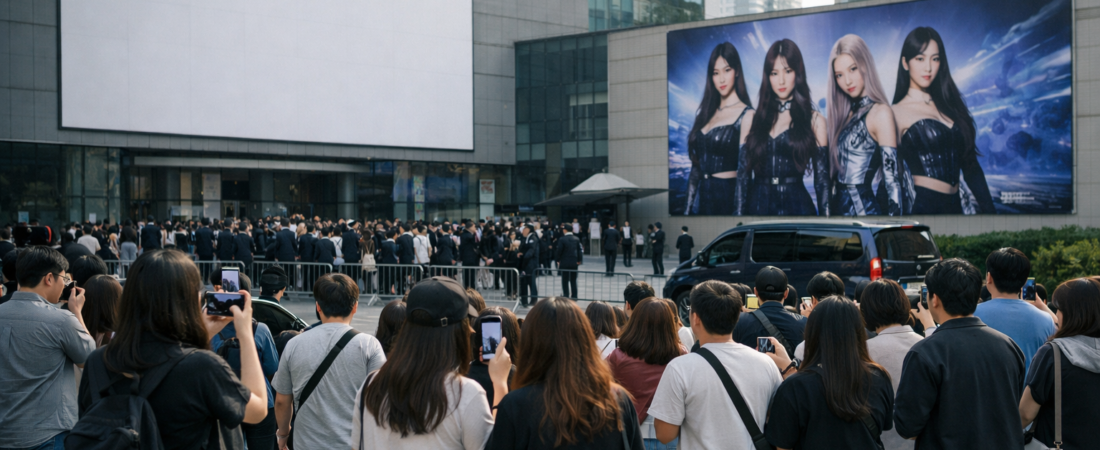
This Gocheok Sky Dome concert wasn’t a standalone event. It served as the official kickoff for aespa’s fourth world tour, a milestone that speaks to remarkable consistency.
Four world tours in a relatively short career is no small accomplishment. It shows a group that keeps building momentum rather than coasting on early success.
Why does tour frequency matter so much in K-pop? Because touring is where a group’s real connection with fans gets tested, far away from music show stages and studio-controlled performances.
A world tour forces a group to prove itself night after night, in different cities, in front of audiences who paid real money and often traveled far to be there. aespa choosing to open this fourth run with its biggest domestic show yet sends a clear signal.
The group and its label see Korea not as a warm-up market, but as a stage worthy of the tour’s grandest opening night. That choice reflects confidence — and also respect for the fans who supported aespa from the very beginning.
You could call it a homecoming before the group even left home. The tour will reportedly carry aespa across multiple countries in the coming months, extending the reach that this Seoul launch established.
Why Stadium Concerts Signal a New Era for K-pop aespa

Stadium and dome-level concerts used to be reserved for a handful of legacy K-pop acts. Groups needed a decade or more of hits before venues that size made financial sense.
aespa’s Gocheok Sky Dome show challenges that old timeline. It suggests that a group can reach arena-topping status much faster than industry norms once suggested.
Is this a sign that K-pop’s growth curve is simply speeding up? The evidence points that way, especially for groups backed by major agencies with strong global distribution and social media reach.
SM Entertainment has invested heavily in aespa’s international presence since debut, pairing music releases with coordinated global promotion. That groundwork appears to be paying off in ticket sales that rival much more veteran acts.
For industry watchers, this concert becomes a case study in how quickly a modern K-pop group can scale up. You can read more detailed coverage of the concert and tour details from Maeil Business Newspaper, which reported on the full scope of the two-night event.
The broader lesson here isn’t just about one group’s success. It’s about how the entire K-pop touring model is shifting toward bigger venues, bigger production budgets, and bigger audience expectations, all happening faster than before.
What This Moment Means for Global Fans
Why should someone outside Korea care about a dome show in Seoul? Because moments like this reveal something honest about what fandom has become in the streaming era.
A crowd of 35,000 doesn’t happen by accident. It happens because fans across continents, not just in Korea, felt invested enough in aespa’s story to make this launch a global event in spirit, even before the tour physically reaches their cities.
There is something genuinely moving about that kind of shared devotion. Watching thousands of strangers sing the same chorus together, in one dome, reminds you that community can form around something as simple as a song and a stage.
But that same intensity carries a weight worth naming honestly. The relentless pace of world tours, back-to-back releases, and constant public visibility places real strain on idols, who are, after all, young people carrying enormous expectations on their shoulders.
Fans, too, sometimes stretch their finances and schedules thin chasing tickets and merchandise across a tour’s many stops. The encouraging part is that this tension is no longer ignored the way it once was.
More agencies are now building in rest periods, mental health resources, and healthier release schedules, while fan communities increasingly discuss sustainable support over exhausting devotion. That shift doesn’t erase the pressure, but it does point toward a more balanced path forward for everyone involved.
Where does aespa go from here? If this Gocheok Sky Dome launch is any indication, the answer is simple: bigger stages, wider audiences, and a touring schedule that keeps testing how far a modern K-pop group can climb.
The fourth world tour has only just begun, and the group’s willingness to open with its most ambitious domestic show yet suggests real confidence in what comes next. What do you think — does this kind of rapid stadium-level growth reflect genuine artistic connection, or is it simply smart industry strategy dressed up as fandom passion?
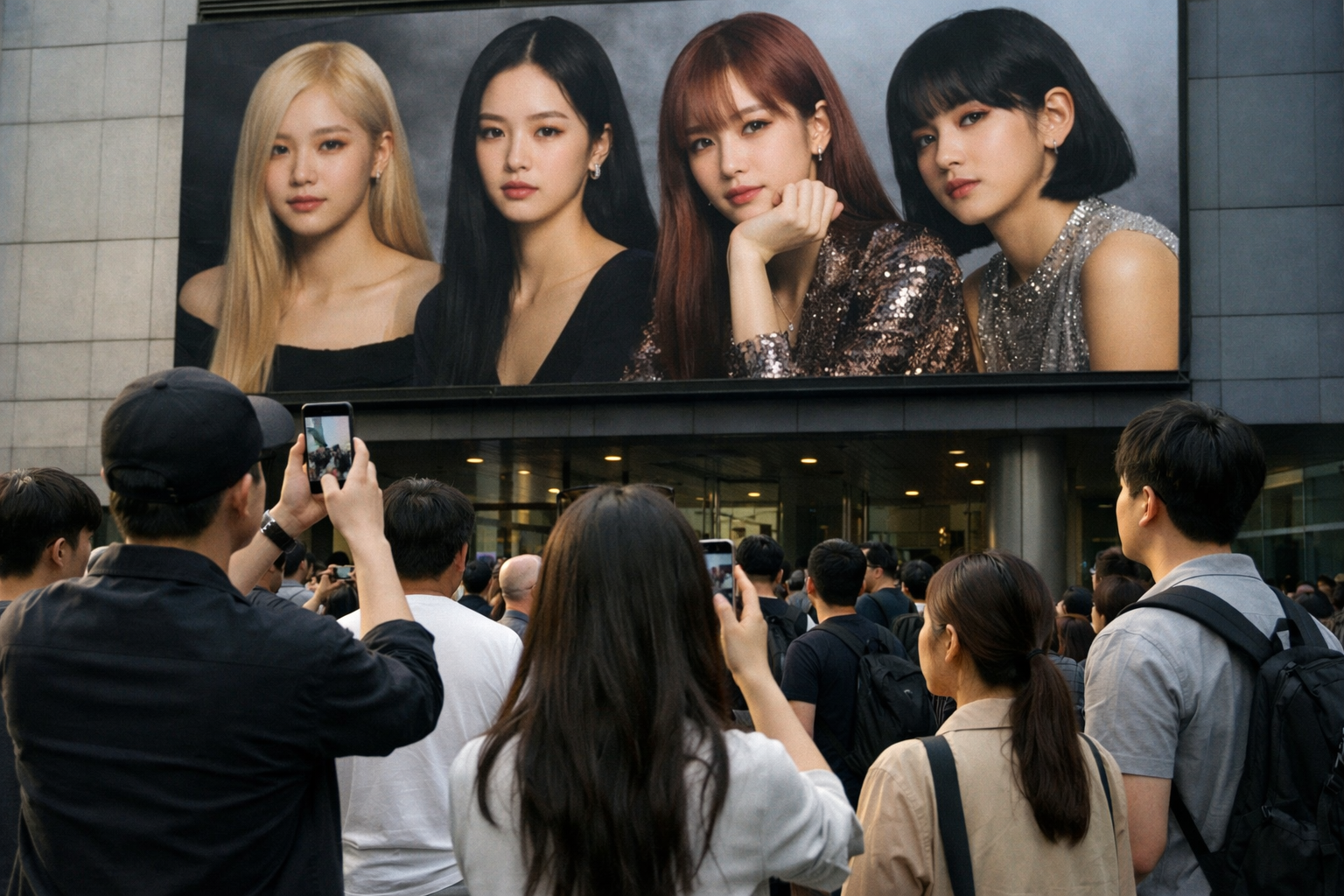
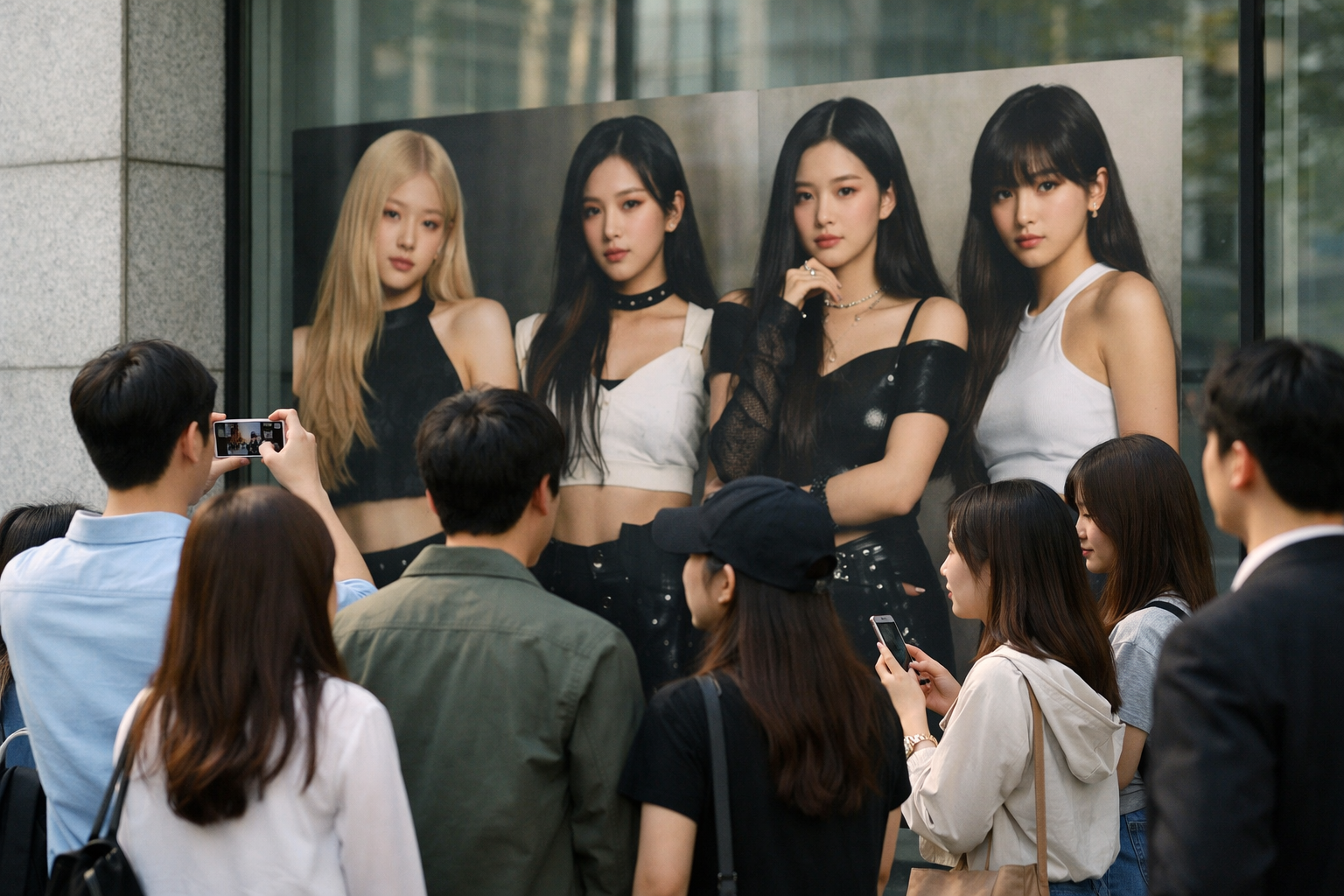
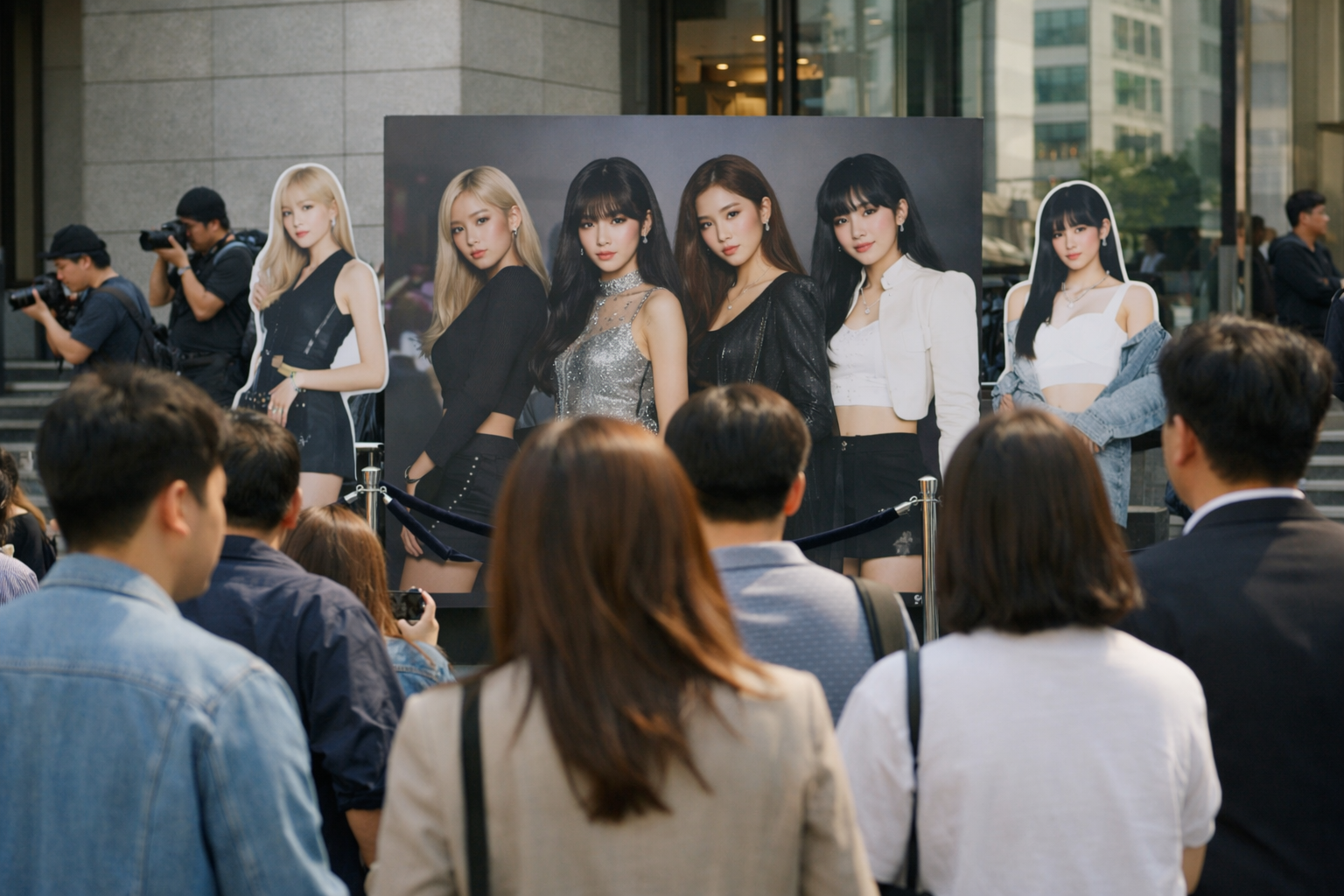
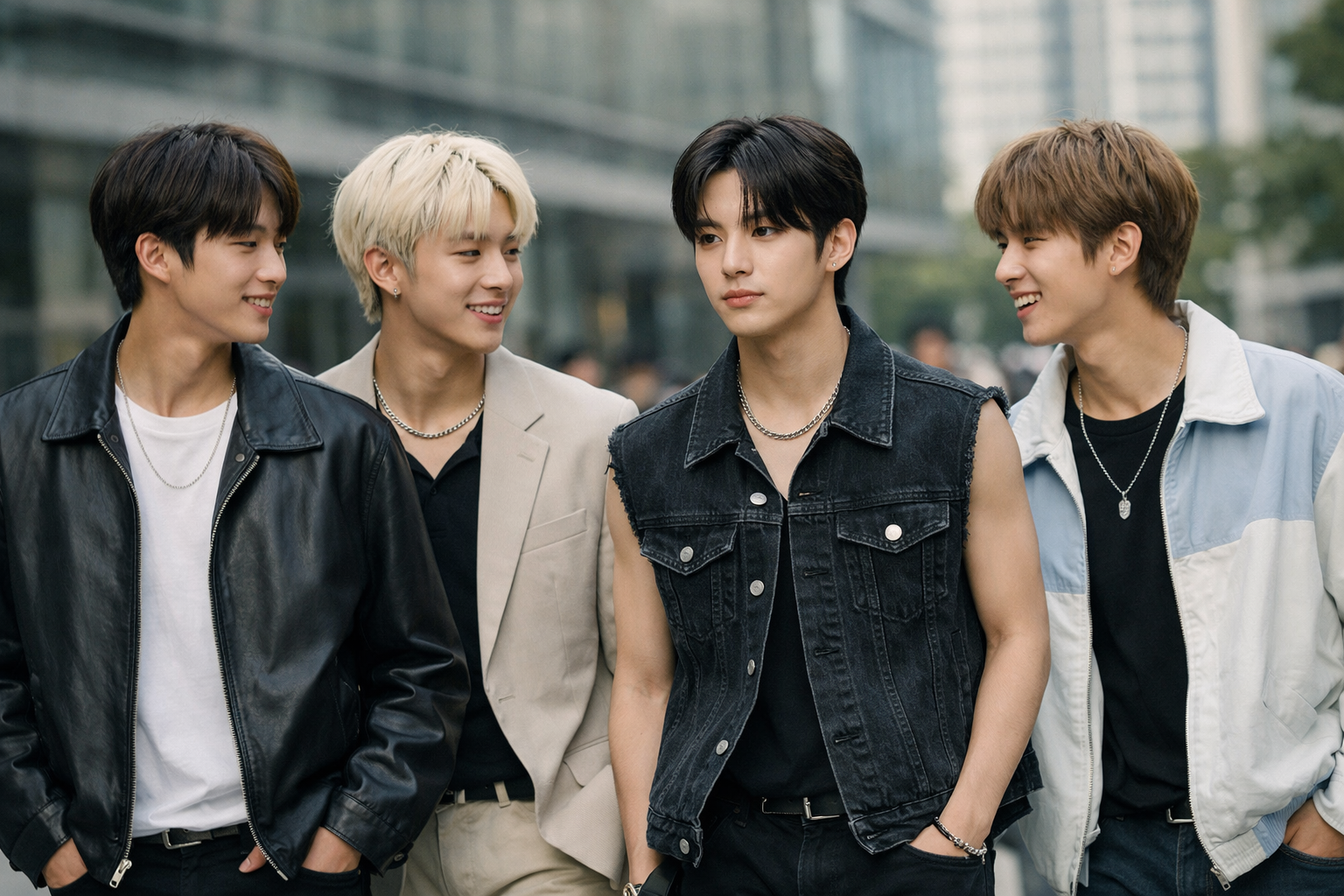
AI-Generated Photorealistic Image — All people, scenes, and details in this image are entirely AI-generated and fictional. Not a real photograph of an actual person or event. 이 이미지는 AI로 생성된 가상 이미지입니다.
Leave a Reply