Table of Contents
Can a boy band get a whole street renamed in its honor? Right now in Korea, fans and news outlets can’t stop talking about BTS, and for good reason.
Toronto is about to turn part of Yonge Street into “BTS Boulevard.” That’s not something you see happen to many musical acts, Korean or otherwise.
A Street Named After BTS
Toronto City Council approved a plan to temporarily co-name a stretch of Yonge Street in North York as “BTS Boulevard.” The renaming runs from August 21 to September 23, timed around BTS concerts scheduled for August 22 and 23.
The council also wants to officially proclaim those concert dates “BTS Weekend.” That’s a level of civic recognition usually reserved for national heroes, not touring musicians.
BigHit Music, the agency behind BTS, confirmed that Toronto reached out first. The city sought formal approval to use BTS intellectual property for the street sign and the weekend proclamation.
Think about that for a second. A city government asked permission to celebrate a band this way — doesn’t that tell you something about how far BTS has traveled from its early days in Seoul?
BTS Takes Over North America

This North American leg is part of the group’s ongoing “ARIRANG” world tour. The name itself carries weight — “Arirang” is one of Korea’s most beloved folk songs, sung for generations across the peninsula.
Choosing that title for a global tour isn’t accidental. It ties BTS’s massive international reach back to something deeply, quietly Korean.
Before landing in North America, BTS completed European dates in London, Paris, and Munich. Now the group is working through a demanding stadium schedule.
BTS performs at M&T Bank Stadium in Baltimore on August 10 and 11, then AT&T Stadium in Arlington on August 15 and 16. The tour wraps its North American run with the Toronto shows at Rogers Stadium on August 22 and 23.
These aren’t small venues. Filling NFL-sized stadiums night after night takes more than viral popularity — it takes years of built trust with fans.
Why Cities Are Rolling Out the Red Carpet

Toronto isn’t acting alone in its enthusiasm. Maryland Gov. Wes Moore has also publicly welcomed BTS to his state ahead of the Baltimore shows.
When a sitting governor takes time to greet a touring band, that’s a signal worth noticing. Local governments increasingly see major concerts as economic events, not just entertainment.
Stadium tours bring hotel bookings, restaurant traffic, and tourism spending that ripple far beyond the concert itself. Cities know this, and BTS’s fan base, often called ARMY, is famous for traveling internationally just to attend a single show.
(Some fans genuinely plan entire vacations around a two-night stadium run — frequent flyer miles were never so devoted to a cause.) That kind of dedicated travel spending is exactly what city officials want to attract.
You might wonder why a Korean street-naming or a governor’s welcome even matters outside Korea. It matters because it shows how K-pop has moved from niche fandom to mainstream civic recognition in cities that once knew little about Korean culture.
What This Means for K-pop’s Global Future
BTS debuted in 2013 as a mid-sized agency act with modest expectations. Over a decade later, the group influences how North American cities plan civic calendars around concert dates.
That trajectory says something about how quickly cultural influence can shift in a connected world. It also says something about the patient, long-term strategy behind BTS’s global rise — this wasn’t an overnight accident.
For readers following Korean entertainment news, outlets like the Korea Times continue tracking these milestones closely. The BTS Boulevard moment will likely be referenced for years as a marker of how far Korean pop culture has traveled.
Is this kind of civic tribute pure celebration, or does it also reflect a market calculation by cities eager for tourism dollars? Probably both, and that’s worth sitting with honestly.
Official recognition brings real benefits — visibility, economic activity, cultural pride shared between Korea and host cities. But it also carries pressure, since fame at this scale means every future BTS move gets scrutinized by millions, and the members carry that weight even while cities celebrate them.
BTS’s ARIRANG tour is more than a concert series moving through stadiums. It’s a case study in how a country’s cultural export becomes something cities want to formally claim as their own moment too.
As BTS continues rolling through Baltimore, Arlington, and Toronto, the tour offers global readers a live example of Korean soft power in action. What do you think about cities renaming streets and proclaiming weekends for touring musicians like BTS?
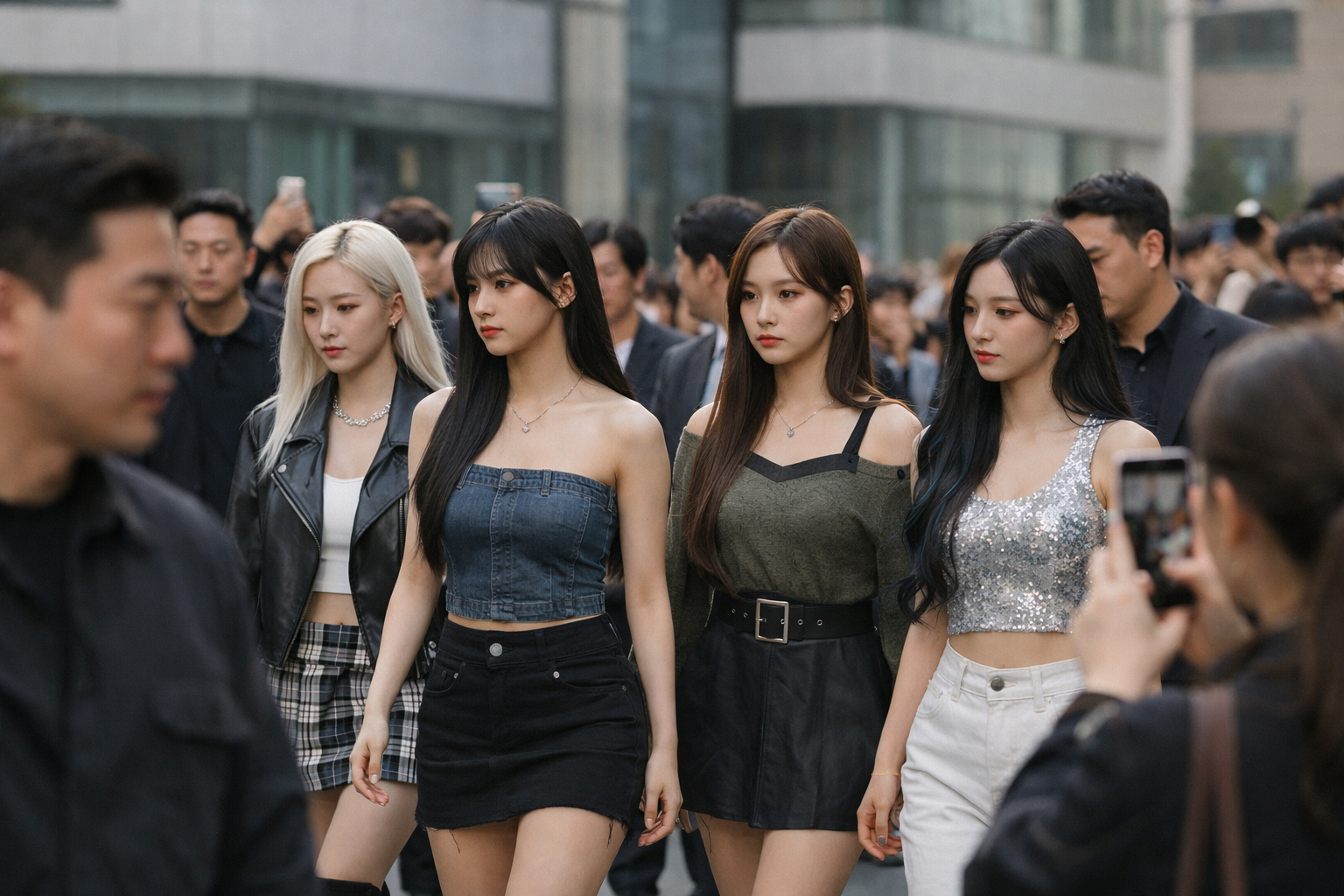
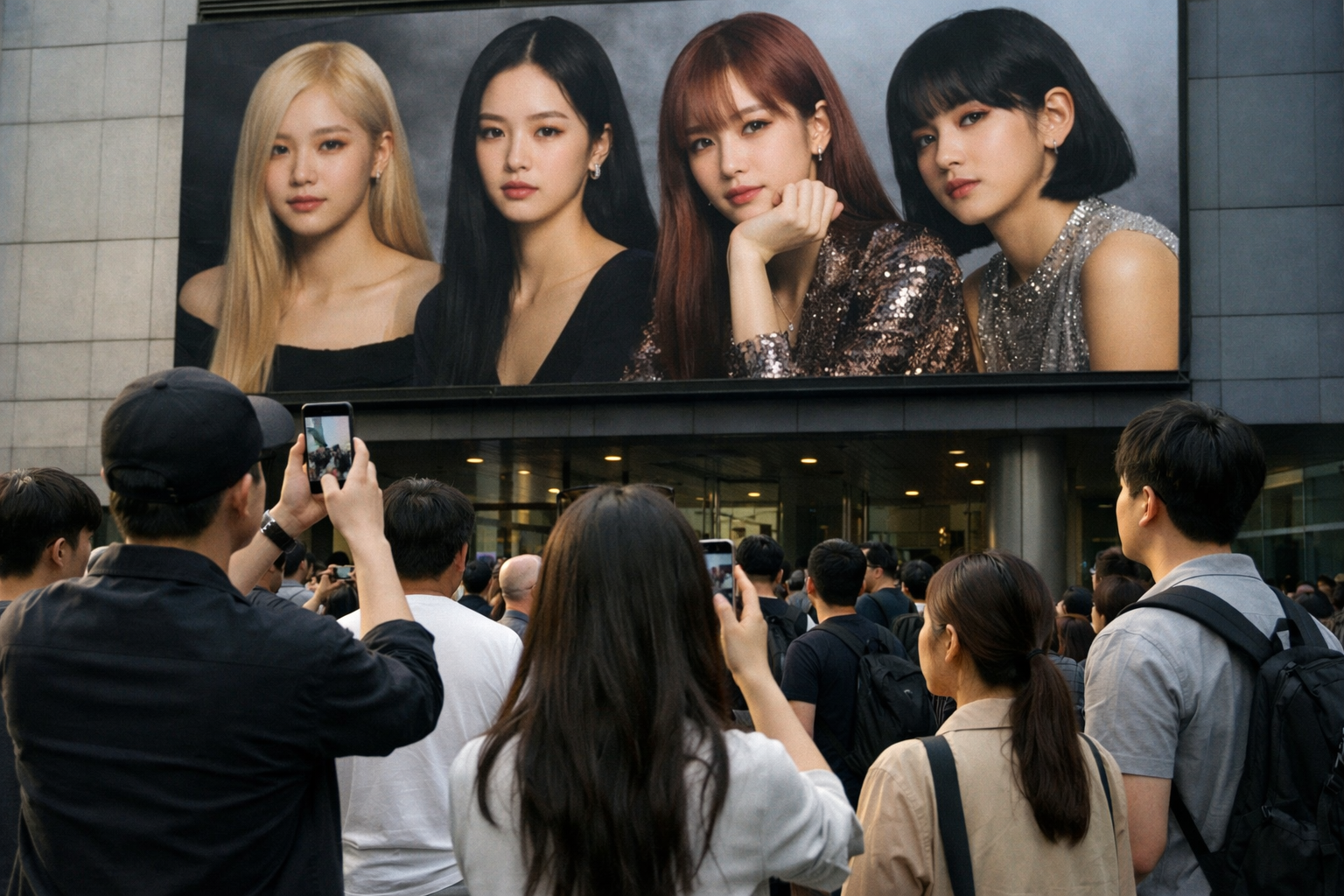
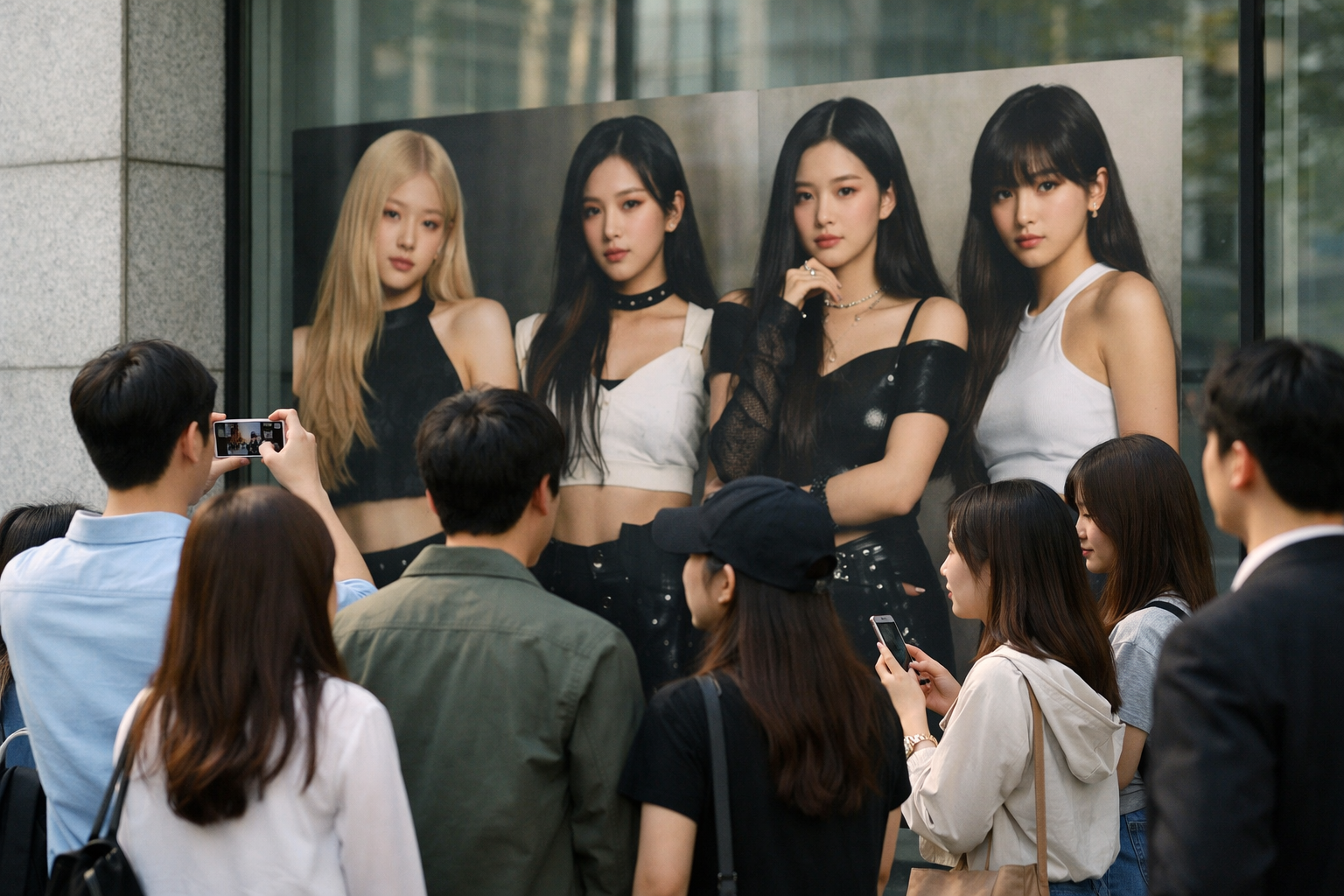
AI-Generated Photorealistic Image — All people, scenes, and details in this image are entirely AI-generated and fictional. Not a real photograph of an actual person or event. 이 이미지는 AI로 생성된 가상 이미지입니다.

Leave a Reply