Table of Contents
Right now in Korea, one question is spreading fast across news sites and social media: will there be a Liberation Day special pardon this year?
As of this week, reports suggest the answer is no. No special pardon for politicians. No special pardon for business leaders.
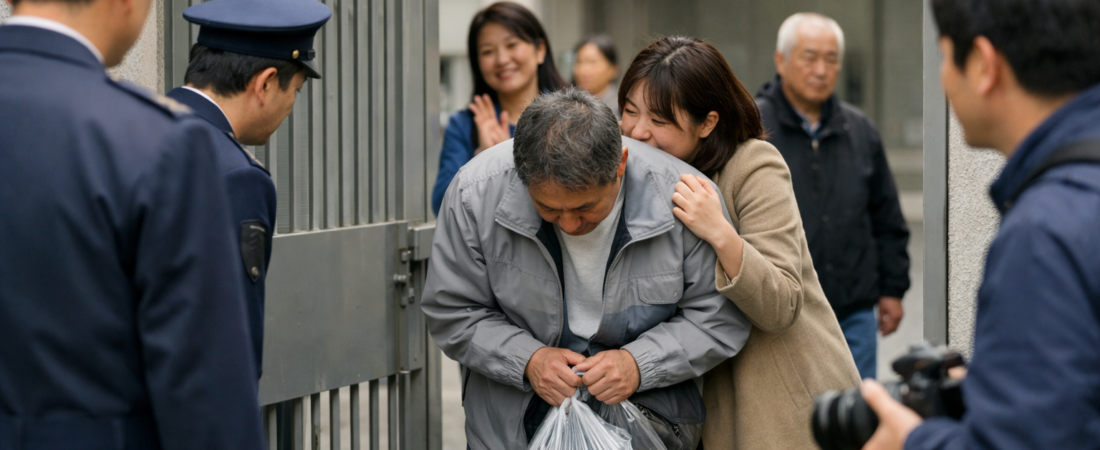
Instead, the government appears ready to focus on something quieter but just as meaningful: parole for well-behaved prisoners.
What’s Happening Right Now with the Liberation Day Special Pardon
Liberation Day falls on August 15 every year. It marks Korea’s freedom from Japanese colonial rule in 1945.
For decades, this date has carried extra weight in Korean politics. Presidents often use it to announce special pardons, wiping away criminal records for select individuals.
This year marks the 81st anniversary of that liberation. But according to a report cited by Dong-A Ilbo, this year will look different.
The government reportedly plans to move forward with parole decisions targeting model prisoners, rather than issuing a broad special pardon. No preparation for a formal pardon announcement has been made, sources say.
Have you ever wondered why some years bring big pardon headlines and others stay quiet? The answer often comes down to political timing, public mood, and legal preparation — and this year, the pieces simply aren’t lining up for a pardon announcement.
Parole Instead of Pardon: What’s the Difference?
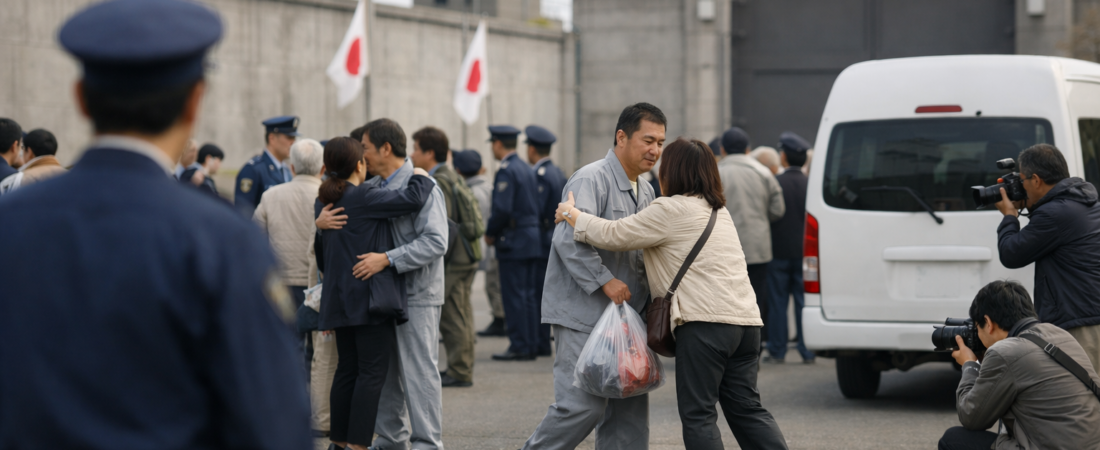
Let’s clear up some confusion here. A special pardon and parole are not the same thing, even though both can shorten time behind bars.
A special pardon is a presidential act. It can erase a criminal record entirely or reduce a sentence, often applied to a specific group tied to a national occasion like Liberation Day.
Parole, on the other hand, works through Korea’s regular corrections system. It rewards good behavior and rehabilitation progress, not political timing.
This year, the government’s parole plan will reportedly focus on model prisoners — those who have shown consistent good conduct. Think of it as recognizing personal effort rather than granting a politically symbolic gesture.
That distinction matters more than it might seem at first glance. A special pardon often draws headlines because it can include public figures, sometimes controversially.
Parole tends to stay procedural, low-profile, and rules-based. So when officials say there’s “no special pardon, only parole” this year, they’re really describing two very different approaches to criminal justice.
Why Politicians Won’t Get a Liberation Day Special Pardon This Year
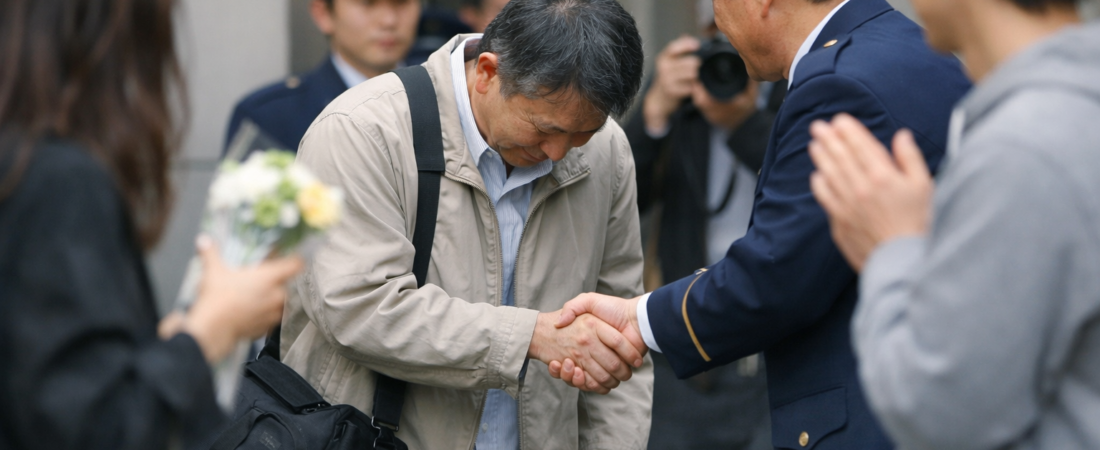
Special pardons involving politicians and business leaders have long been controversial in Korea. Critics often argue they undermine equal justice — as if some people get a shortcut simply because of who they are.
Supporters counter that pardons can promote national unity and give people a second chance. Both sides have a point, and that tension shapes every pardon debate in Korean politics.
This year, though, the debate seems to be settling in favor of caution. No preparation for a special pardon has reportedly taken place within the Ministry of Justice.
That’s a notable shift. In past years, speculation about a Liberation Day special pardon often built for weeks, with lists of possible recipients circulating in the press.
This year, that speculation cycle appears to have stalled before it even started. Why might that be?
One likely factor is public sentiment. Korean citizens have grown increasingly skeptical of pardons that seem to favor the powerful, especially after several high-profile cases involving business executives and former officials.
You can read more background on how Korea’s pardon system typically works through outlets like JTBC News, which has tracked this story closely.
Skipping a Liberation Day special pardon this year may reflect a broader caution around public trust. Government officials likely want to avoid controversy during a politically sensitive stretch, when every decision gets extra scrutiny.
What This Means for Korea’s Political Future
So what should you take away from all this if you’re watching Korea from outside the country? A missing Liberation Day special pardon might sound like a small administrative detail.
But it actually tells you something bigger about where Korean public opinion stands on accountability. Pardons touch a nerve because they raise a hard question: should status ever soften the consequences of wrongdoing?
Korea’s justice system, like many others, has grappled with that question for years. There is real, valid criticism of past pardons that appeared to protect the connected and the powerful, leaving ordinary citizens to wonder if the rules apply equally to everyone.
That frustration is understandable, and it deserves to be named honestly rather than smoothed over.
At the same time, this year’s shift toward parole for model prisoners — quiet, procedural, tied to actual behavior rather than status — offers a small but real sign of a system trying to recalibrate. It won’t fix every past grievance overnight, and skepticism toward future pardons will likely remain healthy and necessary.
But choosing restraint during a symbolically loaded moment like Liberation Day suggests someone, somewhere, is listening to public concern. Progress in justice systems rarely arrives as a dramatic reversal; more often, it shows up as this kind of careful, unglamorous choice.
For global readers, this story matters because it reflects a universal tension. Every democracy wrestles with how mercy and accountability should coexist, and Korea’s current approach offers a useful case study.
Looking ahead, expect this debate to resurface around the next major holiday or anniversary, since pardon speculation in Korea tends to follow a predictable seasonal rhythm (almost like clockwork, minus the actual clock).
Whether the government eventually issues a Liberation Day special pardon in future years will likely depend on shifting public trust and political conditions. For now, parole takes center stage instead.
What do you think — should special pardons play any role in modern justice systems, or is Korea right to lean toward caution this year?
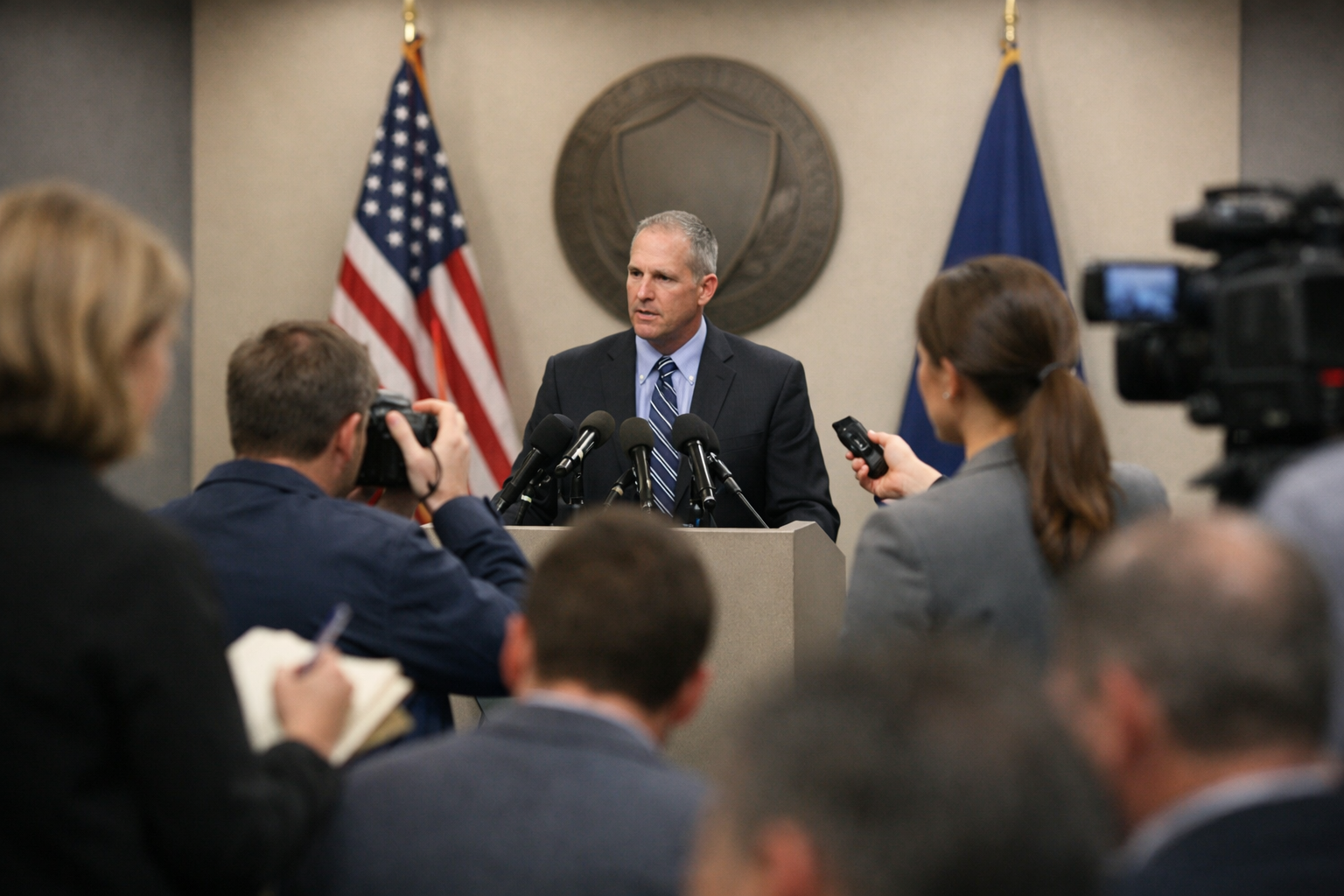
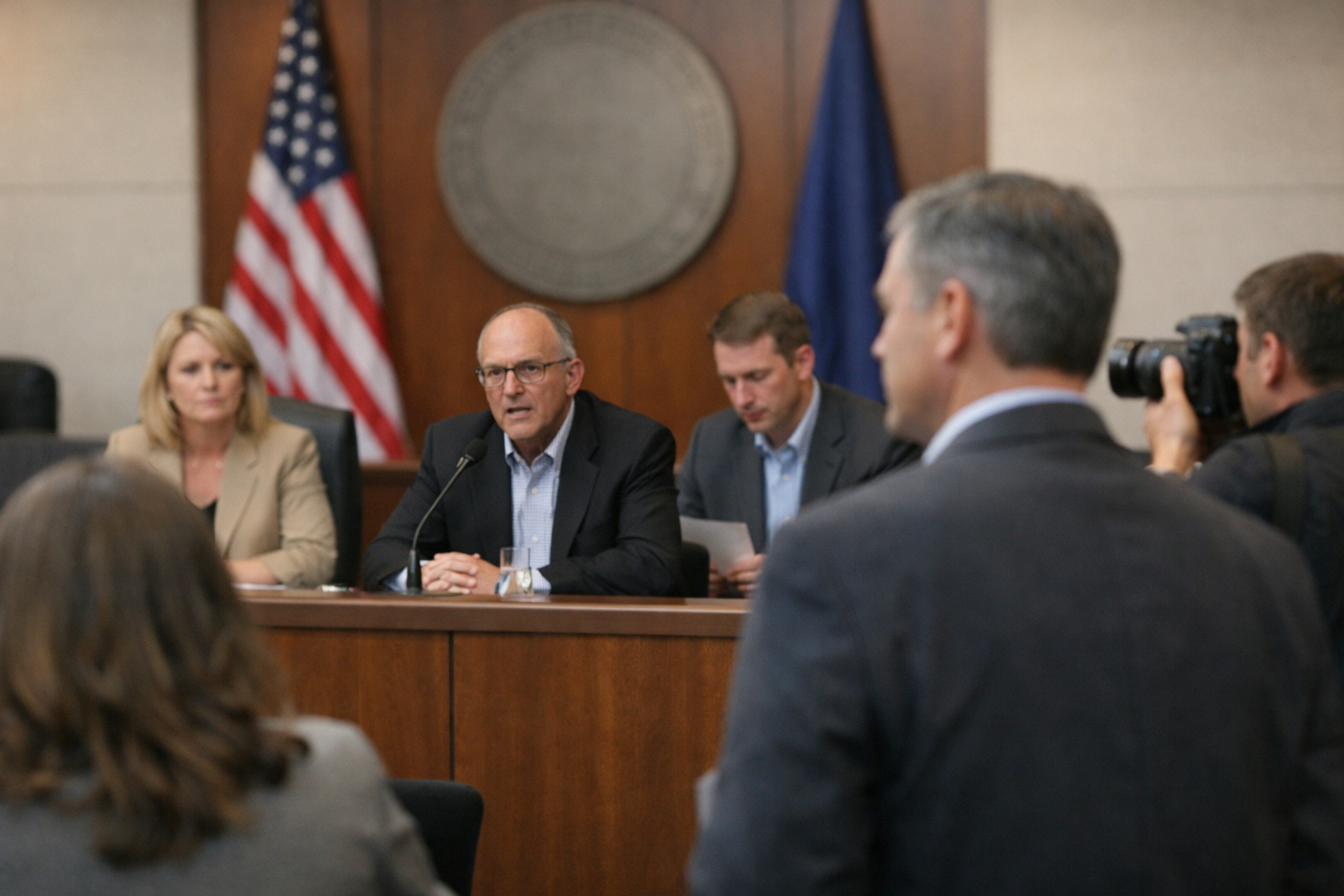
AI-Generated Photorealistic Image — All people, scenes, and details in this image are entirely AI-generated and fictional. Not a real photograph of an actual person or event. 이 이미지는 AI로 생성된 가상 이미지입니다.

Leave a Reply