
Table of Contents
Can a music group still on hiatus outshine active artists in brand recognition? That’s exactly what a new survey suggests about BTS. Four in ten American music consumers say they’re familiar with the group, according to fresh data released this week.
That number might not sound huge at first. But when you compare it to the industry average, the picture changes fast.
BTS Brand Awareness Hits New Heights in the US
The survey comes from Luminate, a global music data company trusted across the industry. BigHit Music, the agency behind BTS, shared the second-quarter figures on Friday. The results show 42 percent of US music consumers recognize BTS by name or sound.
Even more striking, 46 percent of those surveyed view the group favorably. Compare that to the 24 percent average recognition rate for all artists in the survey. That puts BTS a full 18 percentage points above the pack.
Think about that gap for a moment. Eighteen points isn’t a small margin in market research — it’s a signal of lasting cultural presence. BTS isn’t just another name floating around playlists; it’s a brand people actually remember and like.
Why This Survey Matters More Than You Think

You might wonder why a data point like this deserves attention. After all, BTS members are currently focused on individual projects and military service commitments. Shouldn’t recognition fade during a hiatus?
Apparently not. This BTS survey suggests something deeper than a temporary trend — it points to durable brand equity built over years of consistent output.
Marketing analysts often say brand awareness is the hardest thing to build and the easiest thing to lose. BTS seems to be defying that rule. The group has maintained visibility even without new full-group releases dominating the charts every month.
For readers who follow global pop culture trends, this data offers a useful case study. It shows how a K-pop act can plant itself firmly in mainstream American consciousness. You can read more about how music data companies track these trends through outlets like Korea Herald.
The Long Road to Global Recognition

BTS didn’t arrive at this level of recognition overnight. The group debuted in 2013 under Big Hit Entertainment, now part of the larger HYBE label system. Their early years involved grinding through Korea’s competitive music scene before international breakthroughs came.
By 2017, BTS had already built a passionate global fanbase known as ARMY. Their 2020 hit “Dynamite” marked a turning point, becoming the group’s first US Billboard Hot 100 number one. That single moment opened doors that many K-pop acts before them never reached.
Cultural context matters here too. Korean pop music, or K-pop, had spent over a decade building infrastructure for global export — trainee systems, multilingual content, and social media strategy. BTS became the clearest proof that this system could produce a truly global phenomenon, not just a regional hit.
It’s worth remembering how unusual this achievement is. Most non-English-language acts struggle to crack American mainstream recognition at all. BTS didn’t just crack it — they built a brand awareness rate nearly double the industry average, and did so while promoting largely in Korean.
What Comes Next for BTS and K-pop
So where does this leave BTS going forward? With members gradually returning from service obligations, anticipation for a full group comeback keeps building. Industry watchers expect this brand strength to translate into strong commercial performance once new music arrives.
Here’s a quieter truth worth sitting with, though. Numbers like these tell us about awareness and favorability, but they can’t fully capture what fans actually feel — the sense of connection, the comfort found in shared community, the way music becomes a companion during hard seasons.
That same closeness, the intensity of fandom devotion, can also carry pressure — for artists facing constant scrutiny, and for fans who sometimes measure their identity through a group’s success. Recognizing both sides doesn’t diminish what BTS has built. It simply reminds us that behind every survey statistic are real people, both performing and listening, navigating something more complicated than a percentage point.
K-pop as an industry will likely study this BTS survey closely in the months ahead. Other agencies want to replicate this kind of lasting brand power for their own artists. Whether they can match it remains an open question.
What do you think makes BTS different from other global pop acts — talent, timing, or something harder to define?
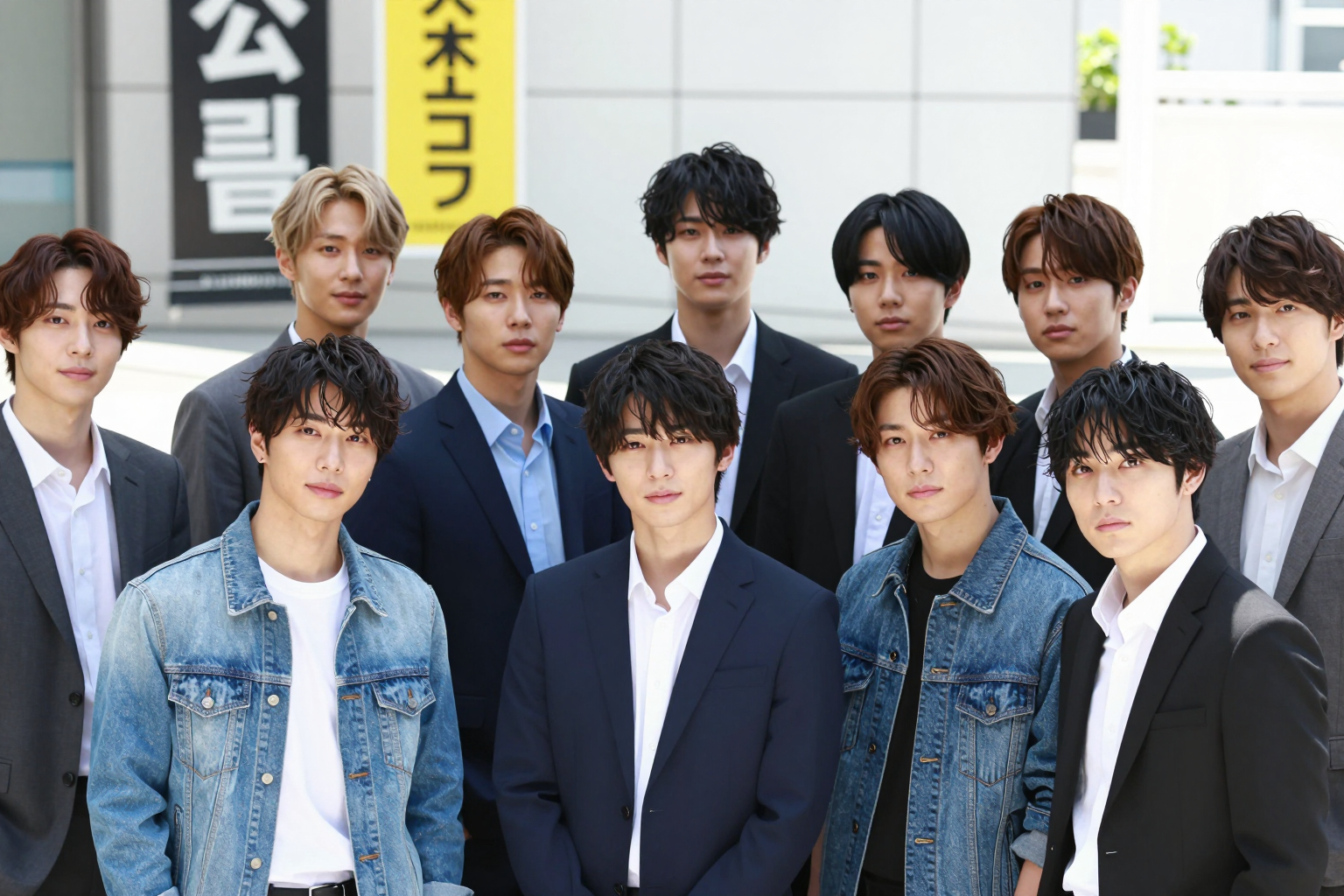
AI-Generated Photorealistic Image — All people, scenes, and details in this image are entirely AI-generated and fictional. Not a real photograph of an actual person or event. 이 이미지는 AI로 생성된 가상 이미지입니다.



Leave a Reply