Table of Contents
Can a single boycott force one of music’s biggest institutions to rethink itself? That question is exactly what’s happening with the Grammy Awards right now. After BTS declined to submit their music for the new Best Asian Pop Music Performance category, the Recording Academy is signaling real change.
This isn’t just industry gossip. It’s a moment where global fans, artists, and cultural observers get to watch how power actually shifts in the music business.
Why This Grammy Awards Story Matters
The Grammy Awards have long positioned themselves as the ultimate stamp of approval in music. But when an entire category feels like a consolation prize instead of genuine recognition, artists notice.
BTS built a global fanbase without needing a special category to prove their worth. So why would they accept one that, in their view, sidelines them from the main competition?
That tension is at the heart of this story. The Grammy Awards created the Best Asian Pop Music Performance category with good intentions, aiming for inclusion. Yet good intentions don’t always land the way organizers hope.
BTS and the Boycott That Started It All
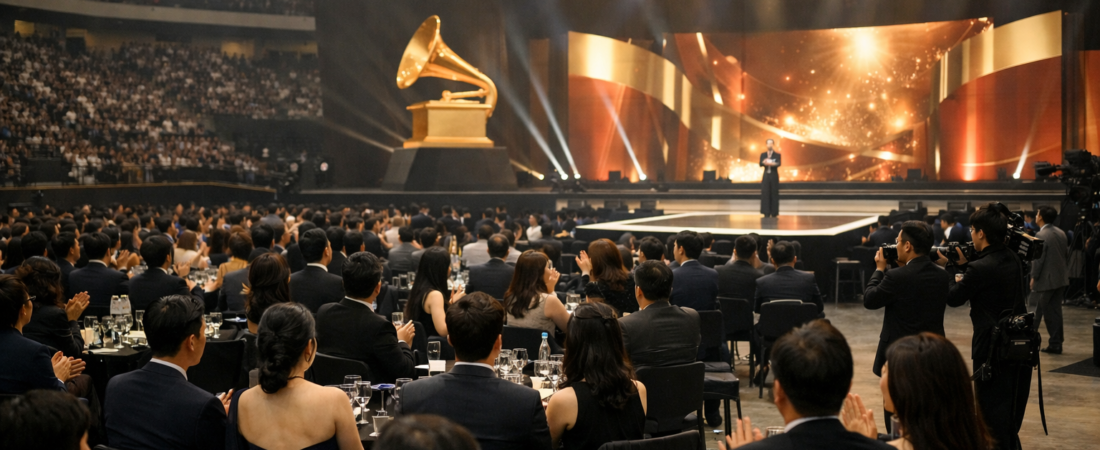
BTS has spent years breaking into categories once considered off-limits for K-pop acts. Their refusal to enter the new Asian pop category wasn’t a small gesture. It was a statement about where they believe their music belongs.
Think about it this way: would a global pop act want to compete only against artists from a single region, regardless of genre or style? That’s essentially what critics say the category does. It groups vastly different sounds together simply because of geography.
You can see why this stings for artists who’ve spent years fighting stereotypes about Asian music being a niche category rather than mainstream pop. The controversy grew louder once other artists and industry voices echoed similar concerns.
According to Korea Times, the backlash reached enough momentum that the Recording Academy could no longer stay silent. Reports from Billboard, The Hollywood Reporter, and Rolling Stone all confirmed the same internal concern was raised repeatedly by stakeholders.
Inside the Recording Academy’s Response

Harvey Mason Jr., CEO of the Recording Academy, addressed the controversy directly last Friday. He acknowledged that despite the organization’s intent to be more inclusive, some artists feel the category misrepresents their work.
That’s a notable admission from an institution that rarely reverses course quickly. Mason stated that the management and board are committed to working with artists to ensure they feel “truly seen and heard.”
Words are one thing, but will the Grammy Awards actually restructure the category? Billboard reported that changes may indeed be coming, though specifics haven’t been announced yet.
This kind of public acknowledgment matters because it shows the Grammy Awards listening to artist feedback in real time, rather than waiting years to adjust. For an institution built on tradition, that’s a meaningful shift in itself.
What Comes Next for Korean Music at the Grammy Awards
So where does this leave K-pop’s relationship with the Grammy Awards going forward? The answer likely depends on whether the Academy chooses genuine restructuring over surface-level fixes.
Categories built around geography rather than genre risk boxing artists into labels they never asked for. That’s a fair critique, and it deserves honest attention rather than dismissal.
At the same time, the Recording Academy’s willingness to publicly reconsider shows institutions can adapt when artists speak up together. Real progress rarely comes from one dramatic reversal. It usually comes from these smaller, uncomfortable conversations that push slow-moving systems toward something fairer.
BTS didn’t need to boycott loudly or issue angry statements to make their point. Sometimes silence, backed by clear values, speaks louder than protest. That quiet form of resistance seems to have worked, at least in opening the door to change.
For Korean artists more broadly, this moment offers a kind of blueprint. Standing firm on how your work should be judged, even against a powerful institution, can create real movement. And for global fans watching from outside Korea’s music industry, it’s a reminder that representation isn’t only about being included, but about being included on fair terms.
The Grammy Awards will likely announce further details in the coming months as they finalize the next award cycle. Whether the Best Asian Pop Music Performance category gets renamed, restructured, or removed entirely remains to be seen. What’s clear already is that artist pressure, when unified, can move even the most tradition-bound institutions.
What do you think about how the Grammy Awards are handling this Best Asian Pop Music Performance controversy?
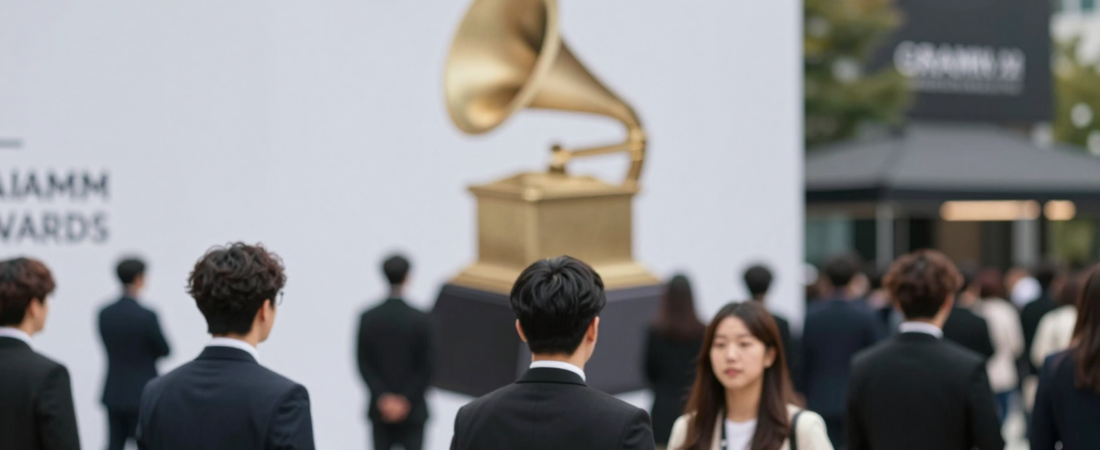
AI-Generated Photorealistic Image — All people, scenes, and details in this image are entirely AI-generated and fictional. Not a real photograph of an actual person or event. 이 이미지는 AI로 생성된 가상 이미지입니다.




Leave a Reply