Table of Contents
What does it actually take to survive as a K-pop idol today? Talent is not enough anymore. Just ask Gunil, whose sudden exit from Xdinary Heroes has put JYP Entertainment and its strict idol character standard back in the spotlight.
On August 13, JYP Entertainment announced Gunil could no longer continue group activities. His exclusive contract was terminated the same day, ending his run with the seven-member band almost overnight.
What Happened With Gunil and Xdinary Heroes
The timeline here moves fast, even by K-pop standards. On August 12, a user claiming to be Gunil’s ex-girlfriend posted allegations online, along with a voice recording containing profanity.
That recording quickly spiraled into something bigger. Fans believed the comments insulted the group’s core supporters, and that accusation touched a nerve that agencies take very seriously.
Just one day later, JYP Entertainment made its move. The agency did not release every detail, but it stated it “deeply recognizes the gravity of the situation regarding the recent issue involving Gunil.”
That single sentence carried enormous weight. It signaled that, whatever exactly happened, the company saw no path forward for keeping Gunil in the group.
The fallout arrived immediately. Upcoming events tied to Xdinary Heroes were canceled, leaving fans, staff, and the remaining members to adjust on short notice.
You have to wonder how the other members felt, watching a bandmate disappear from the lineup in a matter of hours. That kind of abrupt change tests a group’s stability in ways a slow scandal never would.
JYP Entertainment’s Long Obsession With Character
Here is where the story becomes bigger than one idol. JYP Entertainment founder Park Jin-young has talked publicly for years about three values he wants in his artists: sincerity, humility, and honesty.
This is not new branding dreamed up after a crisis. Park has repeated these three words in interviews, audition footage, and internal training sessions for over a decade.
Why does one entertainment executive care so much about character, not just vocal range or dance skill? Because in Korea’s idol system, a group’s reputation is fragile, and one member’s private behavior can damage everyone around them.
Unlike many Western entertainment models built around individual celebrity, K-pop groups function like tightly bound units. Fans invest emotionally in the whole team, not just a favorite face, so trust becomes a shared resource that any single member can spend down quickly.
JYP Entertainment has built its public identity partly around this philosophy. Whether you look at TWICE, Stray Kids, or newer acts, the company consistently frames personal integrity as part of the product itself, not a side issue.
That framing raises the stakes for everyone under contract. If sincerity and honesty are marketed as core values, then any allegation touching those values becomes a direct threat to the brand, not just a personal scandal.
Why Idol Contracts Get Terminated So Fast

Some readers outside Korea find the speed of these decisions surprising. Western entertainment companies often wait for investigations, lawsuits, or lengthy internal reviews before cutting ties with a performer.
K-pop agencies tend to move differently, and JYP Entertainment’s handling of Gunil shows why. Reputational damage spreads within hours on Korean social media, and any delay can look like the agency is protecting the idol instead of the fans.
You can read more background on the broader controversy in this Korea Times report on the case. It captures how quickly online allegations converted into a business decision.
Is this speed fair to the accused? That is a fair question, since JYP Entertainment terminated the contract without publicly detailing exact wrongdoing.
But agencies argue they are protecting something larger than one person’s career. They are protecting the fan base’s trust, the group’s remaining members, and years of brand investment built on that promise of sincerity, humility, and honesty.
This is not the first time JYP Entertainment has acted decisively over conduct issues, and it likely will not be the last. The pattern suggests a company willing to absorb short-term disruption, like canceled events, rather than risk long-term credibility damage.
What This Means for Fans and the Industry
Xdinary Heroes now faces the tricky work of moving forward as six members instead of seven. Canceled events hurt in the short term, but the bigger question is how quickly fans rebuild trust in the group’s stability.
K-pop fandoms are famously loyal, and that loyalty is exactly what makes incidents like this sting so much. A community that shows up for every comeback, every livestream, every fan meeting is also a community that feels betrayal deeply when a member allegedly disrespects them.
That same closeness between idols and fans, though, carries a real cost most people rarely discuss. The intense scrutiny that keeps idols accountable can also crush young performers under pressure they never fully agreed to when they signed a contract as teenagers.
There is no easy fix here, but there are signs of a healthier direction. More agencies now offer psychological support programs, and some idols have begun speaking openly about mental health, which was almost unthinkable a decade ago.
For JYP Entertainment specifically, this incident reinforces a public identity built over twenty years. Whether that reputation feels admirable or excessive probably depends on where you are sitting, as a fan, a trainee, or a curious outside observer.
One thing is certain: JYP Entertainment’s strict standards will keep shaping how the company handles future controversies, for better or worse. (And somewhere, a JYP Entertainment trainee is probably rehearsing sincerity, humility, and honesty like vocal warm-ups.)
K-pop’s global audience keeps growing, and with it comes more scrutiny of how agencies treat both idols and fans. Will JYP Entertainment’s character-first approach become the industry norm, or stay a distinctive company philosophy?
What do you think — should K-pop agencies act this fast on unproven allegations, or slow down and investigate first?
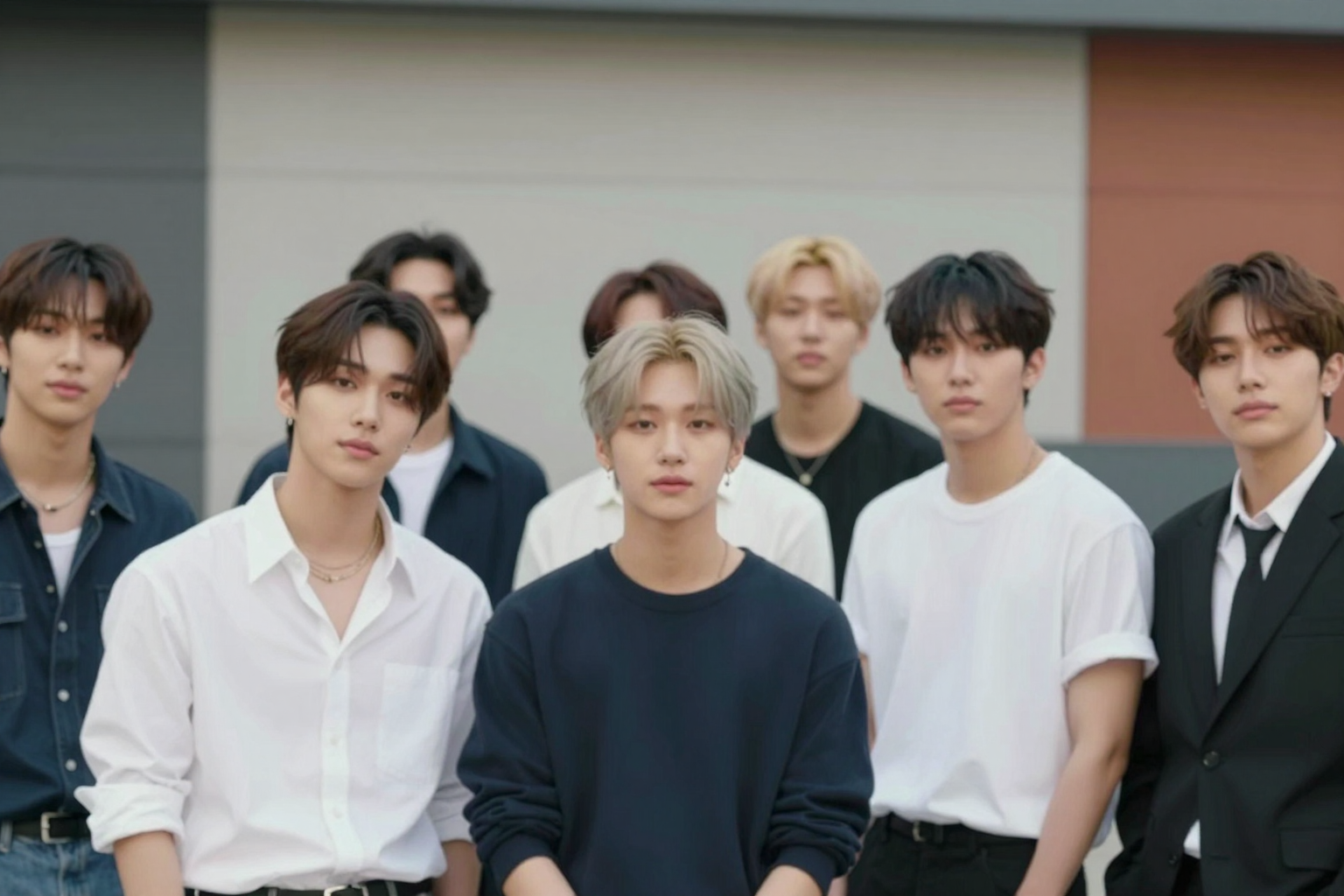
AI-Generated Photorealistic Image — All people, scenes, and details in this image are entirely AI-generated and fictional. Not a real photograph of an actual person or event. 이 이미지는 AI로 생성된 가상 이미지입니다.

Leave a Reply