
Table of Contents
Korean Times critics gave July and August’s K-pop releases a mixed report card. i-dle’s “Gimme Dat Love” landed close but not quite, while Yeonjun’s “Ice Cream” earned praise as genuinely replayable. The overall verdict: too many acts chased the same tropical-pop trend at once.
Summer is supposed to be K-pop’s playground. Every year, groups release their brightest, breeziest songs, hoping to own the season. But this year, something felt off — and you probably noticed it too, if you’ve been streaming the new drops.
The Late-Summer K-pop Report Card
Every summer, K-pop labels release a flood of songs designed for pool parties and road trips. This year was no different, except the flood came with a strange side effect. So many groups picked the exact same lane: Latin-tropical rhythms mixed with Afrobeats.
Why does this happen every single time? One song works, and suddenly the whole industry seems to agree it’s the only sound worth making. It’s a bit like everyone showing up to the same beach on the same hot day — crowded, and not everyone brought the right gear.
The Korea Times review frames this K-pop season as a mix of genuine hits and lukewarm attempts. Some tracks stood out by taking real creative risks. Others simply followed the trend without adding anything new, and listeners could tell the difference immediately.
This pattern isn’t new to K-pop, but it does raise a fair question. If everyone copies the same formula, does K-pop lose the very thing that made it exciting in the first place — surprise? You can read more detail on this season’s releases via Korea Times.
i-dle’s Tropical Gamble and Why It Almost Works
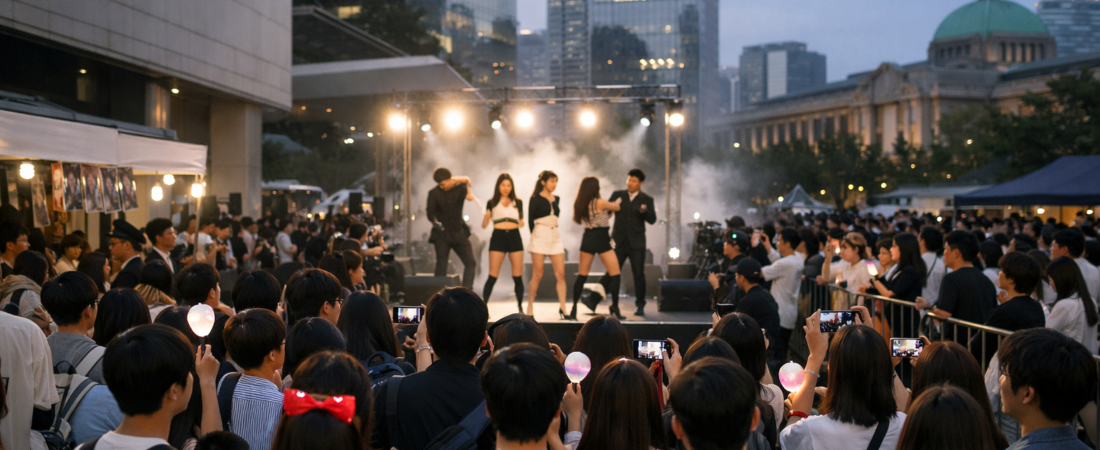
i-dle released “Gimme Dat Love” on July 6 as part of their “We Made” EP. The verdict from critics was clear: nearly there, but not quite landing. The song blends Latin-tropical grooves with Afrobeats, arriving right as K-pop’s electronic wave was still fading out.
Here’s the tension at the heart of the track. The production sounds confident, sweaty, and full of attitude. But some of the vocals stay clean and controlled, almost too polished for a beat this loose.
Think of it like wearing a crisp business suit to a beach party. The outfit isn’t wrong, exactly — it just doesn’t quite match the mood of the room. That mismatch between beat and delivery is what keeps “Gimme Dat Love” from fully landing, even though the ambition behind it deserves credit.
This isn’t a total miss by any means. i-dle has built a reputation for genre experimentation, and this attempt shows real range. But when a K-pop group reaches for a bold new sound, the vocal performance has to match that boldness, or the whole song feels slightly out of sync.
Fans of i-dle will likely still enjoy the track’s energy and production choices. But for critics measuring K-pop’s tropical pop wave against its best examples, “Gimme Dat Love” sits just short of the mark. Close attempts like this one show why trend-chasing in K-pop is a genuine gamble, not a guaranteed win.
Yeonjun’s “Ice Cream” and the Case for Restraint
Yeonjun’s “Ice Cream,” released July 10 as part of “NO LABELS: PART 02,” earned a much warmer verdict. Critics called it worth replaying — high praise in a crowded season of one-listen songs. So what made this K-pop track succeed where others struggled?
Part of the answer may be restraint. Instead of forcing every trendy element into one song, “Ice Cream” seems to know exactly what it wants to be. That kind of focus is rare when so much of the industry is busy stacking sounds together.
Solo tracks from group members often carry extra pressure. Listeners want to hear something that feels personal, not just another group formula repackaged. “Ice Cream” apparently clears that bar, giving Yeonjun space to show his own identity within TXT’s broader sound.
Replayability is a strange but useful measuring stick for K-pop songs. A track can sound impressive on first listen and still fade fast. But a song that pulls you back for a second or third play has done something harder — it’s earned genuine staying power, not just a strong opening impression.
Why K-pop Keeps Chasing the Same Sound

The bigger story in this K-pop report card isn’t any single song. It’s the pattern behind all of them. Once electronic music proved profitable, tropical pop and Afrobeats became the next target, and dozens of groups rushed toward the same finish line.
Why does this cycle keep repeating in K-pop, year after year? Record labels operate under intense financial pressure, and copying a proven formula feels safer than betting on something untested. That safety, though, often comes at the cost of originality.
There’s real tension here worth naming honestly. When labels prioritize safe imitation, K-pop risks losing the creative daring that first drew global listeners in. Something valuable is genuinely at stake when every summer release starts sounding interchangeable.
But this isn’t the whole picture, and it shouldn’t be. Inside that same crowded trend, artists like Yeonjun still find room to make something that feels distinct and lasting. That’s the quieter, more hopeful side of the story — creativity finding a path even inside commercial pressure, proof that individual artistry hasn’t disappeared.
Maybe that’s the honest truth about any creative industry, K-pop included. Pressure toward sameness will always exist, because money and risk-aversion don’t disappear just because art is involved. Yet inside that pressure, individual voices keep finding ways to stand out, reminding us that imitation and originality can coexist in the same season.
What This Means for K-pop’s Next Season
So where does K-pop go from here? If this summer’s report card teaches anything, it’s that audiences can tell the difference between a trend followed with purpose and one followed out of habit. K-pop listeners are more musically literate than ever, and that’s raising the bar for everyone.
Labels chasing the next tropical-pop hit should take note. Copying a sound isn’t the problem — copying it without adding anything personal is. The groups that succeed going forward will likely be the ones brave enough to bend the trend toward their own identity, the way Yeonjun apparently did with “Ice Cream.”
What do you think — should K-pop artists take more creative risks, even if it means more misses along the way?
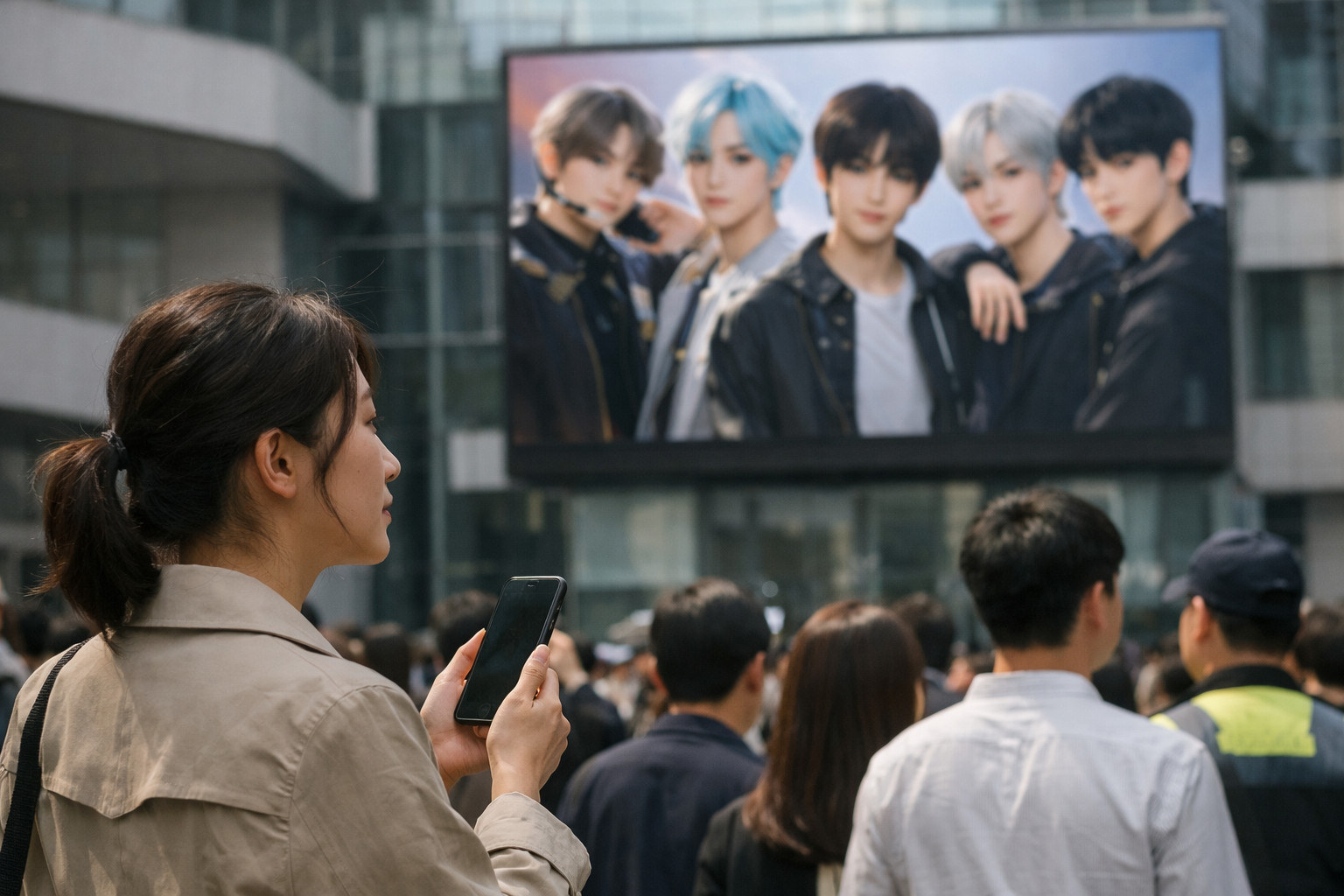
AI-Generated Photorealistic Image — All people, scenes, and details in this image are entirely AI-generated and fictional. Not a real photograph of an actual person or event. 이 이미지는 AI로 생성된 가상 이미지입니다.



Leave a Reply