Table of Contents
Korea’s Ministry of Foreign Affairs issued a special travel advisory for four regions of Nepal: Bagmati, Gandaki, Koshi, and Lumbini. Severe flooding hit these areas, and officials warn more flood damage could follow. If you are planning a trip to Nepal, this advisory matters directly to you.
Why Korea Issues Travel Advisories for Nepal
Nepal draws travelers from around the world for its mountains, temples, and trekking routes. But natural disasters can change the picture fast. Do you know what happens when a government suddenly labels a popular destination unsafe?
In this case, heavy flooding struck Bagmati, Gandaki, Koshi, and Lumbini. These four regions cover a huge portion of Nepal’s populated lowlands and river valleys. Roads, bridges, and villages all faced serious damage.
Korea’s Ministry of Foreign Affairs responded by issuing a special travel advisory for these Nepal regions. This step signals more than routine caution. It tells citizens that danger is real, immediate, and possibly still growing.
Understanding Korea’s Travel Advisory System
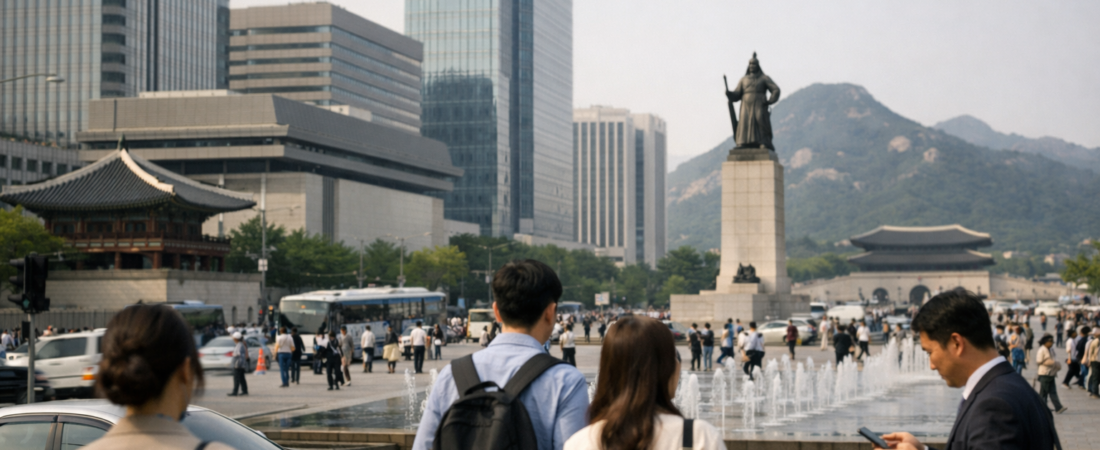
Korea uses a tiered system to warn its citizens about risks abroad. A special travel advisory sits apart from the usual four-color alert levels. It applies when short-term, urgent danger appears somewhere in the world, including Nepal.
Why does this distinction matter? Because it changes what the government expects from you.
A standard advisory might just suggest caution. A special advisory for Nepal, though, carries a stronger message: reconsider your plans entirely. The ministry uses this tool sparingly, reserving it for sudden crises like floods, unrest, or natural disasters rather than long-term risks.
Nepal has faced monsoon flooding before, but this round pushed officials to act quickly. You can learn more about how these floods unfolded through SBS News, which covered the initial disaster reports.
What Travelers to Nepal Should Do Now
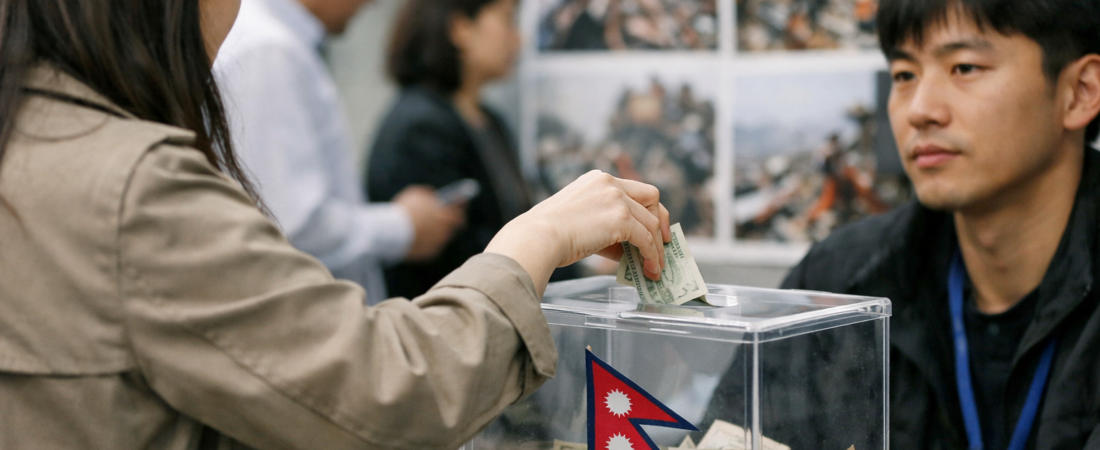
The advisory gives clear, practical guidance. If you have a trip to Nepal planned, cancel it or postpone it. This is not a suggestion buried in fine print — it is the ministry’s direct recommendation.
What if you are already in Nepal when an advisory like this hits? The ministry recommends moving to safer areas unless you have essential business keeping you there. Safety, not convenience, should guide every decision.
Flood zones can shift quickly, and roads that seem passable today may wash out tomorrow. Local infrastructure across Bagmati, Gandaki, Koshi, and Lumbini may still be unstable. Staying flexible, and staying in contact with your embassy, matters more than sticking to a fixed itinerary.
This is also a good moment to think about travel insurance and emergency contacts before any international trip. Nepal’s mountain roads are stunning, but they can turn treacherous after heavy rain (packing a raincoat suddenly feels less optional and more like survival gear). Preparation beats improvisation every time.
How to Stay Informed Before Any Trip to Nepal
Long before disaster strikes, smart travelers build a habit of checking government advisories. Korea’s Ministry of Foreign Affairs updates its Nepal guidance as conditions change. That means today’s advisory could shift again as flood risks evolve.
How often should you check for updates? Ideally, review official advisories a few weeks before departure, then again closer to your travel date. Conditions in flood-prone regions like Nepal can change within days, not months.
Beyond government advisories, local news sources and embassy alerts offer real-time context. Nepal’s geography, with steep valleys and major rivers, makes it naturally vulnerable to monsoon flooding each year. Understanding this pattern helps you plan smarter, whether you are booking a trek in Gandaki or a cultural stop in Lumbini.
Travel advisories exist to protect people, not to discourage curiosity about the world. Nepal remains a remarkable destination once conditions stabilize, and future travelers can plan responsibly using the lessons from this flood season. What steps do you take before booking a trip to a region with known seasonal risks like Nepal?
AI-Generated Photorealistic Image — All people, scenes, and details in this image are entirely AI-generated and fictional. Not a real photograph of an actual person or event. 이 이미지는 AI로 생성된 가상 이미지입니다.

Leave a Reply