
Table of Contents
Fractional investment is expanding beyond art and real estate into music copyright shares, and Korean regulators say trust and institutional safeguards will decide whether this market truly takes off. Right now in Korea, fractional investment is having a moment. As of this week, investors and platforms alike are asking the same question: what will it take for this market to finally succeed?
What Is Fractional Investment, and Why Is It Growing Now
Think about owning a piece of a famous painting without buying the whole thing. That’s the basic idea behind fractional investment, known in Korea as “jogak tuja.”
Instead of paying millions for a single asset, you buy a small share. Many investors together fund one expensive item, then split any profit when it’s sold.
Why is this catching fire now? Rising asset prices have pushed many Koreans out of traditional markets like housing.
Fractional investment offers a lower-cost entry point. You don’t need a large lump sum to participate in high-value assets anymore.
This shift matters because it’s changing who gets access to wealth-building tools. Fractional investment used to be a niche idea reserved for the wealthy few who could afford entire assets outright.
From Art and Real Estate to Music Royalties

Originally, fractional investment in Korea centered on two categories: real estate and fine art. Both are notoriously expensive and illiquid, meaning they’re hard to sell quickly.
Splitting them into shares solved a real problem for smaller investors. But the market isn’t stopping there.
Music copyright has emerged as a new frontier for fractional investment. Investors can now buy shares of royalty income from popular songs, earning a slice of streaming and licensing revenue.
Isn’t it fascinating that a K-pop hit can become an investment vehicle, not just a chart-topper? This diversification is a sign of maturity.
Platforms are betting that more asset types will attract more investors with different interests. Someone uninterested in real estate might jump at owning a piece of a song’s royalty stream instead.
(Somewhere, a songwriter is probably wondering if their catalog is now a stock ticker.) That’s the direction fractional investment is heading — broader, more creative, and more accessible.
Trust and Regulation: The Real Hurdle for Fractional Investment
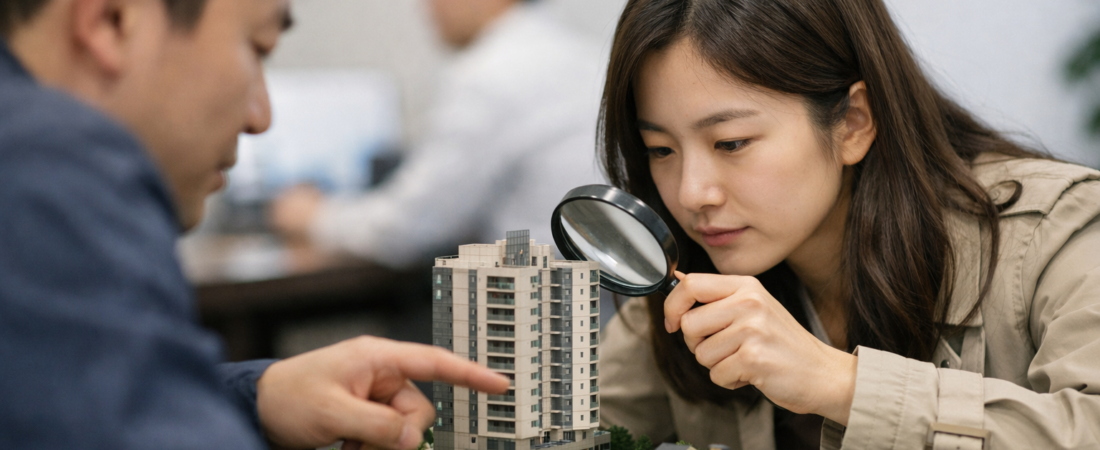
Here’s the catch. New asset categories mean nothing if investors don’t trust the system behind them.
Fractional investment relies on platforms correctly valuing assets, managing returns fairly, and protecting investor rights. Without strong institutional frameworks, even the most exciting asset class can collapse under doubt.
What happens if a platform mismanages funds or overvalues an asset? Investors lose money, and trust in the entire fractional investment market takes a hit.
This is why analysts, as reported by Maeil Business Newspaper, point to investor protection and regulatory clarity as preconditions for growth. Korea’s Financial Services Commission has been working to classify fractional investment products more clearly.
Clear rules help everyone. Platforms know what’s allowed, and investors know what protections exist if something goes wrong.
Without that clarity, fractional investment risks becoming another cautionary tale of hype outpacing substance. South Korea has seen this pattern before, in areas like early cryptocurrency trading, where enthusiasm ran ahead of regulation.
What This Means for Everyday Investors
So, should you jump into fractional investment right now? That depends on how much research you’re willing to do first.
Lower entry costs are appealing, but lower cost doesn’t mean lower risk. Illiquid assets like art or music royalties can still be hard to exit quickly, even in fractional form.
There’s something honest to admit here. The same innovation that opens doors for small investors can also expose them to risks they don’t fully understand, especially when marketing outpaces plain explanation.
Yet there’s real hope in this story too. Regulators and platforms are increasingly working together to build clearer disclosure standards, and some fractional investment platforms now publish detailed asset valuation reports before any share sale begins.
That’s a meaningful step toward balancing access with accountability. Human ambition to build wealth isn’t a flaw — it’s a natural drive that, paired with honest information, can create genuine opportunity rather than false promises.
Where does this leave the fractional investment market going forward? If Korea strengthens its regulatory backbone while keeping innovation alive, this sector could become a model for accessible investing elsewhere in Asia.
The expansion into music royalties shows real creative potential. But that potential only turns into lasting growth if investor trust comes first, not as an afterthought.
What do you think about fractional investment as a way to open financial markets to more people?
AI-Generated Photorealistic Image — All people, scenes, and details in this image are entirely AI-generated and fictional. Not a real photograph of an actual person or event. 이 이미지는 AI로 생성된 가상 이미지입니다.




Leave a Reply