Table of Contents
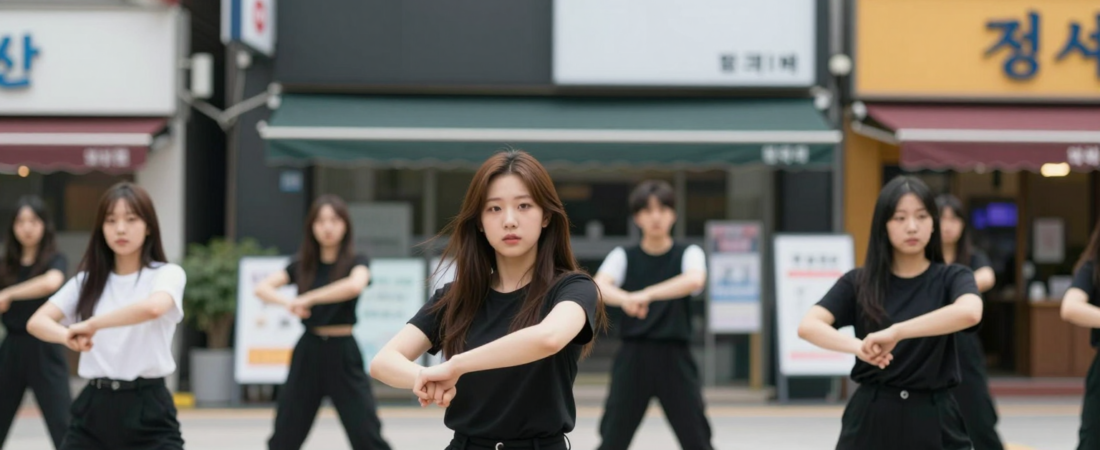
K-pop choreography is splitting sharply along gender lines in 2026. Boy groups are pushing toward harder, more athletic routines, while girl groups are moving toward freer, more expressive movement. NCT 127 and rookie act Tuide showed this contrast clearly when both released new music on the same day, Aug. 24.
The New Gender Divide in K-pop Choreography
Have you noticed how differently boy groups and girl groups move on stage lately? It is not your imagination. K-pop choreography is evolving into two distinct paths, one built on physical intensity, the other on personal expression.
Boy groups are increasingly known for demanding, high-energy routines. Sharp formations, powerful jumps, and tight synchronization define their stages. Precision and stamina become the selling point.
Girl groups, meanwhile, are drifting toward looser, more individual movement. Members express character through small gestures, facial expression, and personal flair. The choreography feels less like a military drill and more like a personal statement.
This is not a minor stylistic quirk. It reflects a deeper shift in how the industry defines idol identity by gender. And that shift raises a real question: is this creative evolution, or just a new kind of typecasting?
NCT 127 vs. Tuide: A Tale of Two Stages
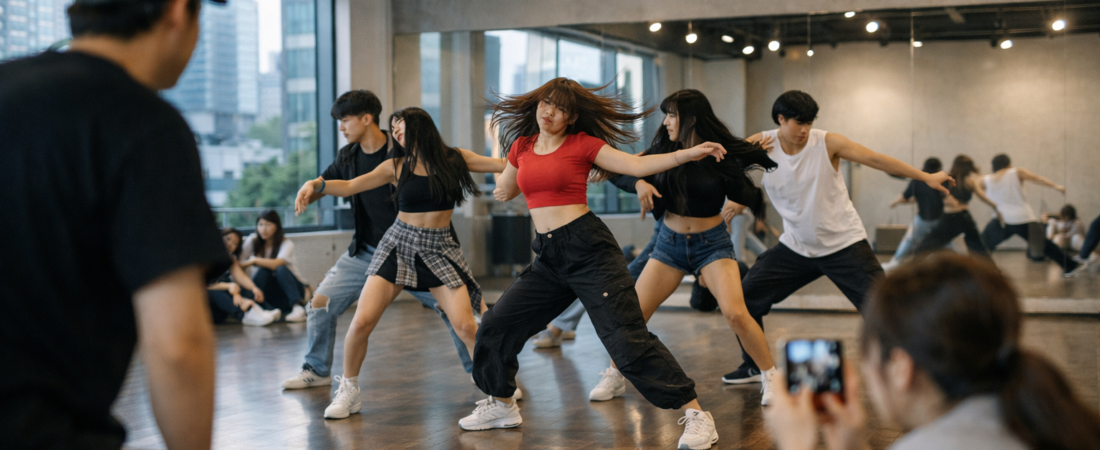
The Aug. 24 comeback of NCT 127 and Tuide offers a perfect case study. Both groups released music the same day, yet their choreography told two very different stories. NCT 127 leaned into athleticism, while Tuide leaned into freedom.
At the press conference for their seventh album, “Blingy,” NCT 127 members repeatedly pointed to the physical difficulty of the new choreography. Group interviews often reveal what a comeback is really about, and this one was about endurance. Their routines demand strength, stamina, and near-perfect group timing.
Tuide, a rookie girl group, took the opposite approach. Their choreography allows more room for individual style within the same song. Instead of matching every movement precisely, members bring their own energy to shared formations.
This side-by-side comparison matters because both groups debuted publicly on the same day. It is rare to see such a clean contrast in real time. For fans and industry watchers alike, this became a live demonstration of the current K-pop choreography trend.
Why This Split Is Happening Now
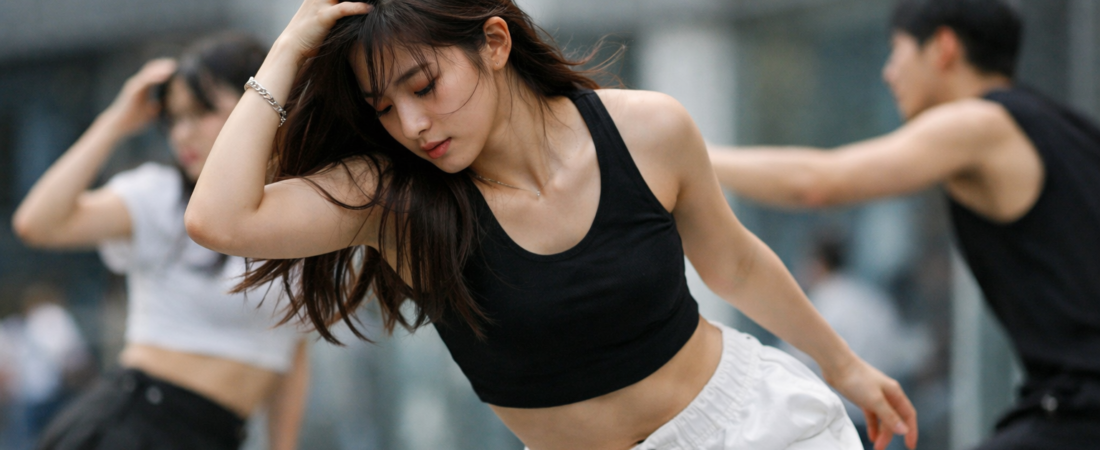
Why would an industry built on uniform group performance suddenly split by gender? Part of the answer lies in how idols are asked to sell themselves today. Individuality has become a currency, and different groups are cashing it in differently.
For boy groups, physical intensity has become a way to prove authenticity. Hard choreography signals effort, discipline, and skill. It answers a long-standing fan question: are these idols “really” performing, or just posing?
For girl groups, freer movement often connects to a broader trend toward personal branding. Solo projects, individual social media presence, and personality-driven fan content all reward distinct expression over group uniformity. Choreography is simply catching up to that reality.
Training systems play a role too. Korean entertainment agencies structure years of preparation before debut, and choreography style is often chosen to fit a group’s intended image. This is not just artistic instinct. It is a calculated business decision, dressed up as dance.
Global streaming platforms add another layer. Short-form video content favors individual moments over full group formations. A single expressive gesture can go viral more easily than a perfectly synced eight-count. According to Korea Herald, this contrast in choreography style is becoming more visible precisely as idols compete for attention in fragmented digital spaces.
What This Means for the Future of K-pop Performance
Where does this leave K-pop choreography going forward? Probably somewhere in between. Neither pure athleticism nor pure individuality tells the whole story of what makes a great stage.
The current gender split reveals something honest about the industry, and something worth questioning at the same time. On one hand, letting girl groups express individuality feels like a step toward creative freedom, breaking away from decades of rigid, uniform “girl group” choreography. On the other hand, pushing boy groups toward ever more extreme physical demands raises real concerns about long-term injury and burnout, concerns idols themselves have quietly raised before.
The hopeful sign is that some choreographers are already blending both approaches, using tight formations as a foundation while leaving room for personal flair within them. That middle path suggests the industry can grow without forcing performers into rigid gender boxes. If that balance spreads, K-pop choreography could become both safer and more expressive at once, rather than choosing one at the expense of the other.
K-pop choreography does not have to choose sides forever. As global audiences pay closer attention to how idols move, agencies may find that flexibility, not rigid gender formulas, keeps both artistry and athleticism alive. What do you think, should boy groups and girl groups keep moving in separate directions, or is it time for K-pop choreography to blend both styles into something new?
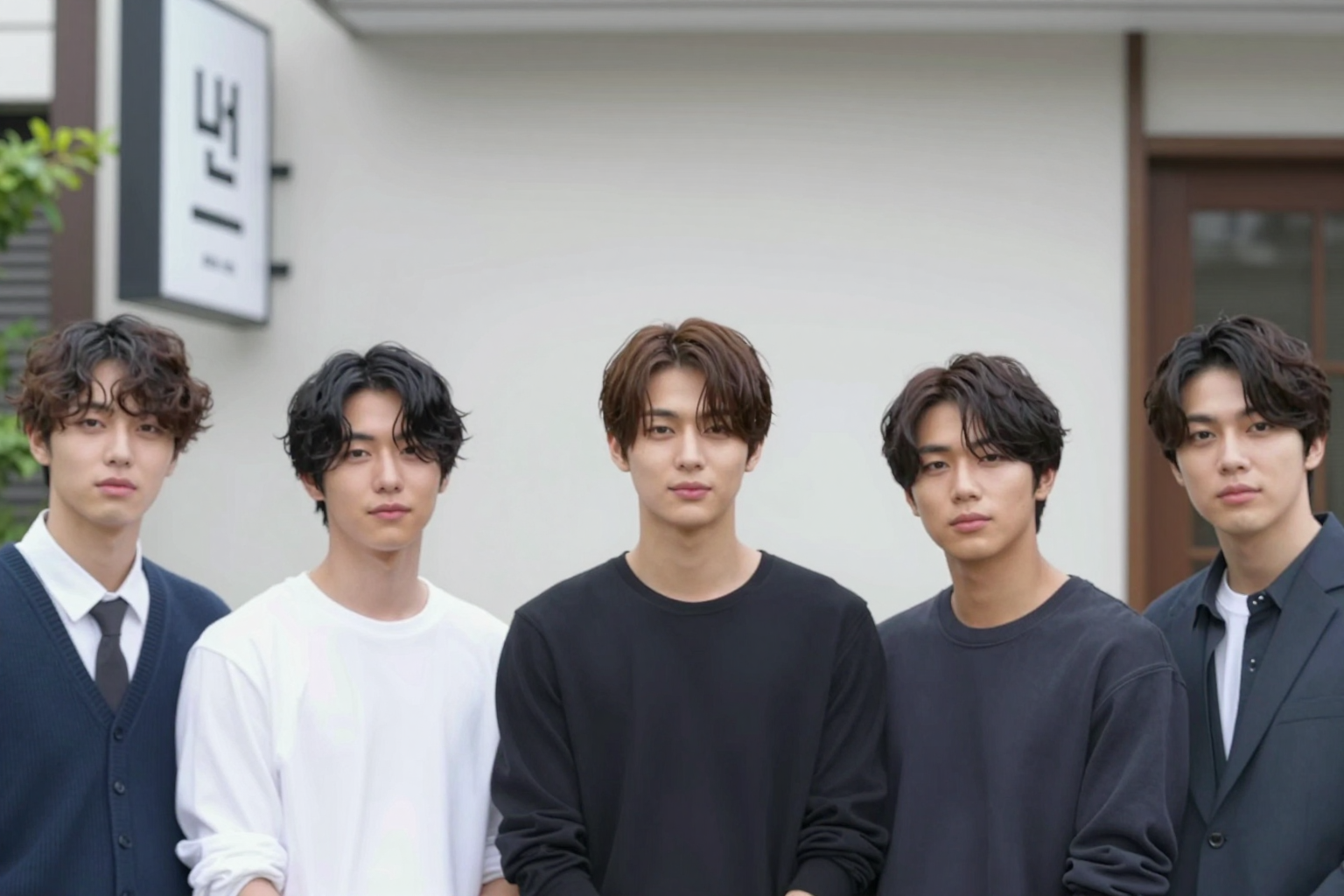
AI-Generated Photorealistic Image — All people, scenes, and details in this image are entirely AI-generated and fictional. Not a real photograph of an actual person or event. 이 이미지는 AI로 생성된 가상 이미지입니다.

Leave a Reply