
Ateez’s “Bad” and Enhypen’s “Bloody Paradise” both topped the Billboard 200 in 2026, driven by Brazilian funk beats. K-pop is now blending South American rhythms into its biggest album cycles. This shift shows how far the genre’s sonic reach has grown.
Have you noticed how K-pop songs sound different lately? That heavy, bouncing bass you hear isn’t trap or EDM anymore. It’s Brazilian funk, a genre born in the favelas of Rio de Janeiro, now powering some of the biggest comebacks of the year.
This isn’t a small trend buried in a b-side track. It’s showing up in title songs, the ones that carry an entire album cycle. And it’s working, at least commercially.
K-pop’s New Rhythm: Brazilian Funk Takes Over
Brazilian funk, known locally as funk carioca, is built on stripped-down, punchy beats. Think heavy 808 drums, repetitive hooks, and a raw street energy that feels far from Seoul’s polished studios. Yet somehow, it fits perfectly into K-pop’s current mood.
Ateez released “Bad” in June as the lead track from its 14th EP, “Golden Hour: Part.5.” Enhypen followed in August with “Bloody Paradise,” the centerpiece of its eighth EP, “The Sin: Bliss.” Both records debuted at number one on the Billboard 200, proving the sound resonates far beyond South America.
That’s a big deal. K-pop title tracks are chosen carefully. They represent months of planning, and they carry enormous financial and reputational weight for entertainment companies.
Choosing Brazilian funk as the flagship sound for two major comebacks in a single summer tells you something. This genre isn’t a passing experiment anymore. K-pop producers see real potential here, and listeners are responding with their wallets and their streams.
Why Ateez and Enhypen Chose This Sound

Why would two of K-pop’s biggest boy groups reach for a genre most Western listeners barely know? The answer lies in K-pop’s constant hunger for something fresh. Fans have heard trap breakdowns and EDM drops for years now.
Brazilian funk offers a different kind of intensity. It’s rawer, less polished, and built around rhythm rather than melody. For groups like Ateez, known for aggressive performance styles, that raw energy pairs naturally with sharp choreography and stage presence.
Enhypen’s “Bloody Paradise” takes a similar approach but wraps the funk rhythm in darker, moodier production. This shows K-pop producers aren’t just copying the genre. They’re adapting it, layering it with the group’s own identity.
That’s the real skill here. Anyone can sample a trending sound. Making it feel authentic to your group’s brand, while still respecting where it came from, is much harder.
You could call this K-pop’s ongoing talent for genre remixing (a tradition worth turning up the volume on). It’s part of why the industry keeps surprising even longtime fans.
A History of Genre-Hopping in K-pop

This isn’t K-pop’s first flirtation with a foreign, underground sound. The industry has borrowed from Jamaican dancehall, UK drill, Latin reggaeton, and American trap over the past decade. Each time, K-pop took the rhythm and reshaped it for its own performance-driven format.
Reggaeton’s influence is a good comparison point. Songs built around its distinctive dembow rhythm became common in K-pop around 2017 and 2018. It took a few years before the genre felt fully absorbed rather than borrowed.
Brazilian funk may follow the same path. Right now, it feels new and exciting inside K-pop. Give it a few years, and it might simply become another tool in the producer’s toolbox, used alongside trap and EDM without much comment.
This pattern matters because it reveals something about K-pop’s core identity. The genre was never meant to stay fixed. It survives by constantly absorbing outside influences and turning them into something recognizably its own.
You could read the Korea Herald report on this shift to see how industry insiders are framing the trend themselves. Their coverage traces the genre’s arrival with more detail on specific production choices.
What This Means for K-pop’s Global Future
So what happens next for K-pop and Brazilian funk? If history is any guide, more groups will experiment with the sound over the coming months. Success breeds imitation fast in this industry, and two number-one albums is a strong signal.
There’s a deeper question worth sitting with here. When K-pop borrows a sound born from a specific place and struggle, what does it owe back to that origin?
Music has always traveled across borders and blended into new forms. That exchange can create real connection, introducing global audiences to rhythms and communities they might never have encountered otherwise. But the same exchange can also flatten a genre’s roots, turning something meaningful into just another trend to be used and discarded once the next sound arrives.
The healthiest version of this exchange treats the source with respect, not just as raw material for a hit song. Some producers already do this well, crediting collaborators and acknowledging where a rhythm comes from. That kind of care doesn’t erase the tension between borrowing and belonging, but it points toward a more honest way of making global music together.
K-pop’s willingness to keep experimenting is exactly why it remains one of the most dynamic industries in global pop music. Brazilian funk won’t be the last unexpected influence to show up in a title track. What matters is whether the industry keeps learning from where these sounds originate, rather than simply moving on to the next trend.
Will Brazilian funk become a lasting part of K-pop’s sound, or just this year’s passing trend? What do you think about K-pop’s constant appetite for blending global genres into its own identity?
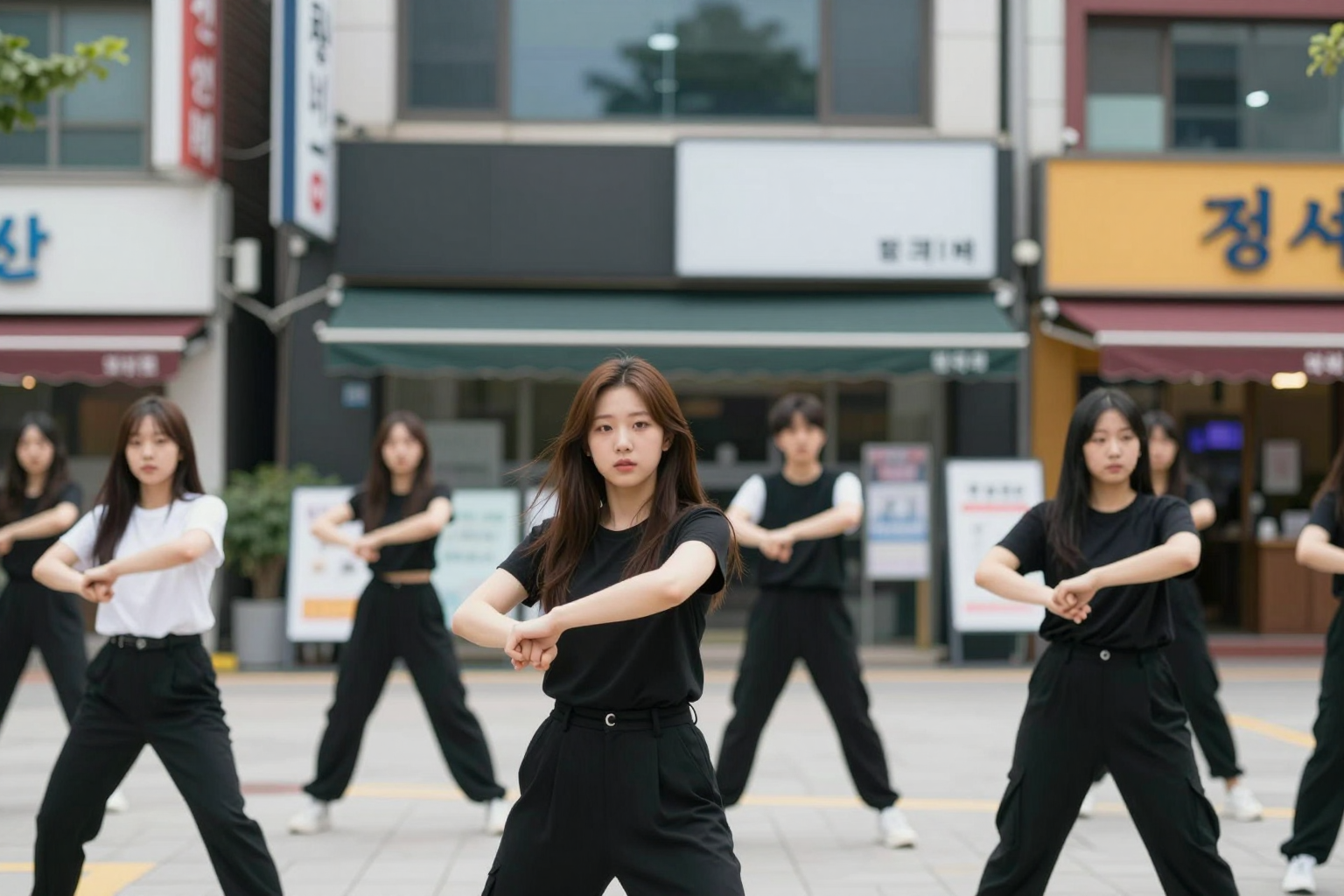
AI-Generated Photorealistic Image — All people, scenes, and details in this image are entirely AI-generated and fictional. Not a real photograph of an actual person or event. 이 이미지는 AI로 생성된 가상 이미지입니다.


Leave a Reply