
Table of Contents
J-pop streaming in Korea jumped 29.5% in a single year. Stars like Taeyeon and Lee Su-hyun are now covering J-pop hits and landing them on real-time charts. What was once dismissed as niche “otaku music” has moved into the mainstream of Korean pop culture.
J-pop Sheds Its Old Niche Image
For years, J-pop carried a specific label in Korea. People often connected it to anime fandoms and a small, dedicated group of listeners. That reputation is fading fast, and you can see it happening in real time on the charts.
Concerts by artists like Fujii Kaze are selling out. J-pop festivals such as Wonderlive are drawing large domestic crowds. Short-form hits are crossing over into Korean music broadcasts, something that rarely happened even five years ago.
Why does this matter now? Because streaming numbers rarely lie, and a 29.5% jump in one year tells you something structural is shifting. This is not a passing trend among a few fans; it’s a genre finding a much wider audience.
Taeyeon, Lee Su-hyun, and the Remake Wave

Nothing signals mainstream acceptance like a Korean superstar covering the source material. Taeyeon’s remake of “Man’s Song” and Lee Su-hyun’s version of “Blue Coral Reef” have both climbed high on domestic music charts. These are not indie experiments; they come from the “Gangnam J-pop Remake Project,” a deliberate effort to bring Japanese hits to Korean listeners.
Think about what this represents. When a K-pop icon like Taeyeon lends her voice to a J-pop song, she is not just performing a cover. She is telling millions of fans that this music belongs in their playlist, right next to their favorite Korean tracks.
Lee Su-hyun’s involvement carries similar weight. As a member of the duo AKMU and a well-established solo artist, her choice to embrace J-pop material sends a signal to the industry. Labels are noticing, and more remake projects are likely on the way.
You might wonder how unusual this really is in the history of Korean pop music. Japanese-Korean musical exchange has actually existed for decades, quietly, through licensing deals and songwriter collaborations behind the scenes. What’s different today is visibility — J-pop is no longer hidden in the credits; it’s front and center on the chart itself.
Why Gen Z and Gen Alpha Are Driving This Shift

Korean media now uses the term “Zalpha” to describe the combined Gen Z and Gen Alpha audience. This group did not grow up with the same cultural walls between Korea and Japan that older generations experienced. Streaming platforms and social media gave them direct access to Japanese music without any gatekeepers.
Short-form video played a huge role here. A catchy fifteen-second clip on a platform like TikTok can turn an unknown J-pop track into a chart contender within weeks. This is the same mechanism that has boosted countless K-pop songs globally, just working in reverse for once.
Isn’t it interesting how algorithms flatten borders faster than governments or industries ever could? A teenager in Seoul discovering a Tokyo-based artist through a fifteen-second clip has more cultural power than any official trade agreement. (Somewhere, a music executive is probably rewriting their entire marketing plan this week.)
This generational openness connects to broader shifts in how young Koreans consume culture generally. They move fluidly between K-drama, anime, K-pop, and J-pop without treating these as separate, competing categories. For them, it’s simply good music, regardless of the passport of the artist who made it.
What This Means for the J-pop and K-pop Market
The rise of J-pop in Korea does not signal a decline for K-pop. Instead, it points to a more open, blended regional music market. Korean labels are already responding, and remake collaborations like Taeyeon’s suggest a template other artists may follow.
According to Kyunghyang Shinmun, this trend reflects deeper streaming data and concert attendance figures that back up the anecdotal buzz. Numbers like the 29.5% streaming increase give the story real weight beyond social media chatter. That kind of measurable growth is hard for the industry to ignore.
Cultural exchange like this carries real complexity, not just celebration. Opening borders to J-pop can enrich Korean listeners, but it also raises honest questions about how local artists compete for the same limited chart space and streaming attention. The encouraging sign is that Korean musicians themselves are choosing collaboration over resistance, turning a potential rivalry into shared creative ground.
That kind of choice matters more than it might first appear. Every remake project, every joint festival lineup, and every chart-topping cover is a small decision to build bridges instead of walls. Whether that spirit continues will likely shape how Korean and Japanese pop music relate to each other for years to come.
Where does this leave the average listener? Probably better off, honestly. More access to more good music rarely hurts anyone, even if it does make playlist curation a little more chaotic.
J-pop’s momentum in Korea looks unlikely to slow down anytime soon. As remake projects multiply and festival lineups grow more international, the line between “Korean music” and “Japanese music” may keep blurring in your streaming feed. What do you think about J-pop’s growing presence in Korea’s mainstream music scene?
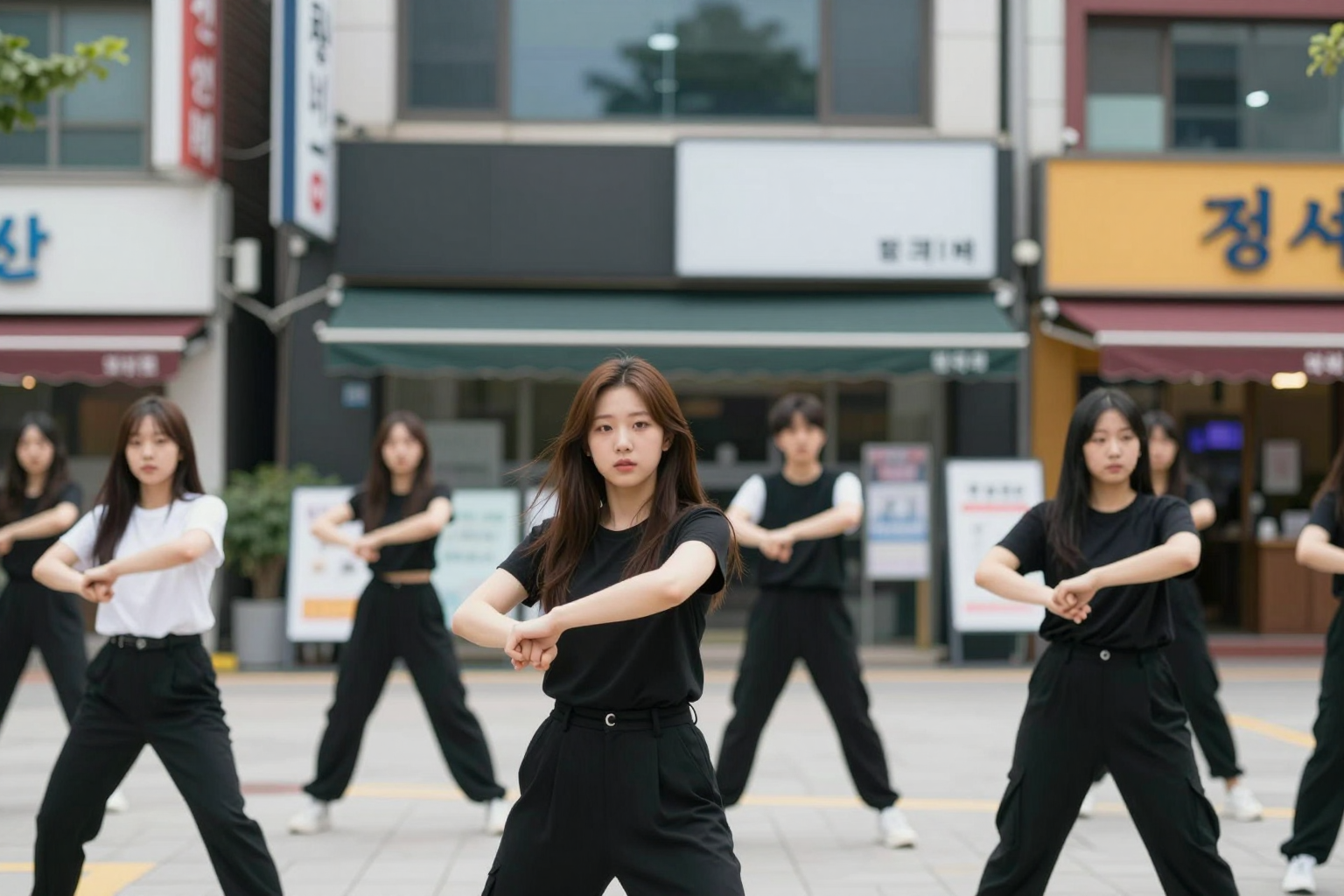
AI-Generated Photorealistic Image — All people, scenes, and details in this image are entirely AI-generated and fictional. Not a real photograph of an actual person or event. 이 이미지는 AI로 생성된 가상 이미지입니다.



Leave a Reply