Table of Contents
Seoul Arena, a new 28,000-seat venue in Dobong District, will start hosting K-pop concerts in the second half of 2027. Applications for rental slots already opened this month. The project marks the biggest shift in Korean concert infrastructure in years.
Why does a building matter this much? Because for years, K-pop concerts in Korea have run into a stubborn problem: not enough good venues.
Fans have watched artists perform in gymnasiums, outdoor stadiums, and repurposed sports arenas built for anything but music. That is about to change, and 2027 looks like the turning point.
A New Map for K-pop Concerts
Korea’s live music scene has always felt a bit improvised. Big stadiums exist, but they were built for baseball or soccer, not sound systems and stage rigging.
Smaller arenas exist too, but they often lack the seating capacity that today’s global fandoms demand. Have you ever wondered why so many K-pop tours skip Seoul stops or squeeze them into short runs?
Venue shortage is a big part of the answer. Now, three separate developments are converging in 2027 to reshape the map for K-pop concerts across the country.
A purpose-built arena in northern Seoul, a returning mega-stadium, and an upgraded satellite city are all entering the picture at once. That is not a coincidence — it is a coordinated response to years of demand outpacing supply.
Seoul Arena: The Centerpiece of Change
Seoul Arena is the headline story here. With 28,000 seats, it will be one of the largest indoor venues purpose-built for live entertainment in the country.
The complex also includes a mid-size hall for about 7,000 people, giving promoters flexibility. Want a massive stadium-style show? Book the main arena.
Planning something more intimate? The smaller hall works too, and both spaces can even combine for larger productions.
The venue runs on a build-transfer-operate model, with Kakao as lead investor. Once construction finishes, ownership shifts to the Seoul Metropolitan Government, while a Kakao-affiliated company operates the site for the next 30 years.
That structure blends public ownership with private-sector management — a model Korea has used before for infrastructure projects, but rarely for entertainment venues at this scale. One major booking, Fanomenon, is already locked in, signaling that industry players see real value here.
For K-pop concerts, this is more than a new building. It is a signal that Seoul wants a dedicated home for large-scale live music, something the city has genuinely lacked.
Stadiums, Goyang, and the Competition for Fans
Seoul Arena is not the only story. Korea’s largest stadium is also returning after a three-year overhaul, giving promoters another massive option for outdoor K-pop concerts.
Three years is a long wait in an industry that moves fast (imagine planning a world tour without knowing if your dream venue will even be open). Its comeback alone will shift where major tours choose to land.
Meanwhile, Goyang City is not sitting still. It has built a reputation as a reliable host for large concerts while Seoul’s venues were under construction, and now it is investing in upgrades to keep that business.
This is competition in its purest form — cities recognizing that concerts bring tourism, spending, and global attention. You can see why local governments care so much.
A single major K-pop concert can fill hotels, restaurants, and transit systems for an entire weekend. Losing that business to a neighboring city is not a small loss, and Goyang clearly understands the stakes.
What This Means for the Future of K-pop Concerts
Put these pieces together, and 2027 starts to look like a genuine turning point for K-pop concerts in Korea. More venues mean more shows, longer runs, and fewer fans left disappointed by sold-out tickets.
It also means more competition among cities to attract global tours, which could push ticket prices, production quality, and fan experience in new directions. Will this solve every problem in the industry?
Probably not — bigger venues do not automatically fix scalping, resale markups, or accessibility for international fans. But they do address one very real bottleneck that has frustrated both artists and audiences for years.
There is something worth sitting with here, beyond just construction timelines and seat counts. The rush to build bigger venues reflects a real hunger — fans wanting to be closer to the music they love, and cities wanting to be part of that connection.
But bigger stages do not always mean better experiences; sometimes scale can distance an artist from the very intimacy that made a fandom feel personal in the first place. The hopeful sign is that promoters now have room to choose the right space for the right moment, rather than forcing every show into whatever venue happens to be available.
Industry watchers, including outlets like Korea Times, will likely track how these new spaces perform once the first shows begin. The real test comes when Seoul Arena opens its doors and hosts its first full house.
Numbers on paper are one thing; the actual experience of sound, sightlines, and crowd energy is another. If Korea gets this right, K-pop concerts could become a smoother, more predictable part of the global touring circuit rather than a scramble for scarce dates.
That would benefit everyone — artists, agencies, cities, and most of all, the fans who fly in from around the world just for one night. What do you think — will Seoul Arena live up to the hype, or does the industry need more than just new buildings?
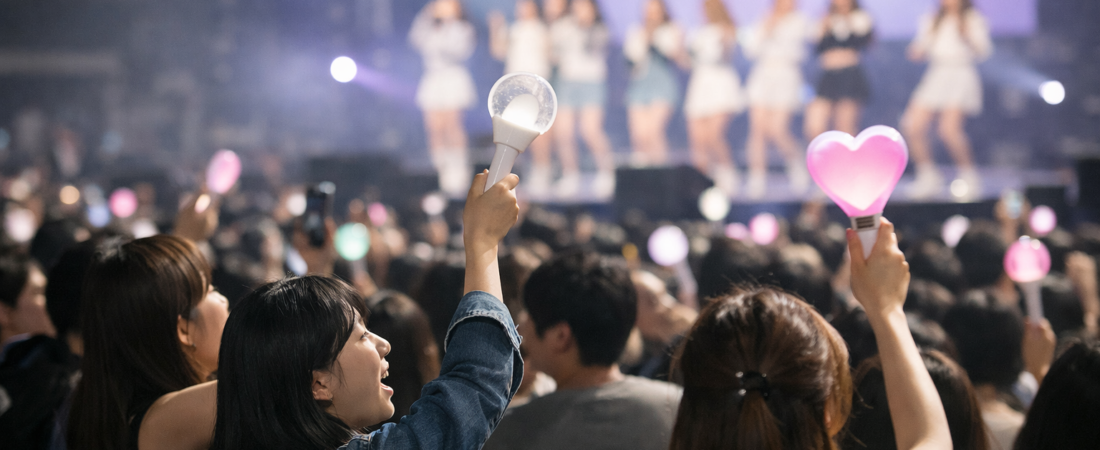
AI-Generated Photorealistic Image — All people, scenes, and details in this image are entirely AI-generated and fictional. Not a real photograph of an actual person or event. 이 이미지는 AI로 생성된 가상 이미지입니다.


Leave a Reply