
Table of Contents
Right now in Korea, social media users are furious over a fresh case of BTS piracy in China. A large Chinese online shopping platform was found selling illegal copies of BTS’s single “SWIM” this week. Professor Seo Kyoung-duk of Sungshin Women’s University called the sales out publicly, calling the situation “truly pathetic.”
This is not a small story. BTS remains one of the most recognized names in global pop culture, and its music carries real commercial and artistic value. So why does this keep happening, year after year, in the same market?
BTS Album Piracy Sparks Outrage in China
The controversy began when Professor Seo discovered that “SWIM,” a BTS single CD, was being sold illegally through a major Chinese e-commerce platform. He posted his findings on social media on September 15, sharply criticizing the sellers and the platform for allowing it. His message was blunt, and it struck a nerve with fans who have watched similar cases unfold before.
BTS is not a niche act you can quietly bootleg without notice. The group has sold tens of millions of albums worldwide and holds multiple entries on the Billboard Hot 100 chart. Selling unauthorized copies of their music, then, is not just a legal issue — it is a direct insult to years of creative work.
Have you ever bought something online, only to later realize it was fake? That frustration multiplies when the product involves an artist’s original work, protected by copyright law, and stolen without permission. For BTS fans, known globally as the ARMY, discovering counterfeit merchandise feels personal, not abstract.
Why This Matters for BTS and K-pop

BTS did not become global stars by accident. Behind the group stands a massive infrastructure of songwriters, producers, choreographers, and label staff whose income depends on legitimate sales. Every illegally sold BTS copy siphons revenue away from that entire ecosystem, not just the four members themselves.
K-pop’s global rise has made it a frequent piracy target, and BTS sits at the center of that exposure. Physical albums, which fans call “photocards” and collector packages, generate enormous revenue in this industry — far more than in most Western music markets. When counterfeiters copy these products, they undercut an entire business model built around collectible physical releases.
China’s massive e-commerce ecosystem, with platforms serving hundreds of millions of shoppers, makes enforcement genuinely difficult. (Imagine trying to police a marketplace larger than most countries’ entire populations — that is the scale problem here.) Still, scale is not an excuse; it is exactly why sustained pressure and monitoring matter so much.
This case also raises a bigger question about how seriously platforms take intellectual property complaints. If a company profits from third-party sellers, doesn’t it also carry responsibility for what those sellers list? That question sits at the heart of Professor Seo’s criticism, and it deserves a real answer from the platforms involved.
Seo Kyoung-duk’s Long Fight Against Cultural Piracy

Professor Seo Kyoung-duk has spent years campaigning against the misuse of Korean cultural content abroad. He has previously challenged mislabeled kimchi products, distorted historical claims, and unauthorized use of Korean cultural symbols in foreign markets. This BTS case fits a familiar pattern in his advocacy work.
His approach usually follows the same formula. Seo documents the violation with evidence, posts it publicly on social media, and pressures companies or platforms to respond quickly, before the story spreads further. That formula has worked before, pushing some companies to remove infringing listings after public backlash.
Why does one professor’s social media post carry so much weight? Because Korean public opinion moves fast, and companies operating internationally know that reputational damage in Korea can spread to global headlines within days. You could call this reputational leverage the unofficial enforcement mechanism that fills gaps left by slow legal processes.
For readers outside Korea, this pattern says something important about how cultural protection actually works today. Legal systems move slowly, especially across borders, but public pressure moves fast. Seo’s activism illustrates a broader truth: sometimes the loudest legal deterrent is a single credible voice with a large enough audience.
What Comes Next for K-pop Copyright Protection, BTS
The BTS “SWIM” case will likely follow a familiar timeline. Public pressure builds, the platform faces criticism, and listings eventually disappear, at least temporarily. But new sellers often reappear weeks or months later, which shows why one-time takedowns rarely solve the underlying problem.
Long-term solutions require cooperation between Korean entertainment companies, Chinese platforms, and government trade offices on both sides. Some progress has already happened through international copyright agreements and platform-level reporting tools, cited by organizations tracking global anti-piracy efforts, including groups referenced by Maeil Business Newspaper in their coverage of similar cases. Still, enforcement remains inconsistent across regions and platforms.
What should you take away from this, as a fan or observer watching from outside Korea? BTS’s global fame has always been a double-edged reality. That same visibility that built a worldwide fanbase also makes the group an easy, repeated target for counterfeiters chasing quick profit.
The deeper tension here is not really about one shopping platform or one CD. It reflects how creative work loses protection the moment it crosses borders into markets with weaker enforcement, and that gap hurts everyone who depends on honest commerce. Yet there is real reason for hope, too, since public figures like Professor Seo, alongside stronger cross-border partnerships between platforms and rights holders, keep proving that accountability is possible when enough people refuse to look away.
This story matters beyond Korea’s borders because it touches every fan who has ever bought merchandise online, anywhere in the world. If you care about supporting artists you love, understanding how piracy actually works helps you make smarter, more informed choices. What do you think platforms owe artists like BTS when illegal sales happen on their watch?
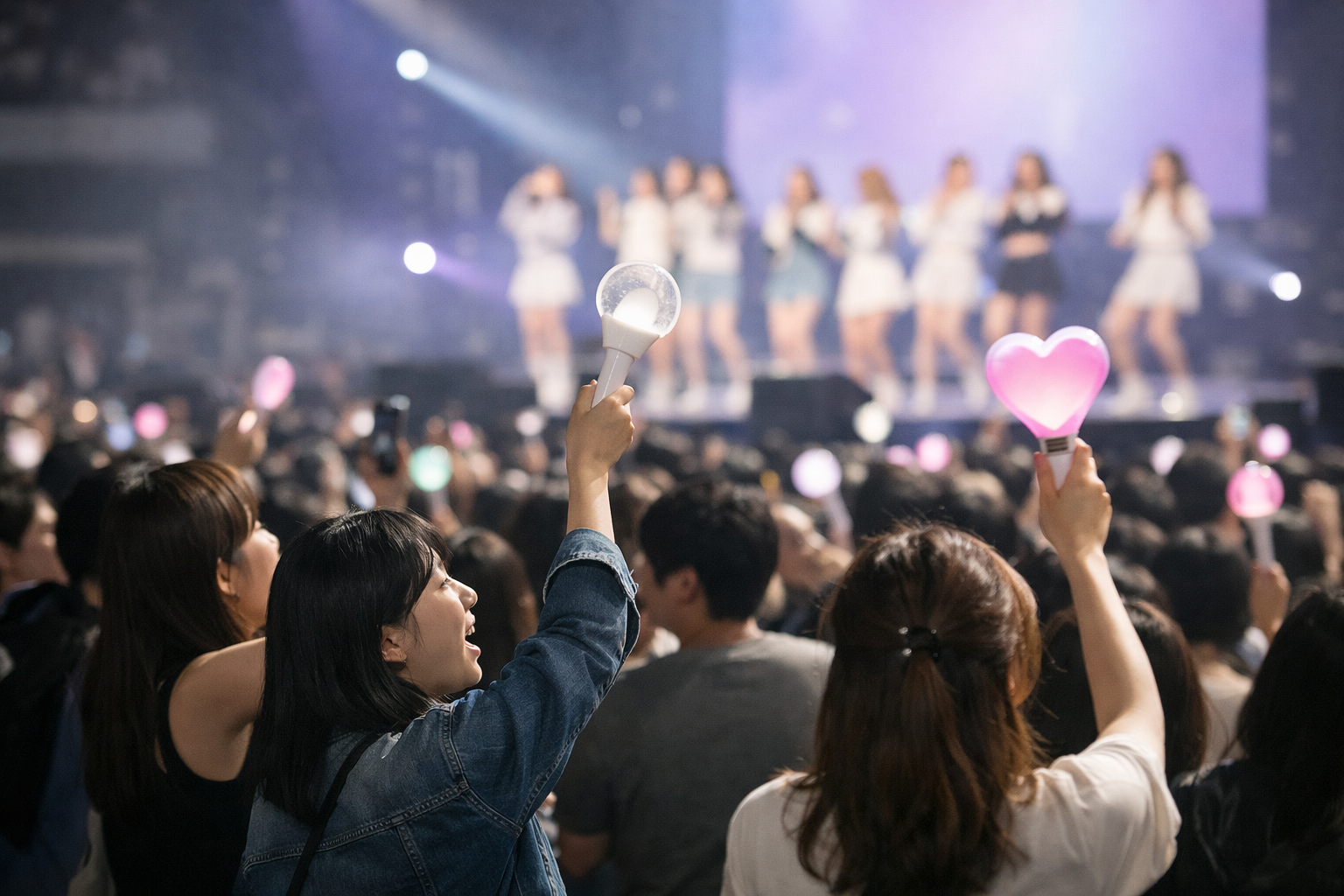
AI-Generated Photorealistic Image — All people, scenes, and details in this image are entirely AI-generated and fictional. Not a real photograph of an actual person or event. 이 이미지는 AI로 생성된 가상 이미지입니다.



Leave a Reply