
Table of Contents
Nineteen out of twenty-three major tourist sites on Baengnyeongdo lack basic visitor facilities, according to a recent survey. That means roughly 83 percent of the island’s attractions fall short on things like restrooms, signage, and parking. For an island known for dramatic coastal scenery, this gap matters a lot to travelers planning a visit.
Have you ever heard of Baengnyeongdo? Many travelers haven’t, and that’s part of what makes it fascinating.
This remote island sits at the northwestern edge of South Korea’s territorial waters, closer to North Korea than to Incheon’s mainland. Getting there takes real effort, and once you arrive, the reward is stunning natural beauty. But a new report suggests that beauty alone may not be enough to keep visitors coming back.
What the Baengnyeongdo Survey Found
The survey looked at 23 designated tourist spots across Baengnyeongdo and rated their visitor readiness. Nineteen of these locations scored poorly, largely due to missing or insufficient amenities. Think inadequate restrooms, limited parking, weak signage, and a general lack of rest areas for travelers.
This isn’t just a minor inconvenience. When a destination lacks basic infrastructure, visitors tend to shorten their stay or skip return trips altogether. For an island that depends heavily on tourism revenue, that’s a serious concern.
The report, covered by Yonhap News Agency, calls for targeted investment to fix these gaps. Officials say the goal is to boost Baengnyeongdo’s competitiveness as a travel destination. Without these upgrades, the island risks losing visitors to more accessible alternatives elsewhere in Korea’s West Sea region.
What kind of improvements are we talking about? Mostly practical things: better restroom facilities, clearer trail markers, expanded parking near key viewpoints, and rest shelters along popular walking routes. None of this is glamorous, but all of it shapes whether a traveler leaves happy or frustrated.
Why Baengnyeongdo Is Worth the Trip
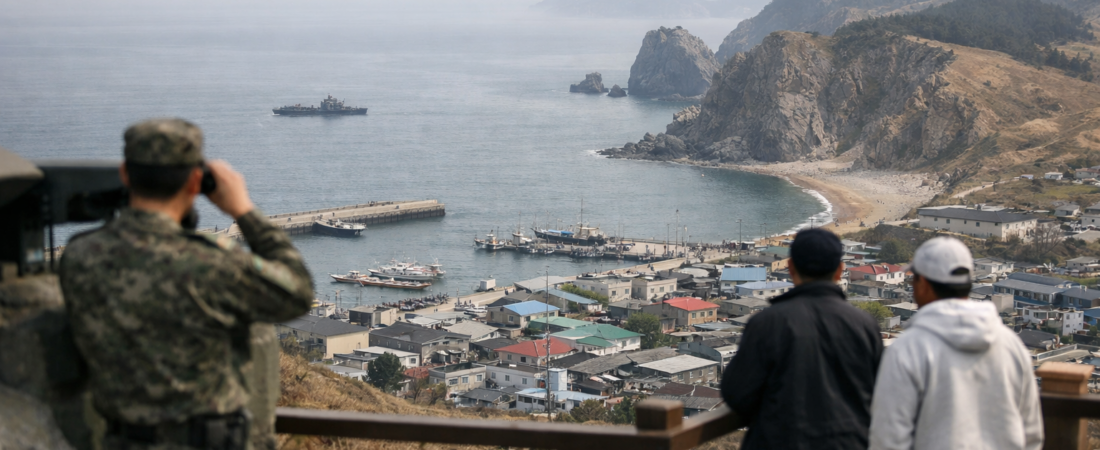
So why does Baengnyeongdo attract visitors despite the long journey? The island offers some of Korea’s most striking coastal landscapes, including Dumujin Beach’s volcanic rock formations and Sagot Beach, famous for its firm sand that once served as an emergency airstrip.
Baengnyeongdo also holds strategic and historical significance. It sits near the Northern Limit Line, the maritime border with North Korea, giving visitors a rare glimpse into Korea’s ongoing division. This proximity adds a layer of meaning you won’t find on more typical resort islands.
Local seafood is another draw, with fresh crab and abalone drawing food-focused travelers. The island’s slower pace offers a contrast to Seoul’s fast rhythm (a nice change of scenery, and lungs, for city dwellers). Yet none of these strengths matter much if basic visitor infrastructure keeps falling short.
What to Expect Before You Go

If you’re considering a visit to Baengnyeongdo, preparation matters more than usual. The island is reachable only by ferry from Incheon, and the journey takes about four hours depending on sea conditions. Weather delays are common, so flexible travel plans help a lot.
Given the current state of facilities, packing smart makes a real difference. Bring your own water, snacks, and any personal essentials, since convenience stores near remote attractions are limited. A portable phone charger and printed maps are also wise, since cell signal can be spotty in certain coastal areas.
Should this discourage you from visiting? Not necessarily. Many travelers find that the raw, undeveloped nature of Baengnyeongdo is part of its charm.
Still, knowing what to expect beforehand helps you avoid frustration during your trip. Checking ferry schedules and weather forecasts a day or two ahead is essential. Local tourism offices in Incheon can also provide updated information on which sites currently have working facilities.
The Road Ahead for Baengnyeongdo Tourism
Improving infrastructure across 19 underdeveloped sites will take time, funding, and careful planning. Local officials have acknowledged the gap and expressed intent to prioritize upgrades in coming years. This kind of honest assessment is a necessary first step toward real change.
It’s worth naming the tension here directly. An island this remote often struggles to attract the same investment that flows to mainland destinations, and that imbalance shapes everyday life for residents just as much as it shapes the visitor experience.
At the same time, hope shows up in concrete ways: local governments have begun conducting these detailed facility assessments precisely because they intend to act on the findings, and community leaders on the island have long pushed for exactly this kind of attention. Progress on remote islands rarely moves fast, but naming the problem clearly is often what makes eventual repair possible.
There’s something universally human in this story too. Communities in isolated places often show remarkable resourcefulness, building tourism programs and hospitality traditions with limited resources and quiet determination.
But that same resourcefulness can also mask real strain, when residents stretch themselves thin trying to welcome visitors without adequate support from outside. Recognizing both sides, the resilience and the quiet burden behind it, gives us a fuller and more honest picture of what island life actually requires.
Baengnyeongdo’s story is really a broader Korean story about balancing preservation with development. The island’s isolation protects its natural beauty, but that same isolation limits the resources available to maintain it properly. Finding that balance will define whether Baengnyeongdo thrives as a destination in the years ahead.
For travelers, this is actually useful information rather than a discouragement. Knowing that Baengnyeongdo is a work in progress lets you set realistic expectations and appreciate the island’s raw character. Future visitors may find a very different experience if these planned improvements move forward.
Would you still want to visit an island like Baengnyeongdo, even knowing its facilities need work? What matters more to you when traveling: polished convenience or authentic, untouched landscapes?
AI-Generated Photorealistic Image — All people, scenes, and details in this image are entirely AI-generated and fictional. Not a real photograph of an actual person or event. 이 이미지는 AI로 생성된 가상 이미지입니다.



Leave a Reply