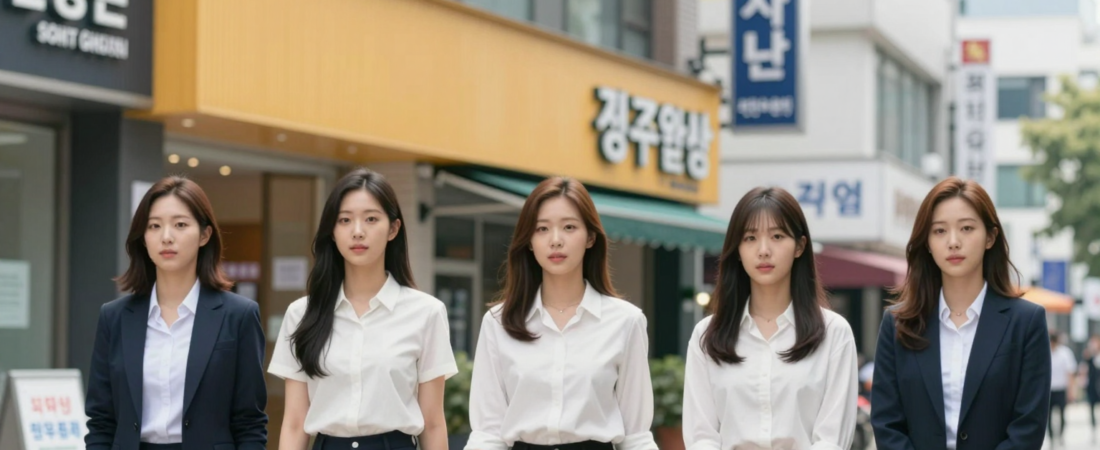
Girls’ Generation Fans Get a New Reason to Celebrate
Girls’ Generation is preparing to celebrate its 20th anniversary in August next year, and a new subunit is already stealing the spotlight. Called “Hyoreesoo,” the trio brings together Hyoyeon, Yuri, and Sooyoung. Their upcoming track “Skibidi” has fans buzzing months before it even drops.
Why does a single subunit spark this much excitement? Because Girls’ Generation has spent two decades building a fandom that treats every new combination like a small event. This time, the anticipation feels bigger than usual.
Why Girls’ Generation Subunits Matter So Much
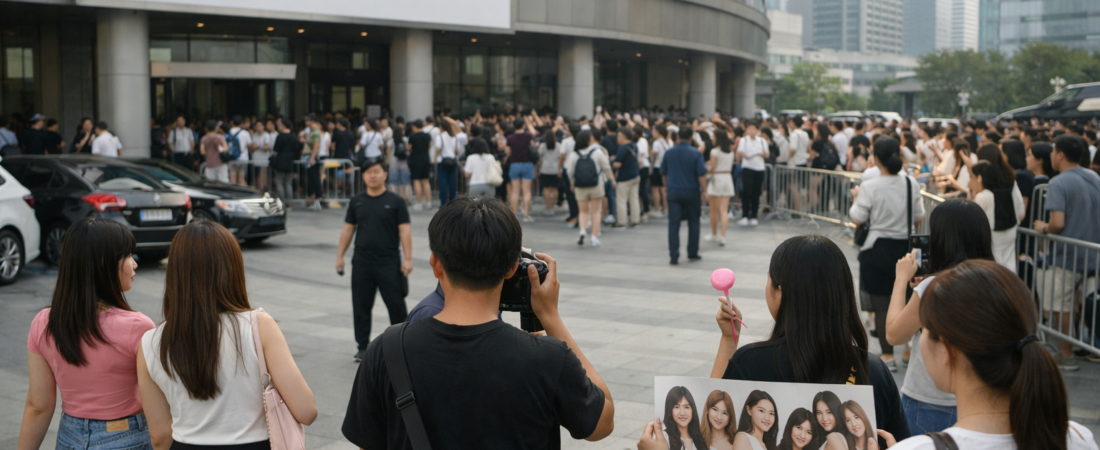
Girls’ Generation was never just one group. It was always nine distinct personalities, and Korean fans learned early to appreciate the smaller combinations inside the bigger whole.
TaeTiSeo, made up of Taeyeon, Tiffany, and Seohyun, set the template back in 2012. That subunit proved Girls’ Generation members could carry solo-style success without losing their connection to the main group.
Hyoreesoo now enters that same lineage, but with a different flavor. Hyoyeon, Yuri, and Sooyoung represent the group’s more playful, dance-driven side, rather than TaeTiSeo’s vocal-forward image.
That contrast is exactly what makes Korean entertainment writers frame this as “TaeTiSeo versus Hyoreesoo.” Some fans push back, joking it should be “Hyoreesoo versus TaeTiSeo” instead, since word order matters more to Korean fandom culture than most outsiders realize. (Yes, people really do argue about which name goes first.)
Either way, the comparison shows something important. Girls’ Generation subunits are not filler content between full group activities.
They are their own creative statements, judged on their own terms by a fandom that has followed this group for twenty years.
Beyond Variety Shows: A New Model for K-pop Girl Groups
Hyoyeon, Yuri, and Sooyoung built massive individual profiles through Korean variety television over the past several years. Sooyoung became a familiar face on talk shows and dramas, Yuri built a strong presence in entertainment programming, and Hyoyeon carved out her own space as a DJ and reality show personality.
So does Hyoreesoo simply cash in on that variety show fame? That question sits at the center of ongoing conversation in Korean entertainment media, including coverage from The Kyunghyang Shinmun.
The more interesting possibility is that Hyoreesoo becomes something more permanent. Girls’ Generation has always used subunits to keep the group culturally relevant between full comebacks.
If Hyoreesoo succeeds musically, not just as a variety show curiosity, it could set a new standard for how K-pop groups extend their lifespan. Many girl groups debut, peak within a few years, then fade as members pursue individual paths.
Girls’ Generation offers a different model entirely. Twenty years in, the group still generates fresh combinations that feel genuinely new rather than recycled.
That longevity is rare in an industry built on constant turnover and short trend cycles.
What Hyoreesoo Tells Us About Girls’ Generation’s Legacy
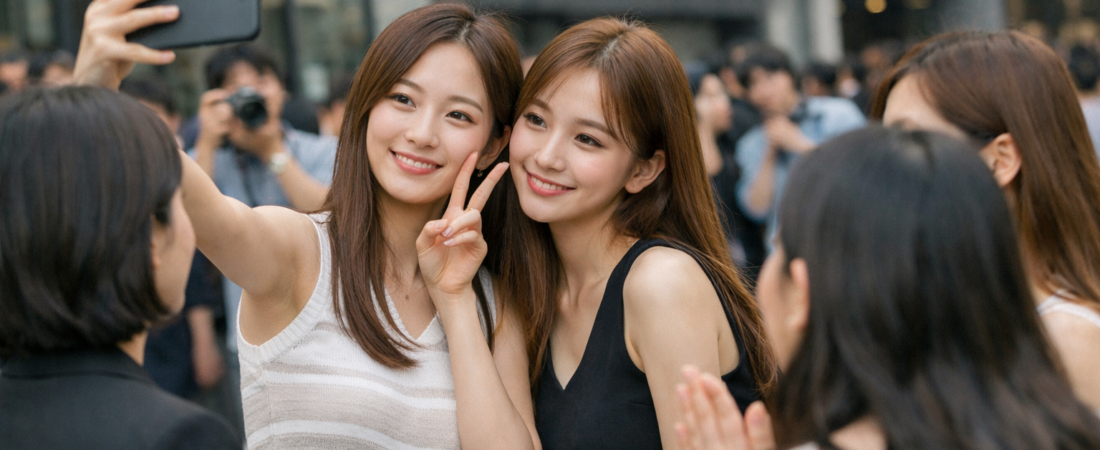
Girls’ Generation debuted in 2007, when the K-pop industry looked completely different. Fewer companies existed, group sizes were smaller, and global streaming had not yet reshaped how fans discovered new music.
The fact that this group can still generate headlines in 2026 says something about how durable good group chemistry really is. Nine distinct personalities, given room to combine in new ways, apparently never run out of new stories to tell.
There is a quieter lesson here too, one that goes beyond chart numbers or streaming counts. Long-running groups like Girls’ Generation succeed partly because members are allowed to grow as individuals first.
Hyoyeon’s DJ career, Yuri’s acting roles, Sooyoung’s variety show presence — these were not distractions from the group. They became the raw material that makes Hyoreesoo interesting now.
That same individual growth, though, carries a real cost. Members who build strong solo identities sometimes drift apart from the group dynamic that made them famous in the first place, and reunions can feel more like scheduled events than organic creative choices.
The encouraging sign is that Girls’ Generation has managed this tension better than most. Members return not out of obligation but because the group still offers something their solo careers cannot replicate — a shared history and a fandom that has grown up alongside them for two decades.
Whether Hyoreesoo becomes a lasting model for other groups, or simply a nostalgic gift to loyal fans, one thing seems clear. Girls’ Generation keeps finding new ways to stay relevant without abandoning what made fans love them in the first place.
Will other veteran K-pop groups follow this subunit strategy as they age past their tenth or fifteenth anniversaries? And what does Hyoreesoo’s success or failure next August tell us about how much room legacy girl groups still have to experiment?
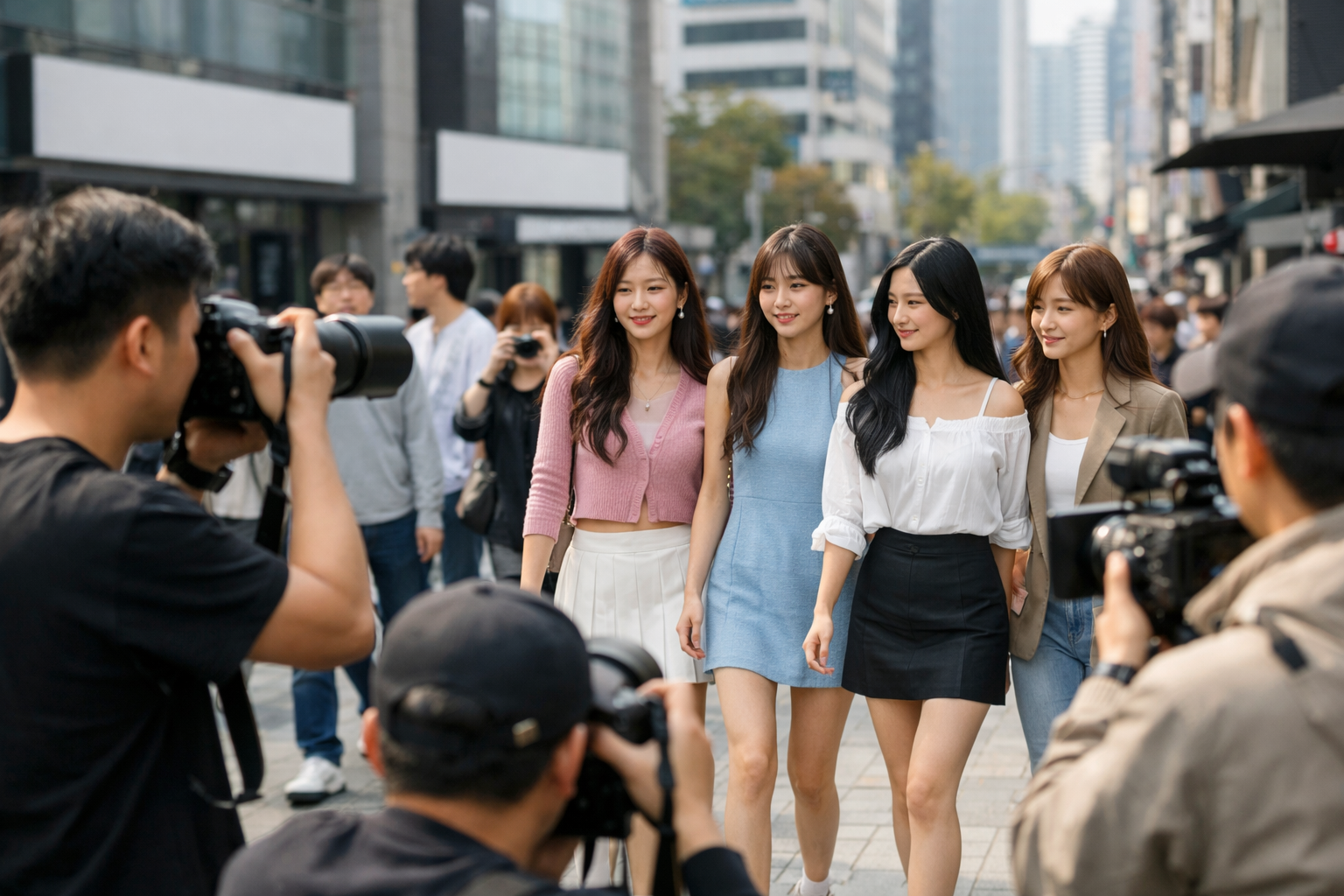
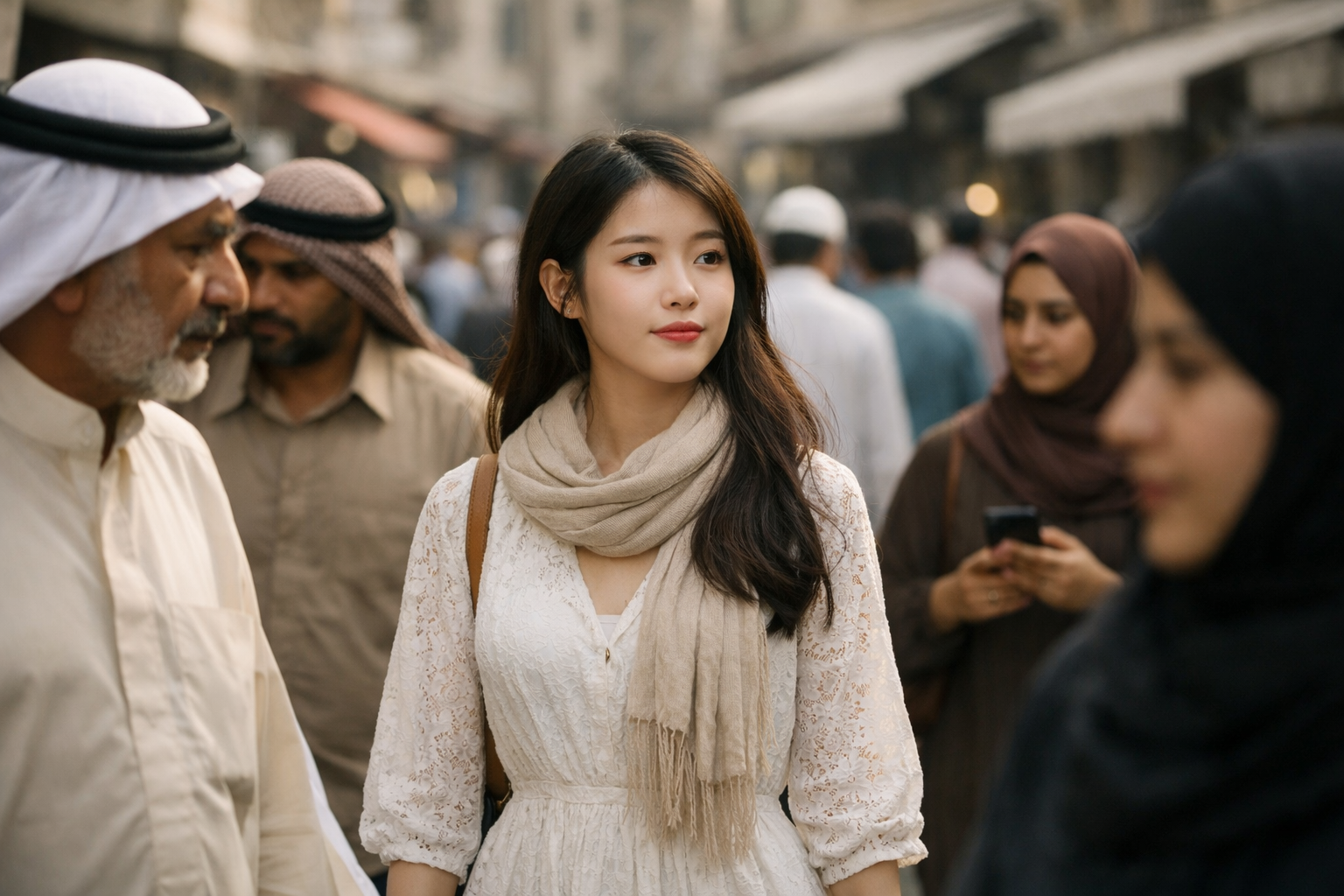
AI-Generated Photorealistic Image — All people, scenes, and details in this image are entirely AI-generated and fictional. Not a real photograph of an actual person or event. 이 이미지는 AI로 생성된 가상 이미지입니다.


Leave a Reply