
Table of Contents
Psychiatrist Lee Geun-hoo, known across Korea as the “Nepal Schweitzer,” has died. He was the first doctor in Korea to introduce psychodrama therapy and spent decades climbing mountains and treating patients in Nepal. His parting message, “live joyfully until you die,” is now spreading widely among mourners.
What does it mean to be called a “Schweitzer” of anywhere? It usually means someone gave up comfort to serve people far from home, quietly and for years.
Lee Geun-hoo earned that title the hard way, through decades of unpaid medical trips and mountain treks most of us would never attempt.
Who Was Lee Geun-hoo
Lee Geun-hoo built his early career as a groundbreaking psychiatrist in South Korea. He introduced psychodrama, a form of therapy using role-play and dramatic reenactment, to Korean clinical practice for the first time. This was not a small achievement.
In the mid-20th century, Korean psychiatry leaned heavily on traditional talk therapy and medication. Lee Geun-hoo believed patients needed something more active, a way to physically act out their pain rather than just describe it. That belief shaped how generations of Korean therapists later approached emotional healing.
But Lee Geun-hoo never stayed inside a single professional lane. He was also a serious mountaineer, drawn to Nepal’s Himalayan peaks long before international trekking became fashionable. That love of the mountains eventually turned into something much bigger than personal adventure.
A Life Between Seoul and Kathmandu
Nepal changed Lee Geun-hoo’s direction entirely. What began as mountain expeditions turned into a lifelong commitment to medical service in one of the world’s poorest regions. He organized and joined medical missions, bringing psychiatric care and general health support to communities with little access to either.
Why would a respected Korean professor keep returning to remote Nepali villages instead of staying comfortable in Seoul? Perhaps because he saw something in Nepal that reminded him why he became a doctor in the first place. Medicine, for Lee Geun-hoo, was never only about diagnosis and treatment.
It was about presence, showing up for people others had overlooked. His nickname, the “Nepal Schweitzer,” referenced Albert Schweitzer, the Alsatian physician famous for decades of medical service in Africa. Korean media adopted that comparison because Lee Geun-hoo’s dedication felt equally rare and equally selfless.
You can read more background on his career and the broader context of Korean medical volunteerism through Yonhap News Agency.
The Legacy of Lee Geun-hoo’s Final Words
Lee Geun-hoo left behind a phrase that is now being repeated across Korean social media and news outlets: “live joyfully until you die.” Simple words, but they carry real weight coming from a man who spent his final decades serving strangers in a foreign land. It sounds almost too simple, doesn’t it?
Yet maybe that is exactly the point. Lee Geun-hoo did not frame a joyful life as one free of hardship or sacrifice.
His own life included freezing mountain climbs, limited medical resources, and years away from home comfort. Joy, in his telling, was not the absence of difficulty. It was a choice made daily, even inside difficulty, and that distinction matters for how Koreans are now remembering him.
Why His Story Still Matters
Korea’s rapid modernization often gets told as a story of economic growth, technology, and global soft power through K-pop or K-dramas. Lee Geun-hoo’s story adds a quieter chapter to that narrative. It is one of humanitarian service, built slowly, without headlines, over half a century.
There is an honest tension worth naming here. Korea, like many wealthy nations, sometimes measures success mainly through status, income, or visibility, and figures like Lee Geun-hoo can be easy to overlook in that culture until they are gone.
But his story also shows the other side clearly: a growing number of Korean doctors, teachers, and volunteers now follow similar paths into Nepal, Southeast Asia, and parts of Africa, often inspired directly by his example. Recognition may come late, but it does come, and it plants seeds for the next generation.
Human dedication like this rarely comes without cost. Lee Geun-hoo’s family and colleagues certainly felt the weight of his long absences and demanding travel, and no life of service is free from that kind of quiet sacrifice at home.
Still, his closing message was not one of regret. It was an invitation to find joy inside a life spent giving something away, which is a harder and more honest kind of hope than simple celebration.
Lee Geun-hoo’s death marks the end of a remarkable chapter, but not the end of his influence. His psychodrama methods continue shaping Korean mental health care, and his Nepal clinics likely continue serving patients today. What can we learn from a life measured not in achievements, but in years quietly given to others?
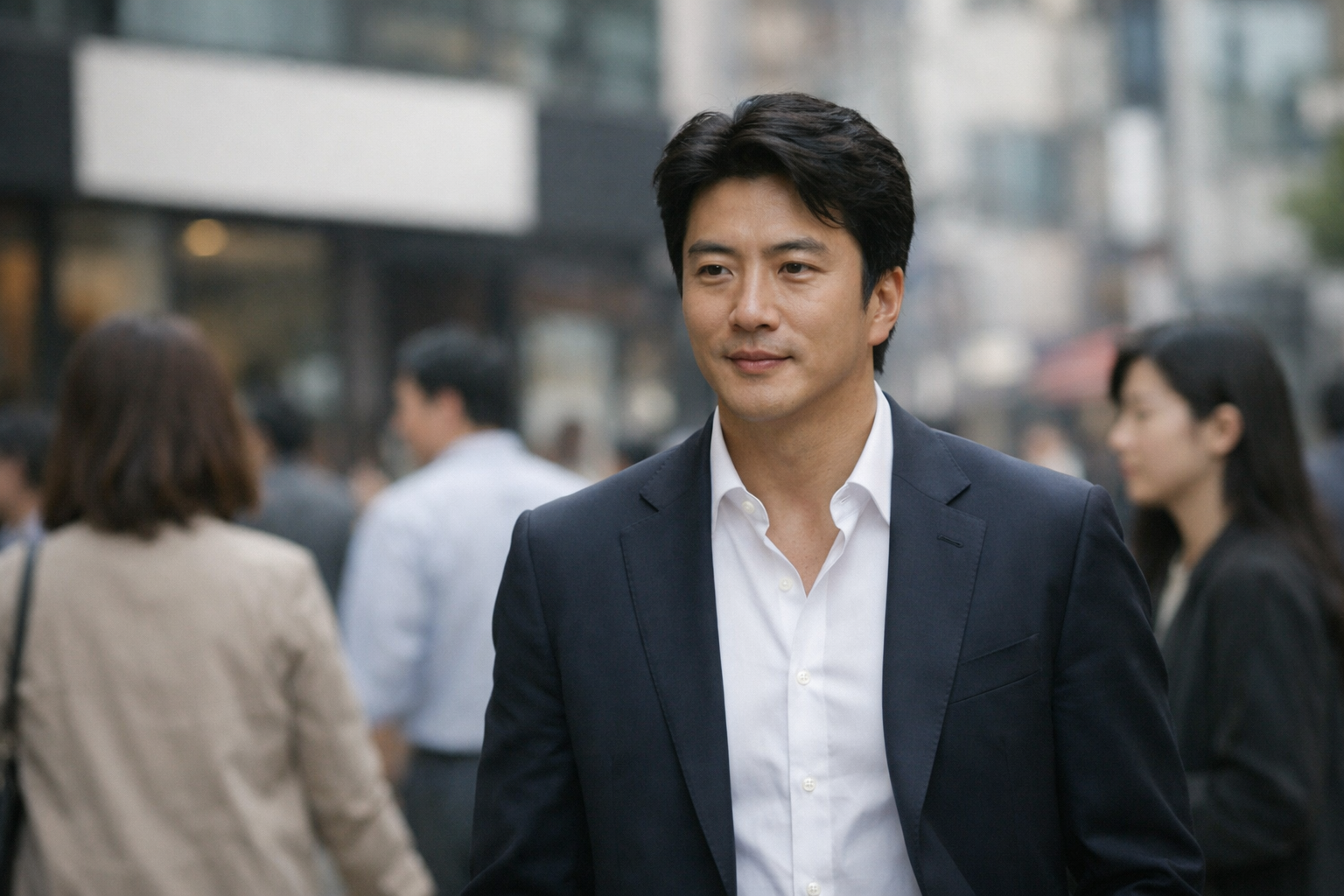
AI-Generated Photorealistic Image — All people, scenes, and details in this image are entirely AI-generated and fictional. Not a real photograph of an actual person or event. 이 이미지는 AI로 생성된 가상 이미지입니다.



Leave a Reply