Table of Contents
Can you imagine a father allegedly protecting his son’s shady dealings while the son investigates a murder case? That is exactly the scandal now rocking Korean politics. The Democratic Party is demanding a full re-investigation, and it says something far more serious than bad police work happened here.
This story involves a horrific crime, a police officer’s family, and now a political fight over who controls Korea’s investigations. Let’s break down what happened, why the Democratic Party is so angry, and what comes next.
The Gwangju Case That Shook Public Trust
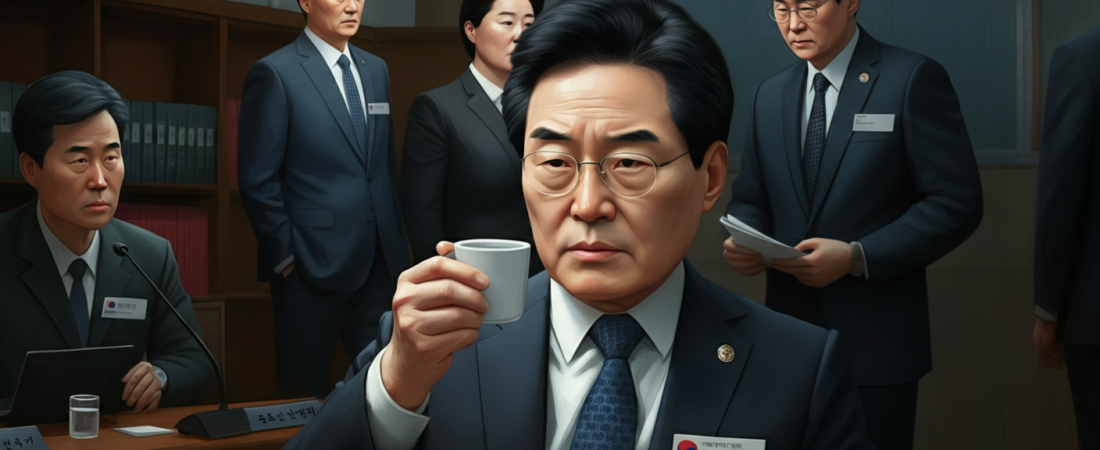
The case centers on the murder of a high school girl in Gwangju. The confessed killer, identified as Jang Yun-gi, is now at the center of a much bigger controversy. Why? Because allegations have surfaced that a sitting police official’s father was involved with the original investigation team in troubling ways.
Reports suggest possible collusion between this father and the officers handling the case. That is not a minor accusation. If evidence was hidden or destroyed to protect someone connected to law enforcement, the entire case falls under a cloud of doubt.
Think about what that means for the victim’s family. They trusted the system to find the truth. Instead, they may have gotten a cover-up dressed up as due process.
Korean society takes violent crimes against young people especially seriously, and this case is no exception. Public anger has grown quickly since the collusion allegations emerged. That anger is now spilling directly into the National Assembly, with politicians on both sides using the case to make bigger arguments about police power.
The Democratic Party Says This Was Complicity, Not Carelessness
Here is where the Democratic Party has drawn a hard line. Spokesperson Park Kyung-mi did not call this a “sloppy investigation.” She called it complicity, plain and simple.
That word choice matters a lot. A sloppy investigation implies mistakes, maybe laziness, maybe poor training. Complicity implies something darker: officers actively helping cover up wrongdoing.
Park Kyung-mi insisted that everyone involved in destroying or omitting evidence must face investigation, not just one bad actor. The Democratic Party wants the net cast wide, covering anyone who touched this case and looked the other way. Isn’t that exactly what victims deserve — accountability that goes beyond a single scapegoat?
The Democratic Party also took direct aim at the police’s own response. Officers announced an internal reform plan following the scandal, but Park Kyung-mi dismissed it as nothing more than damage control. She argued the plan does nothing to address the root problem: police investigating themselves when their own colleagues may be implicated.
This is not the first time the Democratic Party has questioned how Korean police handle internal misconduct. But the timing here is striking. A young victim, a police family connection, and an internal reform plan announced right after public backlash — critics say the sequence looks more reactive than genuine.
You have to ask yourself: can police reform themselves when the alleged wrongdoing sits inside their own ranks? That question is exactly why the Democratic Party is pushing so hard for outside, independent re-investigation instead of trusting an internal fix.
People Power Party Fires Back on Police Power
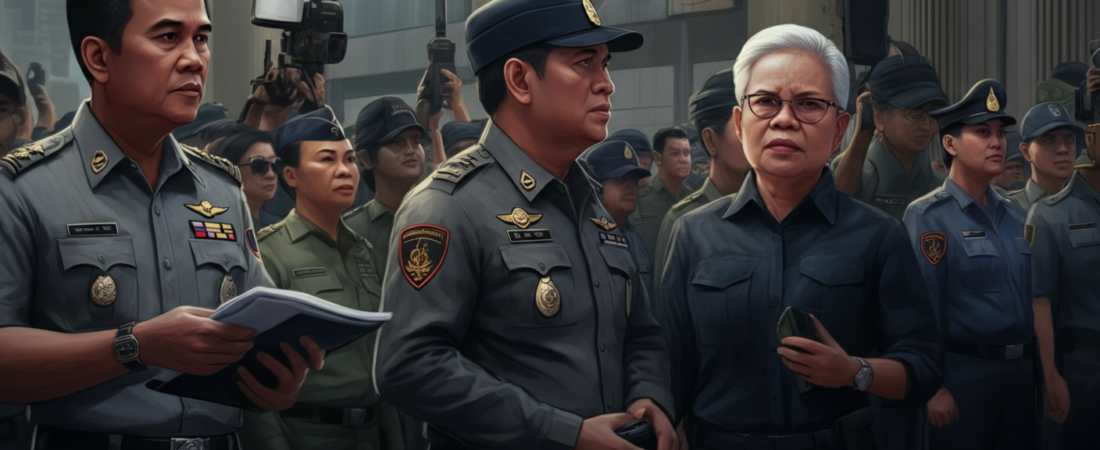
Naturally, the opposition People Power Party saw an opening here too. Their argument flips the script entirely. They say this scandal proves police investigative power has grown too concentrated, too unchecked.
For context, Korea restructured its investigative system in recent years, giving police more independent authority that once belonged mostly to prosecutors. The Democratic Party championed much of that shift. Now, the People Power Party argues this Gwangju case shows exactly why that concentration of power was risky in the first place.
Their specific demand? Stop the Democratic Party‘s ongoing push to eliminate prosecutors’ supplementary investigative authority entirely. That authority currently lets prosecutors step back into cases when police investigations look flawed or incomplete. Without it, critics argue, a case exactly like this one could slip through the cracks with zero outside oversight.
Isn’t there some irony here? The party that expanded police power is now demanding police accountability, while the party that opposed that expansion is using this scandal as proof they were right all along. Politics in Korea often works this way — a single case becomes ammunition for a much larger structural debate.
You can read more background on Korea’s investigative authority reforms and their political history through outlets like Yonhap News Agency, which has tracked this debate closely over several years.
What This Fight Means for Korea’s Investigative Future
So where does this leave ordinary Korean citizens? Right in the middle, honestly. Both parties claim to want justice for the Gwangju victim, but they disagree completely on the fix.
The Democratic Party wants a full, independent re-investigation that treats this as organized wrongdoing, not a simple mistake. Meanwhile, the People Power Party wants to slow down — or reverse — the broader trend of giving police more unchecked authority. Both arguments have real merit, and that is what makes this case so politically charged.
History offers some perspective here. Korea has seen investigative scandals before, particularly cases where family or personal connections to officials seemed to influence outcomes. Each time, public trust in institutions takes a hit that lasts far longer than the news cycle. That is exactly why the Democratic Party‘s language — calling this complicity rather than error — carries so much weight politically.
Will this pressure actually force a full re-investigation? That depends heavily on how much public attention the case keeps generating. Korean politics tends to move fastest when public outrage stays loud, and this case still has that energy right now.
For global readers watching Korean politics, this case is a useful window into a bigger structural debate. It shows how a single local crime can quickly become a national argument about checks and balances. It also shows how the Democratic Party and its opposition use tragedy to push very different visions for how justice systems should work.
Expect this story to keep evolving over the coming weeks. Investigators, lawmakers, and the public will all be watching whether the Democratic Party‘s demand for a full re-investigation actually leads to real accountability, or whether it fades into another political talking point.
What do you think — should police be allowed to investigate cases involving their own colleagues’ families, or does that always require outside oversight?


Leave a Reply