Table of Contents
Two new Korean books are putting words to a quiet struggle. They describe what it feels like to live on the Seoul outskirts, far from the capital that defines success in Korea. Published this month, they gather essays and interviews from young people outside the capital region.
Have you ever lived somewhere that everyone else treated as “not quite enough”? That is the feeling these books explore. They focus on young Koreans who grew up, studied, or work beyond the Seoul outskirts, and who carry a strange mix of admiration and resentment toward the capital.
New Books Capture the Pain of Living Outside Seoul
The essay collection, titled Outside Seoul’s Feelings, brings together six writers: Kim Hwa-jin, Kim Hyun, Sung Hae-na, Lee Ki-ho, Lim Sun-woo, and Hyun Ho-jung. Published by Hankyoreh Publishing, the book mixes perspectives from both inside and outside the capital.
Each writer takes a different angle. Some describe childhoods spent dreaming of Seoul from a distance.
Others describe the strange disorientation of moving to Seoul and still feeling like an outsider. This cross-cutting structure is the book’s real strength. It refuses to pick one side of the Seoul outskirts experience and instead holds both views side by side.
Why Seoul Outskirts Living Carries an Emotional Weight
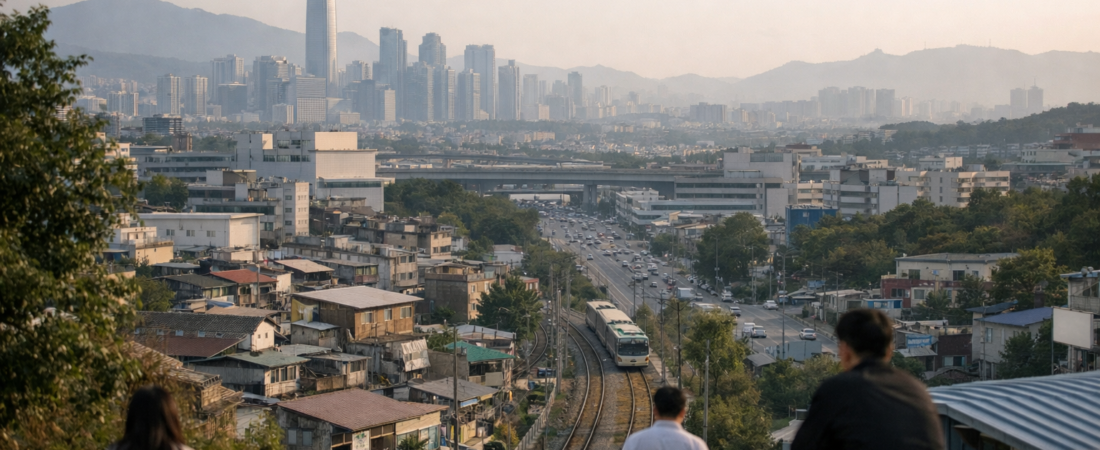
Korea’s population concentration in the capital region is not just a statistic. It shapes how people see themselves. Nearly half of the country’s population now lives in the Seoul metropolitan area, according to government data cited widely in Korean media.
That concentration did not happen by accident. Decades of industrial policy, university rankings, and job markets have pulled people toward the capital since the 1960s.
The result is a mental map where Seoul sits at the center and everywhere else becomes “the outskirts,” no matter how far or close it actually is. Isn’t it strange that an entire nation’s self-worth can hinge on a commute time? That is exactly the tension these books unpack.
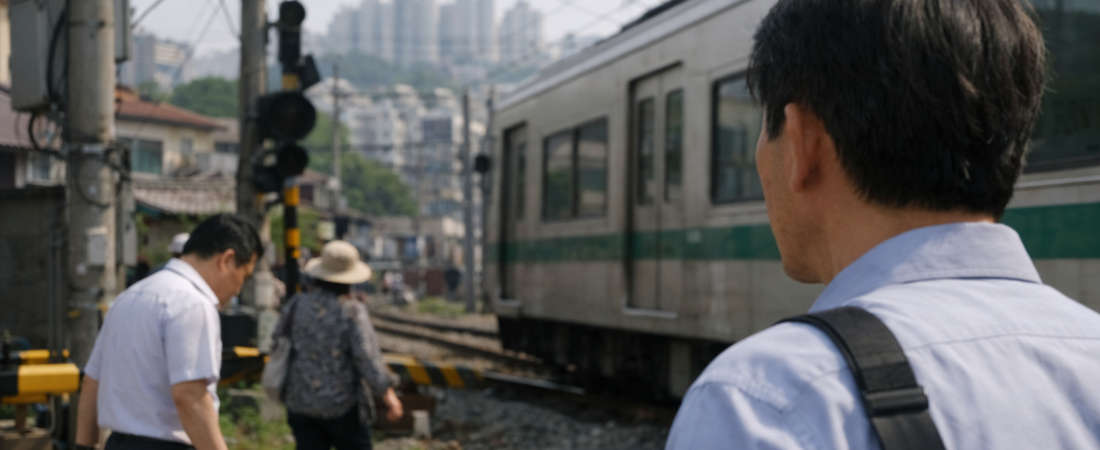
A scene from the 2022 JTBC drama My Liberation Notes captures this well. The show’s main character lives in a quiet area of Gyeonggi Province and takes a long subway ride into Seoul every day for work.
That scene became a cultural touchstone because so many viewers recognized themselves in it. Living near the Seoul outskirts often means living in-between — close enough to commute, far enough to feel excluded. (Commuters joke that Seoul subway lines run on time, but somehow their patience never does.)
Young Voices Speak Honestly About Envy and Shame
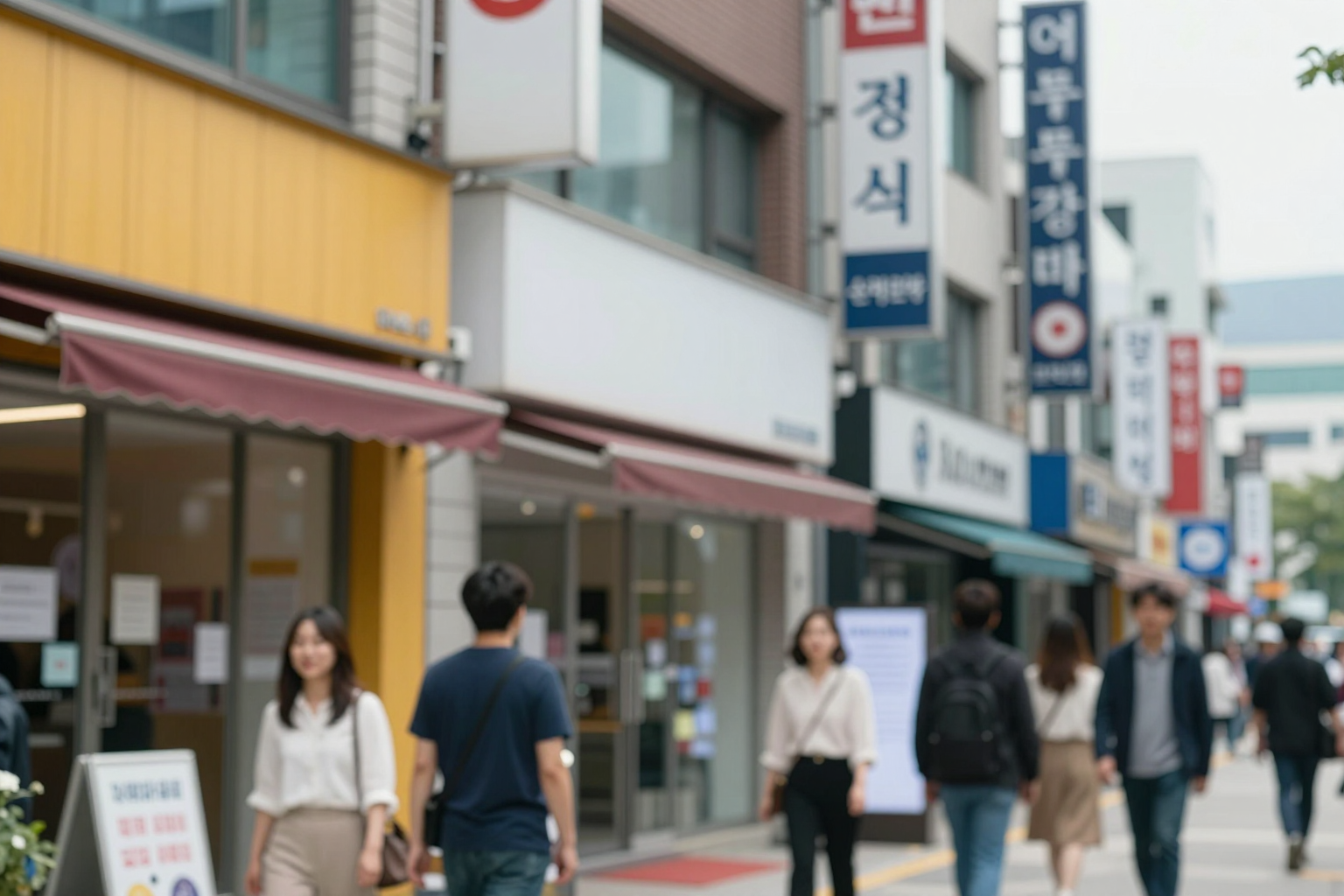
The second book relies on interviews rather than essays. It collects honest conversations with young people living outside the capital, many of them in their twenties and thirties.
What stands out is their candor. They describe envy toward Seoul friends who seem to have more opportunities, better networks, and easier access to culture.
But they also describe something harder to name: a quiet sense of inferiority that creeps in during ordinary moments, like a job interview or a dating app conversation. Why would where you live affect how confident you feel about yourself? That question sits at the heart of both books.
The interview subjects do not pretend the feeling is irrational. They name it directly, then try to work through it on the page.
This kind of honesty is rare in Korean public discourse, where regional pride often gets performed rather than felt. For readers unfamiliar with Korea’s regional dynamics, outlets like The Kyunghyang Shinmun offer ongoing coverage of how culture and geography intersect in everyday Korean life.
What This Divide Means for Korea’s Future
Korea is not alone in facing a capital-versus-countryside divide. France has long struggled with “Paris and the desert,” and the United Kingdom debates London’s dominance over its regions.
But Korea’s version carries extra intensity because the gap maps so closely onto perceived life outcomes: marriage prospects, salary, even social status. Living outside the Seoul outskirts can still feel like starting several steps behind.
That is a hard truth, and these books do not soften it. At the same time, something hopeful is happening in how this problem gets discussed.
A decade ago, regional disadvantage was mostly a policy topic, debated by economists and bureaucrats. Now, writers and ordinary young people are telling their own stories, and readers are listening closely enough to make these books bestsellers.
That shift matters more than it might seem. When a feeling gets named in literature, it stops being a private shame and becomes a shared conversation, one that can eventually shape policy, media, and even how parents raise their children.
There is real comfort in community, in the sense that no one carries this feeling of being from the Seoul outskirts alone. But that same shared identity can also calcify into resignation, a quiet agreement that things outside Seoul will always be lesser.
The honest path forward probably holds both truths at once: naming the pain clearly, while also building the regional universities, jobs, and cultural institutions that could someday make the whole question feel less urgent. Progress will not come from pretending the gap does not exist, nor from accepting it as permanent.
These two books suggest Korea is entering a more honest phase of this conversation. Writers are no longer just complaining about Seoul from a distance; they are examining their own complicated feelings toward it, envy and shame included.
That kind of self-awareness tends to come before real change, not after it. If literature can make the Seoul outskirts experience visible, can policy be far behind?
What do you think — does your own country have a capital city that casts this kind of long shadow over everywhere else?
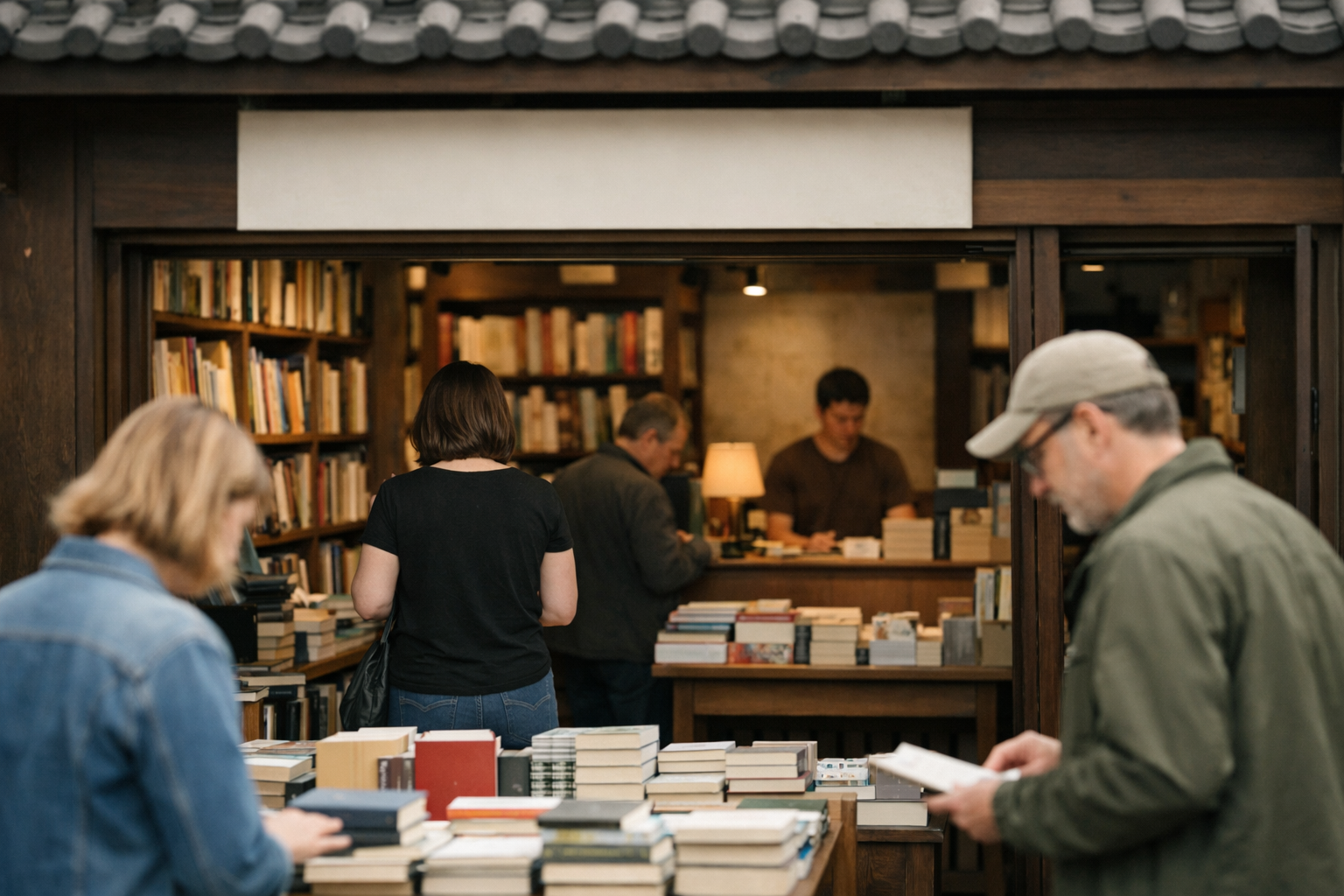
AI-Generated Photorealistic Image — All people, scenes, and details in this image are entirely AI-generated and fictional. Not a real photograph of an actual person or event. 이 이미지는 AI로 생성된 가상 이미지입니다.

Leave a Reply