
Table of Contents
Hoshi of SEVENTEEN released a new digital single, “Boyfriend,” at 6 p.m. Saturday while still serving as an active-duty soldier. The R&B-based pop track marks his fifth solo release since enlisting last September. Pledis Entertainment confirmed Hoshi co-wrote the lyrics himself.
Can a K-pop idol really keep building a solo career while wearing a military uniform? Hoshi’s case says yes, and it says it loudly. SEVENTEEN fans know this routine by now, but it still raises interesting questions about how the industry handles mandatory service.
Hoshi’s New Single “Boyfriend”
“Boyfriend” is described by Pledis Entertainment as a song about carefully approaching someone you love. The track leans on breezy shuffle rhythms and warm synthesizer textures. It feels light, almost playful, which fits Hoshi’s reputation as one of SEVENTEEN’s most expressive performers.
What makes this release stand out is the timing. Hoshi wrote these lyrics during his military service, a period usually associated with silence, not songwriting. That alone tells you something about his creative discipline.
He co-wrote the song, which means this is not a label-driven product pushed out to keep his name visible. It is a personal artistic statement, built during one of the most restrictive chapters of his career. For SEVENTEEN fans, that distinction matters a lot.
SEVENTEEN and the Reality of Military Service
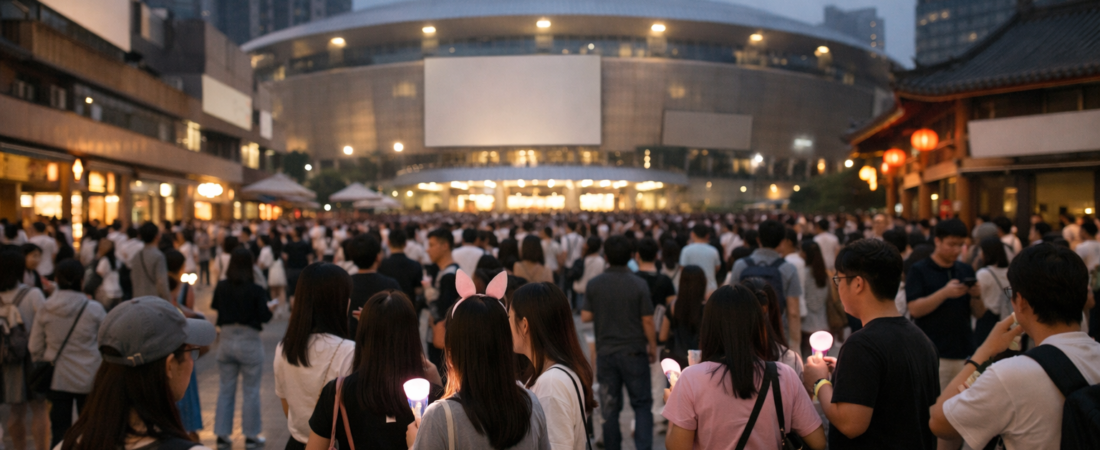
Hoshi enlisted in the Army as an active-duty soldier on September 16 last year. He became the fourth SEVENTEEN member to begin mandatory service. His discharge date is set for March 15, 2027.
South Korea requires nearly all able-bodied men to serve roughly 18 months in the military. This law applies to K-pop stars just as it applies to everyone else. No exceptions, no special treatment, regardless of chart success or global fame.
This creates a real challenge for SEVENTEEN as a 13-member group. How do you keep a group’s momentum going when members cycle in and out of service over several years? SEVENTEEN has chosen to answer that question with constant, staggered solo activity instead of pausing everything.
On the day he enlisted, Hoshi released “Take a Shot,” a hip-hop track he also co-wrote. Pledis followed that with “Fallen Superstar” in November, “Baby, Honey” in March this year, and “Snapback” in June, which Hoshi both wrote and composed. “Boyfriend” continues that steady rhythm of releases.
How K-pop Labels Keep SEVENTEEN Artists Visible During Enlistment
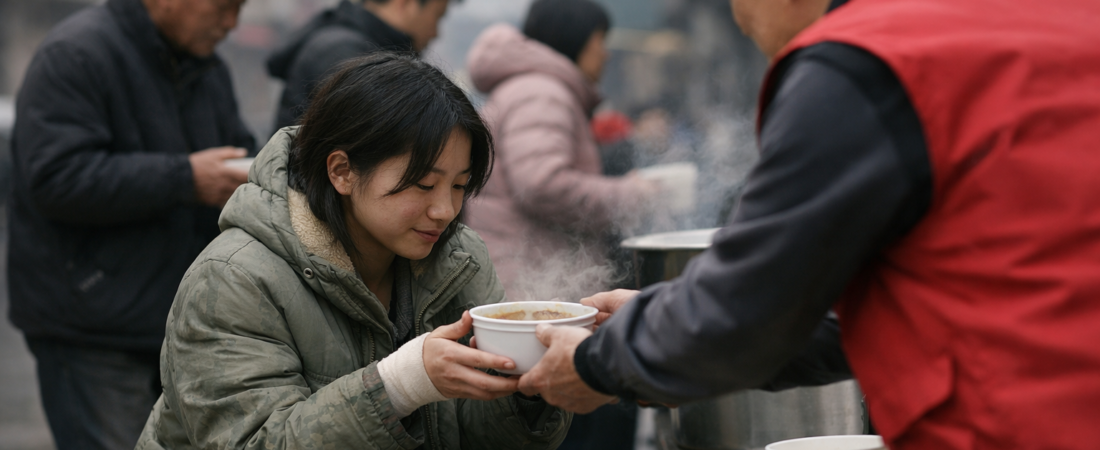
Releasing music during military service is not new in K-pop, but it is not simple either. Soldiers get limited free time, limited access to studios, and strict schedules. So how does Hoshi manage to write and record new songs under these conditions?
The answer likely involves careful planning before enlistment, combined with short leave periods used efficiently. Many Korean artists record material in advance or complete it during approved breaks. It is less glamorous than it sounds, closer to disciplined scheduling than spontaneous inspiration.
Pledis Entertainment has clearly built a release strategy around Hoshi’s service period, spacing singles every few months. This keeps his name in conversation without overwhelming fans or appearing forced. You can read more coverage of the industry’s approach to idol enlistment through outlets like Korea Times.
Other SEVENTEEN members are following similar paths. Jun released his first Chinese-language project as part of his own individual activities. The group clearly understands that staying connected to fans requires creative solutions, not just waiting out the calendar.
What This Means for SEVENTEEN’s Future
SEVENTEEN now faces a multi-year puzzle. Members will continue entering and leaving military service on a rolling schedule through at least 2027. Full group activities may stay limited until most members complete their duty.
Does this hurt the group’s momentum, or does it actually deepen fan loyalty? Military service in Korea often becomes a shared waiting period between fans and idols, a kind of patience test built into the culture itself. Many longtime K-pop fans have lived through this cycle before with other groups, so they know the rhythm by now.
There is something quietly admirable in how Hoshi has used restriction as fuel rather than an excuse for silence. Limited time and limited freedom pushed him toward more intentional songwriting, not less. That same pattern shows up across Korean society too, where mandatory service often forces young men to clarify what actually matters to them once they return to ordinary life.
Still, it would be dishonest to call military service purely a hidden blessing. It interrupts careers, delays plans, and separates people from the work and relationships they built before enlistment. The honest version of this story holds both truths at once: real sacrifice, paired with real growth that sometimes only shows up under pressure.
SEVENTEEN’s broader comeback likely waits until more members finish their service terms. Until then, expect more solo singles, more Chinese or English-language projects, and more creative experiments from individual members. The group seems determined to stay present, piece by piece, rather than disappear until everyone is free.
Hoshi’s “Boyfriend” is a small release in file size but a meaningful signal in context. It shows SEVENTEEN adapting to Korea’s military law without losing creative identity. What do you think about artists like Hoshi continuing to create art during mandatory service instead of going quiet?
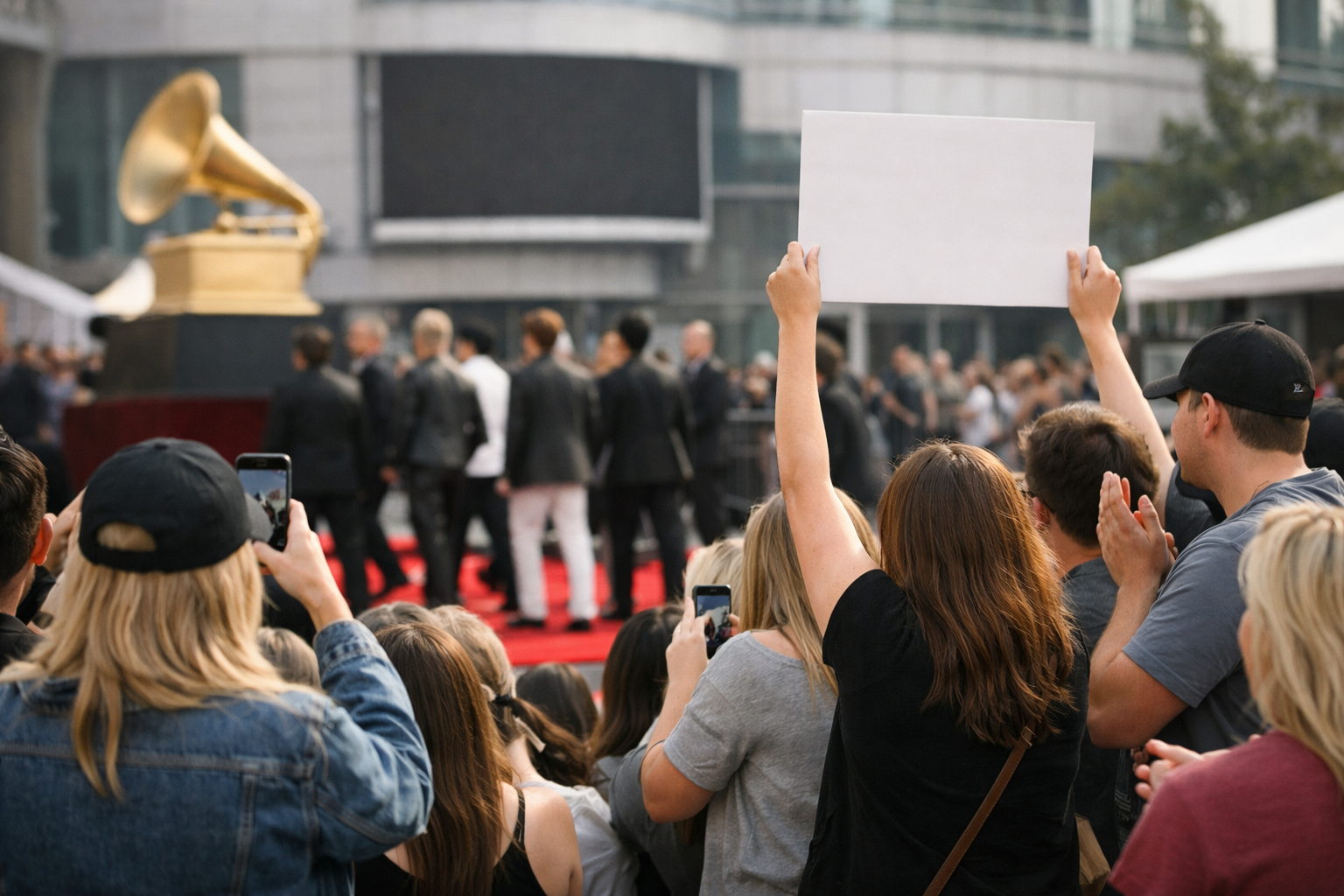
AI-Generated Photorealistic Image — All people, scenes, and details in this image are entirely AI-generated and fictional. Not a real photograph of an actual person or event. 이 이미지는 AI로 생성된 가상 이미지입니다.

Leave a Reply