Table of Contents
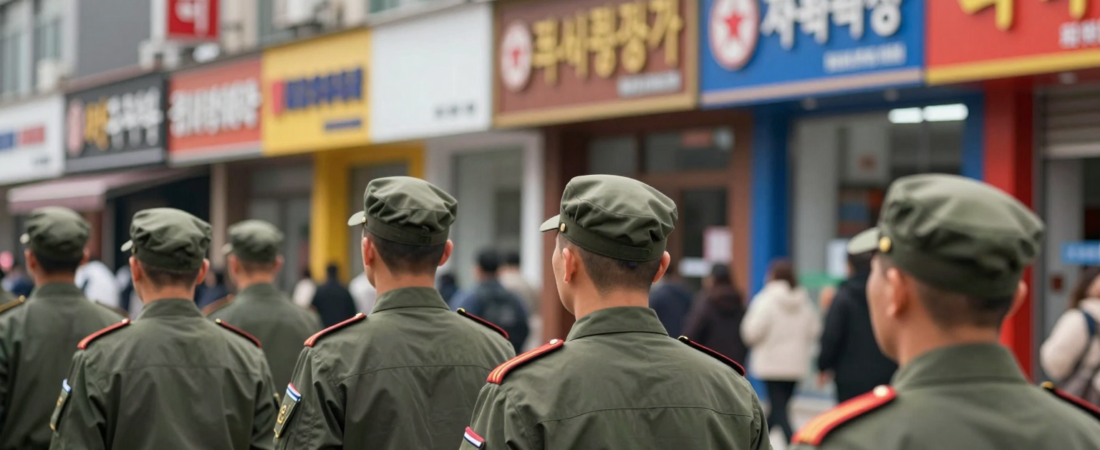
North Korea is punishing soldiers caught watching South Korean dramas, then using footage of that punishment as propaganda training material. Radio Free Asia released video showing handcuffed soldiers, public shaming sessions, and one soldier sobbing about his regret. The footage, reportedly filmed in 2023, is still circulating inside North Korean military units today.
Think about that for a second. A country is so afraid of a TV show that it builds entire indoctrination videos around catching people who watch it. Doesn’t that tell you something about how powerful these dramas have become?
North Korean soldiers risk years of hard labor just to watch what many of us stream casually on a Friday night. That contrast is worth sitting with, and it says a lot about the different worlds North and South Korea have become since the 1950s division.
What the Leaked Videos Reveal
The footage obtained by Radio Free Asia shows a grim scene. Soldiers and women in civilian clothes stand with heads bowed before being handcuffed in front of their peers. These are not quiet reprimands.
They are staged public punishments, filmed specifically to scare others into compliance. One speaker in the video even calls for immediate execution of those “tainted by imperialist culture.”
The language used is extreme. North Korean soldiers caught viewing banned content are branded as traitors and counter-revolutionaries, not just rule-breakers. This framing matters.
It turns a personal choice, watching a drama, into an act of political betrayal. Other images in the video show soldiers caught using cell phones, which are already banned for North Korean soldiers under Workers’ Party policy.
Several were caught secretly watching and even sharing banned videos through these phones. According to the report, people convicted of viewing outside media have received sentences of five years or more in labor camps, with no chance of pardon.
Why North Korean Soldiers Face Such Harsh Punishment
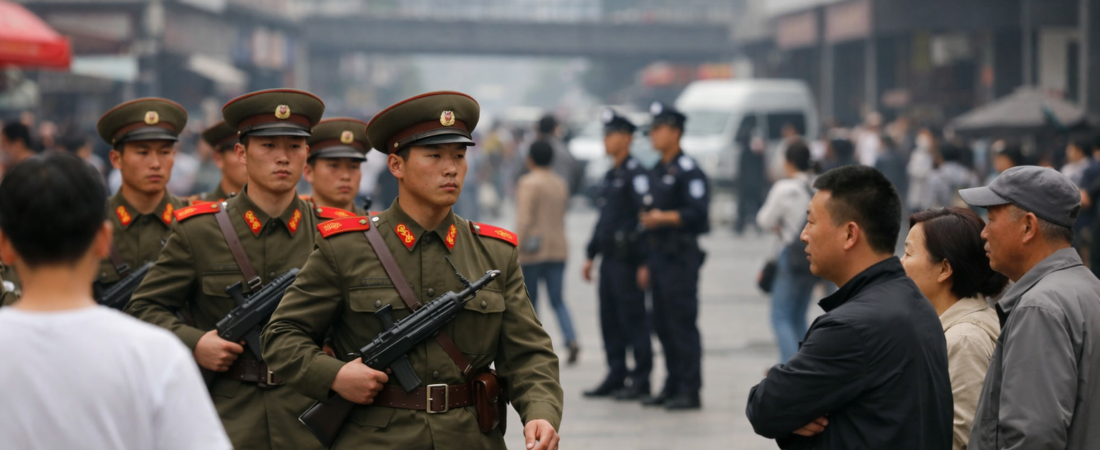
Why does Pyongyang treat a drama like a weapon? Because in some ways, it is one.
Stories carry ideas. And ideas about freedom, romance, and ordinary prosperity are dangerous to a regime built on control.
North Korean soldiers are supposed to see South Korea as an enemy state, poor and oppressed under capitalism. A single episode of a glossy Korean drama, showing cafes, smartphones, and casual dating, can undercut that narrative in minutes.
That is exactly why the punishment has to be so severe and so public. One soldier in the footage wrote a letter admitting his downfall began with watching foreign content repeatedly.
He described slowly picking up the speech patterns of what the regime calls “puppets,” meaning South Koreans. His voice breaks as he says he deeply regrets it, over and over.
This is not just fear of information. It is fear of identity shifting, soldier by soldier, household by household.
The fact that North Korea felt the need to compile these cases into a formal training reel in 2023, and is still using it now, suggests the problem has not gone away. If anything, the flow of outside media seems to be growing despite the crackdown.
The Power of Korean Dramas Beyond the Border
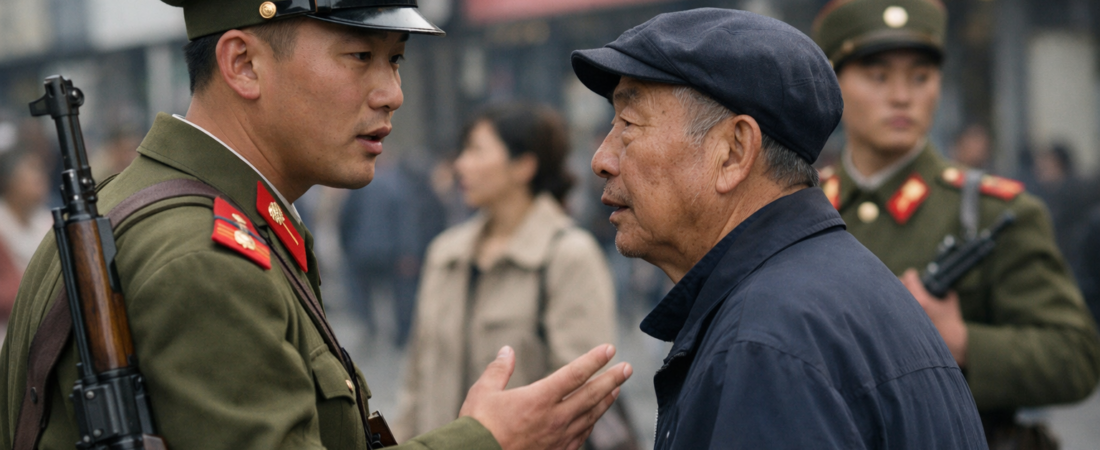
South Korean dramas have become a genuine global export, watched from Seoul to São Paulo. But their quiet spread into North Korea is arguably the most consequential version of that story.
Smuggled USB drives and SD cards carrying dramas and films have circulated in North Korea for over a decade. Defector testimonies have long suggested that Korean pop culture shapes how younger North Koreans see the outside world.
You might wonder how a drama crosses one of the most sealed borders on earth. The answer involves black markets, Chinese border trade, and small devices that are easy to hide.
(It is a strange kind of cultural diplomacy, smuggled in on tiny memory chips rather than through any embassy.) You can read more on North Korea’s media crackdown efforts through outlets like SBS News, which has tracked these stories for years.
North Korean soldiers are a particularly sensitive group to watch here. They are the regime’s enforcers, the people meant to defend the system without question.
If even soldiers are drawn to South Korean dramas enough to risk labor camps, that says something about how deeply this cultural influence has penetrated. It is not just curious teenagers anymore.
What This Means for the Future
Where does this leave us? North Korea’s approach reveals real fear, a government genuinely worried that stories and screens can move hearts faster than any slogan.
That fear is not irrational, and the human cost behind it is real: years in labor camps, broken families, and soldiers sobbing on camera over something as ordinary as a TV show. At the same time, this crackdown has not stopped the flow of outside content, and that persistence itself is a quiet form of hope.
People keep finding ways to connect, to imagine a different life, even under extreme risk. That same human instinct, the pull toward stories and shared experience, also explains why Korean culture resonates so widely outside its borders, though it carries a cost when the surrounding system punishes curiosity instead of protecting it.
We should be careful not to romanticize this too much. A drama is not a political movement, and wanting entertainment does not automatically mean wanting regime change.
But the fact that North Korean soldiers are willing to risk everything for a few hours of foreign storytelling tells you something enduring about human nature. People reach for connection and imagination even when the walls around them are built very high.
As global streaming keeps expanding and smuggling networks adapt, it seems unlikely North Korea can fully seal its soldiers off from outside culture forever. What do you think happens when a government cannot stop its own people from wanting to know what lies beyond the border?
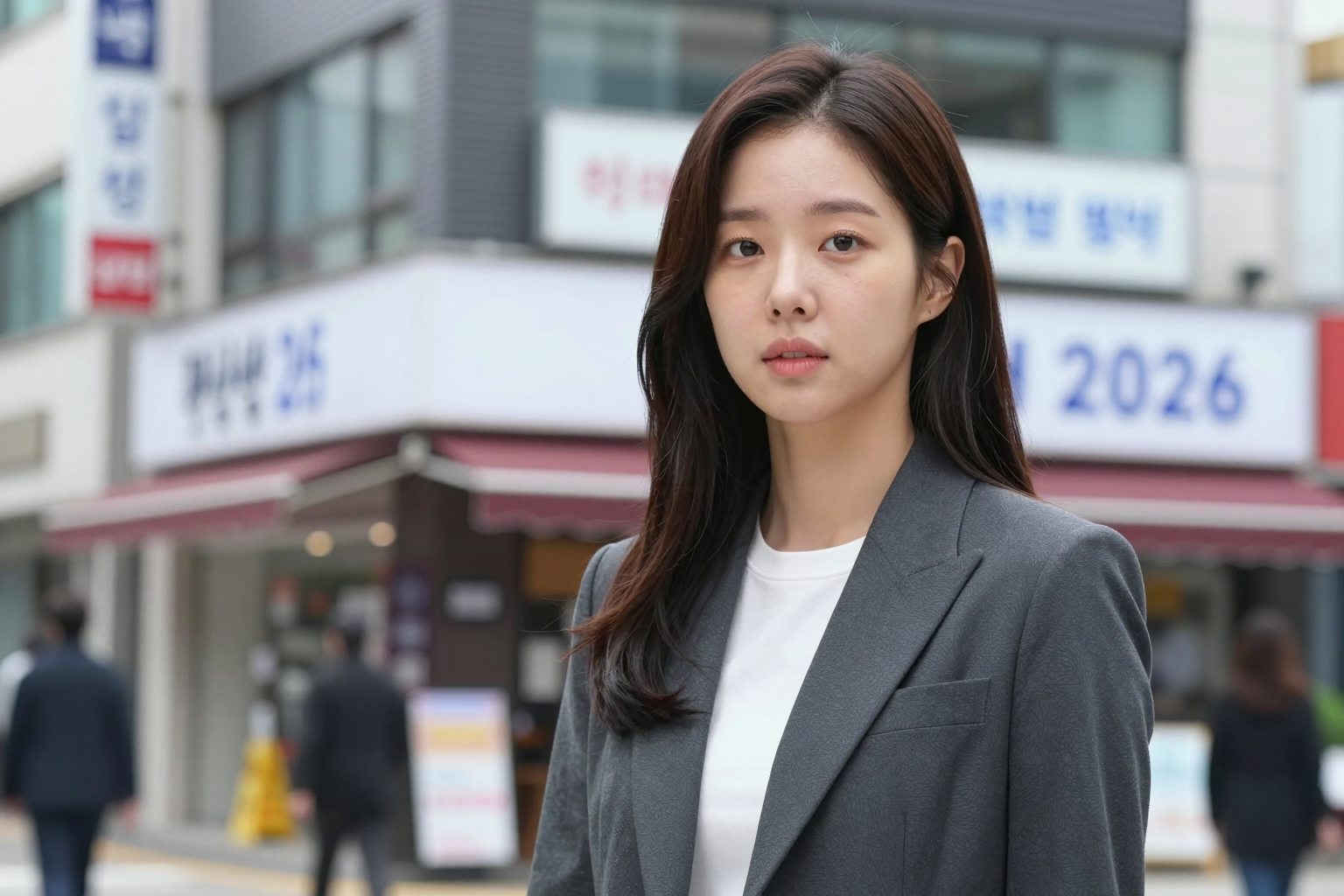
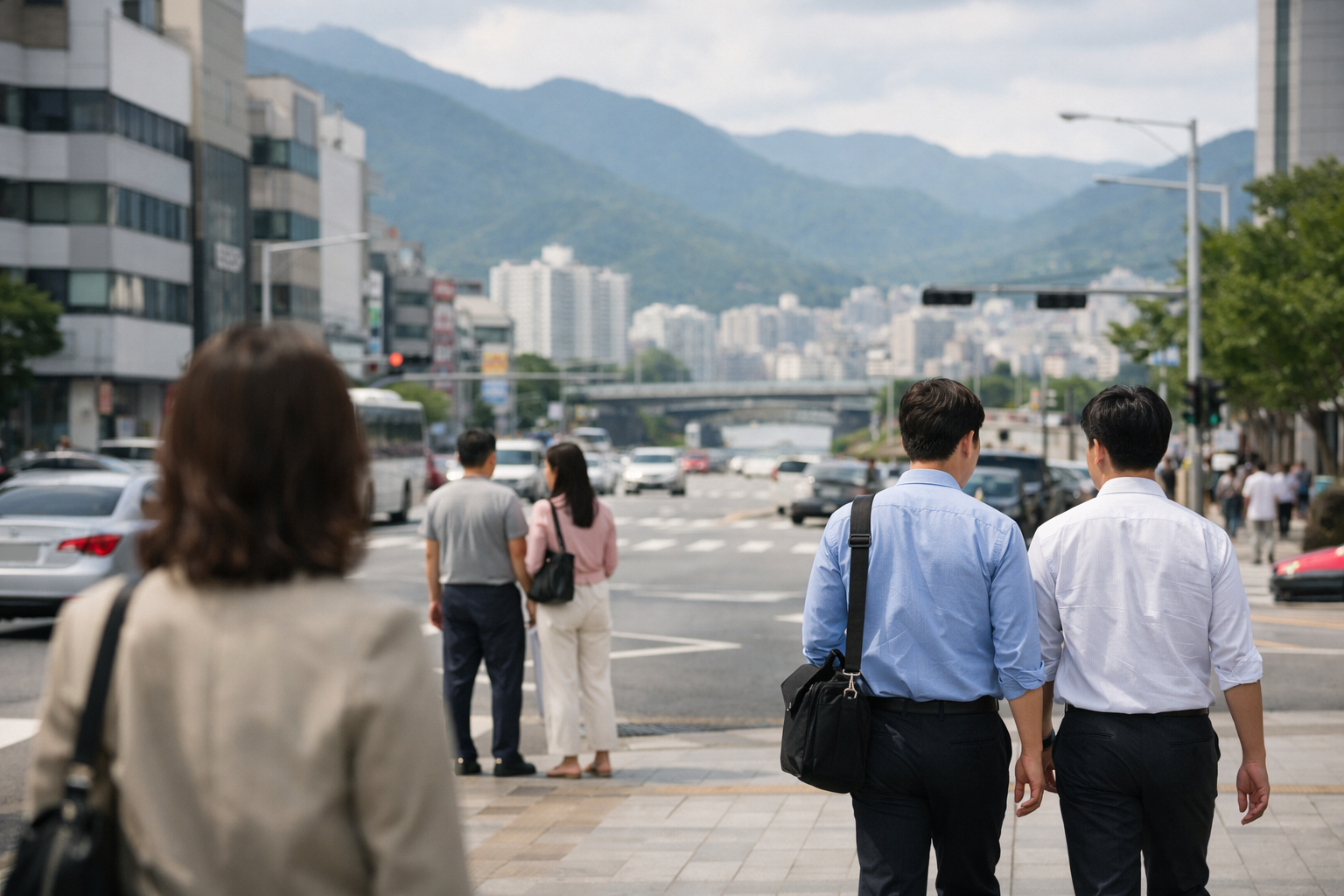
AI-Generated Photorealistic Image — All people, scenes, and details in this image are entirely AI-generated and fictional. Not a real photograph of an actual person or event. 이 이미지는 AI로 생성된 가상 이미지입니다.

Leave a Reply