
Table of Contents
A North Korean state TV drama now features a teenage girl designing a drone to help her mother farm. The show, called “New Spring at Baekhak Village,” aired on Korean Central Television and marks a notable shift. North Korea is using everyday entertainment to promote civilian drone technology, not just military hardware.
Drones usually make headlines for their military uses. North Korea has leaned into that image for years, showing off attack drones in parades and state media footage.
But something different happened recently. A drama episode showed a schoolgirl pitching drone designs for agriculture, and that detail says a lot about where North Korea wants its technology story to go next.
A Drone Episode in a North Korean TV Drama
The drama “New Spring at Baekhak Village” first aired last year on Korean Central Television, North Korea’s main state broadcaster. It’s set in a rural farming village, the kind of backdrop North Korean media often uses to celebrate agricultural life.
In one scene, a high school student stays late after class working on a mysterious project. Her teacher laughs when she reveals it’s a drone design.
But the student isn’t joking. She explains her goal with real emotion.
She wants to spray pesticides and nutrient solutions by drone, she says, so her mother doesn’t have to labor under the sun 365 days a year. With help from a male classmate, she finds footage on drone mechanics at a school science resource room.
She finishes her design and shows it off to her mother, who is amazed to learn her daughter built something like what she’s seen on television. The girl tells her mother she’ll enter the design in a national competition the next day.
It’s a small, personal moment in a drama. But in North Korea, nothing on state television happens by accident, including which technology gets a feel-good storyline.
Why North Korea Promotes Civilian Drone Use
Experts who study North Korea say this drone subplot fits a bigger pattern. Jun Young-sun, a professor at the Institute of Unification Humanities at Konkuk University, points to a broader policy under Kim Jong-un’s leadership that pushes practical science applications across all sectors of society.
The drone-farming scene, in other words, isn’t random creative inspiration. It’s one visible example of a nationwide push to put science into everyday use, and drones happen to be a convenient, photogenic choice.
Why would North Korea’s leadership want ordinary citizens thinking positively about drone technology? Partly because drones already carry heavy military baggage in global headlines, and North Korea may want its own population to see a gentler side of the same technology.
A farm girl using a drone to help her mother feels very different from a drone crossing a border for surveillance or attack.
This pattern isn’t unique to North Korea, either. Many countries use popular media to introduce new technology to the public before asking citizens to adopt it in daily life.
Think of how electric vehicle commercials shaped attitudes in other countries long before the cars became common on the road. North Korea appears to be running a similar playbook, just with far tighter control over the message.
Drones, Propaganda, and Daily Life in North Korea
North Korea’s state newspaper, the Rodong Sinmun, has repeatedly published stories about farm workers using drones in various regions. These aren’t isolated incidents dressed up for cameras, according to the reporting pattern.
They appear often enough to suggest an ongoing campaign. One quote circulating in related coverage captures the message well: farming is now done by people and by science together.
That phrase fits neatly with how North Korea frames technological progress generally, as something that serves the collective rather than individual convenience. Is this really about helping tired mothers in rural villages, or is it about shaping how citizens think about state-sponsored technology? Probably both, and that’s what makes it worth watching.
North Korean agriculture has struggled for decades with low mechanization and unpredictable harvests. International reporting, including coverage from SBS News, has long tracked how isolated the country’s farming sector remains from modern tools common elsewhere.
If drones genuinely reach rural fields at scale, that would mark real change. But state media showcasing a single clever student doesn’t guarantee thousands of farms gain this equipment. (Somewhere, an actual North Korean farmer is probably still waiting for his drone.)
What North Korea’s Drone Drama Means Going Forward
North Korea rarely shows its hand clearly, but entertainment choices often reveal more than official statements. A drone subplot aimed at ordinary viewers tells us the government wants citizens comfortable with this technology, not fearful of it.
That distinction matters for anyone trying to read North Korea’s intentions from the outside.
There’s something genuinely human in that drama scene, a daughter wanting to ease her mother’s exhausting work. Family devotion like that crosses every border and every political system, and it’s easy to feel moved by it. But we should also be honest that the same warmth gets packaged carefully by a state media system built to serve political goals, not simply to tell heartfelt stories.
The hope lies in a detail that can’t be fully staged: real human need for easier farm labor, and real curiosity from young people about new technology. If drone use genuinely spreads into daily agricultural life, it could ease hardship for families who have endured decades of manual farm labor. That outcome would matter regardless of the propaganda wrapped around it.
North Korea’s relationship with drone technology will likely keep expanding, both for military purposes and now, it seems, for civilian life. Whether this translates into real farms gaining real equipment remains the open question.
Media moments and material reality don’t always match, especially inside a tightly controlled information system. What do you think about North Korea using television dramas to introduce new technology to its citizens?
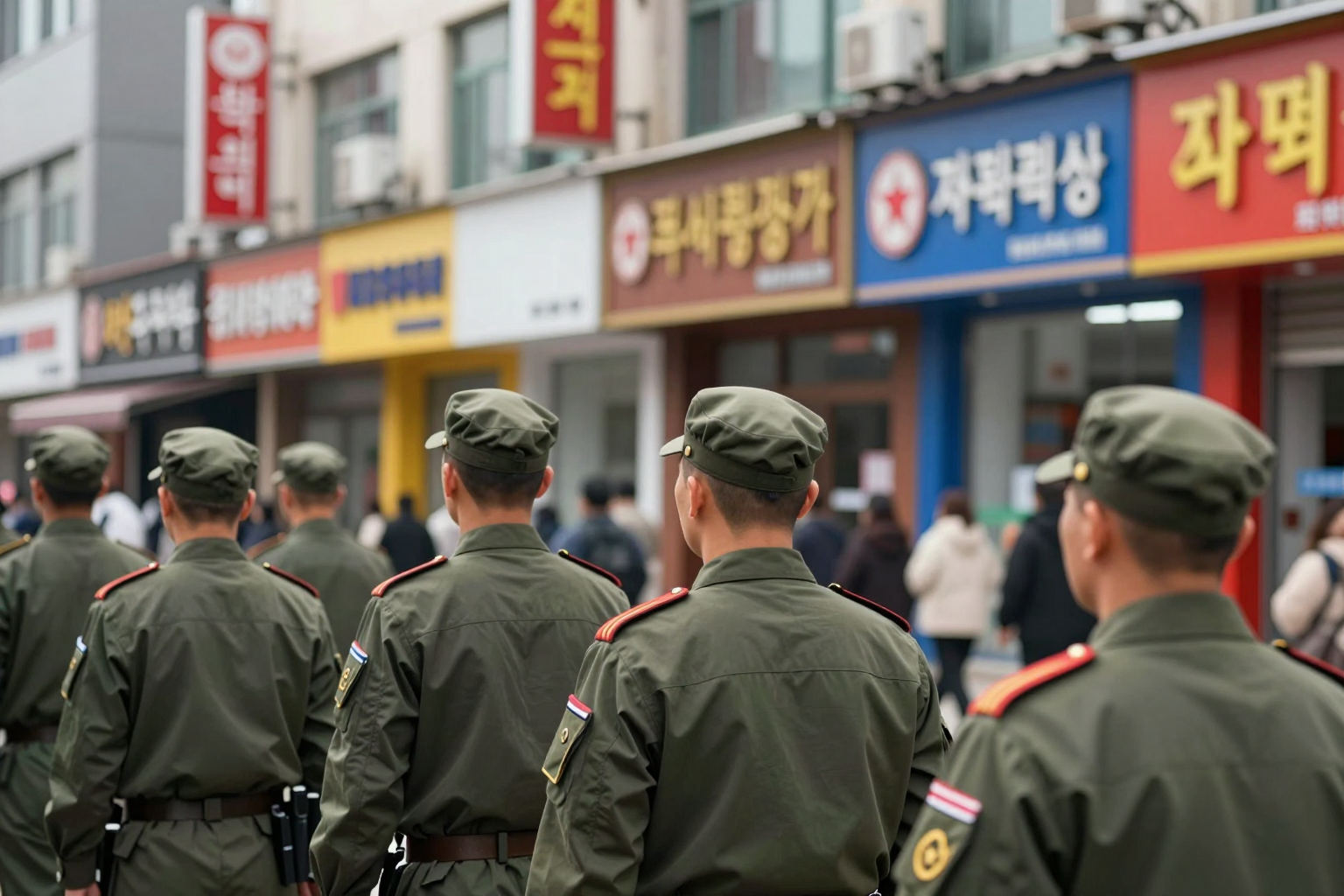
AI-Generated Photorealistic Image — All people, scenes, and details in this image are entirely AI-generated and fictional. Not a real photograph of an actual person or event. 이 이미지는 AI로 생성된 가상 이미지입니다.

Leave a Reply