
Table of Contents
TWS released their second single album, titled “TO US,” on November 2, dropping a new title track called “Call My Name.” The six-member boy group, formed under Pledis Entertainment, used the comeback to shed its earlier “school uniform” image. This single marks a clear shift toward a more mature and confident sound for TWS.
If you have followed TWS since their debut, you already know their signature style. They built a name for themselves singing about clumsy, uncertain young love. Their breakout hit carried the line “the first meeting never goes as planned” — a lyric that felt honest and relatable to millions of young listeners.
But artists grow. Groups mature. And sometimes, a bold new chapter says more about an idol group’s journey than any debut single ever could.
TWS Returns With a Bolder Sound
“TO US” dropped at 6 p.m. on November 2, and it did not sound like the TWS fans first met. Gone is the tentative, stumbling-through-adolescence tone. In its place stands a title track that practically shouts its own name — “Call My Name” — with confidence to match.
Pledis Entertainment described the new concept as “spirited and mature,” language the agency rarely uses lightly. Why does this shift matter so much? Because K-pop fandoms track image evolution closely, and a successful transition often decides whether a group graduates into long-term relevance or fades after its novelty wears off.
TWS clearly chose to bet on growth rather than repetition. The members themselves emphasized this directly in interviews surrounding the release, framing the album as a reflection of who they have become rather than who they were asked to play. That distinction, subtle as it sounds, is the heart of this comeback.
From Shy Teens to Confident Young Men

Debut concepts in K-pop are rarely accidental. Agencies design them carefully, often matching a group’s age and perceived innocence to a specific emotional theme. TWS launched with songs about fumbling first encounters, a theme that resonated precisely because the members sounded genuinely new to performing and to love itself.
That stage, though, has an expiration date. Fans who grew up with TWS have aged alongside them, and continuing to sing about adolescent uncertainty risks sounding stale rather than sincere. TWS seems to understand this timing perfectly.
The members described wanting listeners to feel something stir inside them while hearing the new melody — what they called feeling “choked up” by the tune, paired with an overwhelming sense of pride. That kind of emotional transparency rarely comes from a group still playing a scripted role. It reads instead like young men speaking plainly about their own progress.
Is this just marketing language, or does it reflect something real? Probably both — and that is not necessarily a bad thing. Good K-pop concepts work precisely because they blend authentic growth with careful presentation, and TWS appears to be managing that balance well with “TO US.”
What “Call My Name” Tells Us About K-pop Growth

The title track “Call My Name” functions almost like a statement of arrival. Instead of asking for patience or understanding, as earlier singles implied, the song demands recognition. That shift in posture — from apologetic to assertive — says a great deal about where TWS wants to stand in the industry now.
K-pop history offers plenty of precedent for this kind of transition. Groups like Seventeen, under the same agency, navigated similar maturity shifts years into their careers, moving from youthful charm toward more assertive, adult-coded concepts. TWS appears to be attempting that evolution much earlier, perhaps recognizing that today’s fandoms expect faster artistic development than a decade ago.
This is K-pop’s version of a coming-of-age story, except it plays out in real time, on stage, in front of millions watching every livestream and music show. You could call it growing up in public (with considerably more choreography involved than most people’s actual adolescence).
For readers tracking the group’s trajectory, outlets like Khan have covered the shift from TWS’s debut persona toward this newer, steadier identity in detail. The consistency of that reporting suggests the change is being noticed industry-wide, not just by devoted fans.
Why This TWS Comeback Matters for Global Fans
Does a single comeback album really tell us anything lasting about a group’s future? Sometimes, yes. The choices a group makes at this stage — doubling down on a safe formula versus risking a new identity — often predict how long their career will last.
TWS chose risk, and that decision deserves attention from fans well beyond Korea. Global audiences increasingly discover K-pop groups mid-journey rather than at debut, meaning many international listeners will meet this more confident version of TWS first. That could reshape how the group is perceived abroad entirely.
There is something genuinely moving about watching young performers reach for maturity in public, knowing that growth rarely happens cleanly or without stumbles along the way. The same spotlight that rewards their progress can also make ordinary growing pains feel like public failures, magnified by millions of watching eyes. Still, when a group manages to turn that pressure into something honest, like TWS seems to be doing here, it offers a quiet reminder that becoming yourself is rarely a straight line for anyone, idol or not.
That tension between pressure and authenticity is not unique to K-pop. It mirrors how anyone navigates visible change — at work, at school, or within a tightly knit community that notices everything. TWS simply lives that process with cameras rolling, which makes their honesty about the “choked up” feeling behind this comeback all the more worth paying attention to.
TWS now stands at a turning point that will likely define their next several years. Their willingness to retire a successful formula for something riskier signals real artistic ambition, not just a label-driven makeover. What do you think about TWS trading their early innocence for this more assertive, grown-up sound?
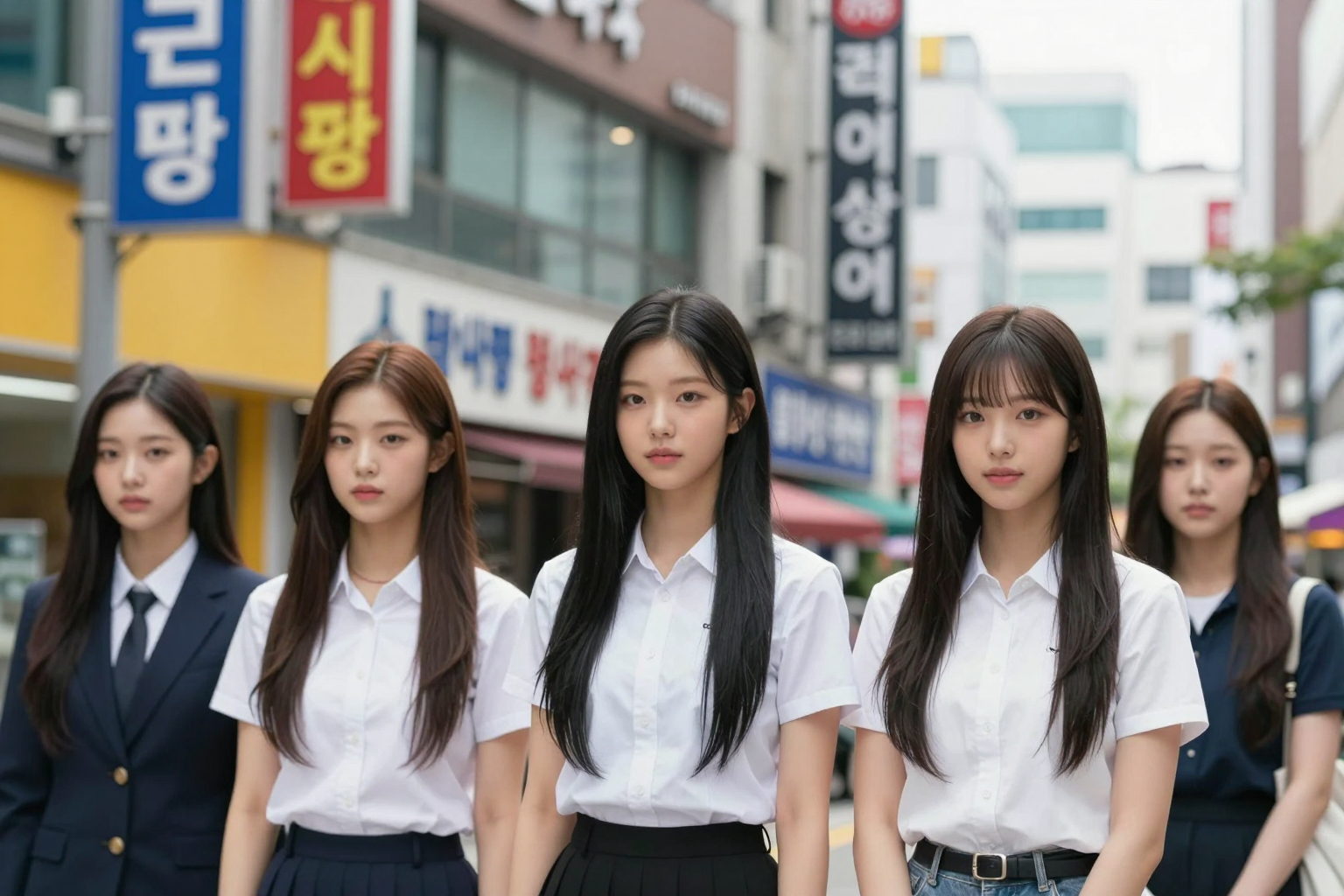
AI-Generated Photorealistic Image — All people, scenes, and details in this image are entirely AI-generated and fictional. Not a real photograph of an actual person or event. 이 이미지는 AI로 생성된 가상 이미지입니다.



Leave a Reply