Table of Contents
- A Historic Homecoming: President Lee Jae-myung’s Five-Day Diplomatic Marathon
- Why the NATO Summit Mattered to President Lee Jae-myung
- Mongolia After 15 Years: A Golden Era in the Making
- Rare Earths, Supply Chains, and the Road Back to Inter-Korean Dialogue
- What Comes Next for President Lee Jae-myung’s Foreign Policy
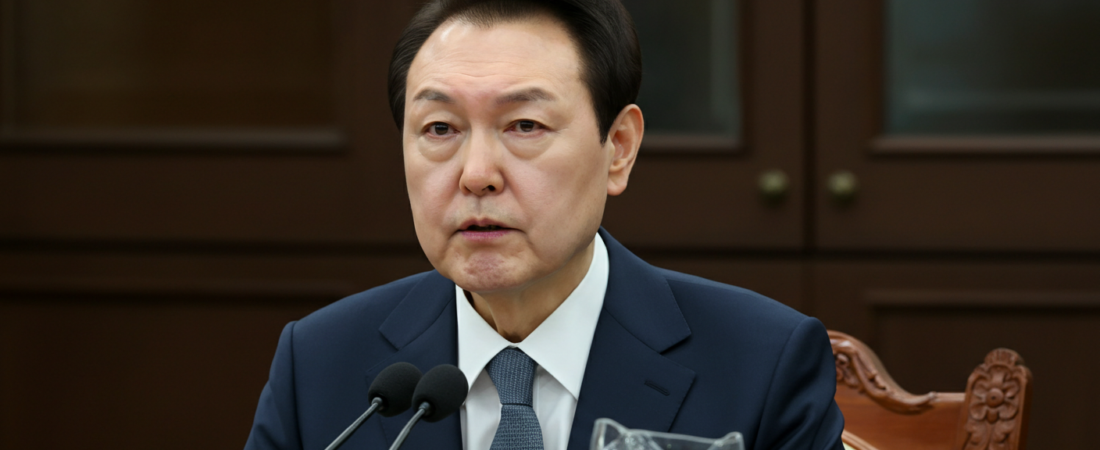
Fifteen years. That’s how long it took for a sitting South Korean president to set foot in Mongolia again. President Lee Jae-myung just changed that, capping off a three-night, five-day diplomatic sprint that took him from the NATO summit straight to Ulaanbaatar.
He landed back in Seoul on the night of the 11th, exhausted but with real diplomatic wins in hand. Why does this trip matter so much? Because it touches everything from Korea’s global security posture to the rare earth minerals your smartphone depends on.
A Historic Homecoming: President Lee Jae-myung’s Five-Day Diplomatic Marathon
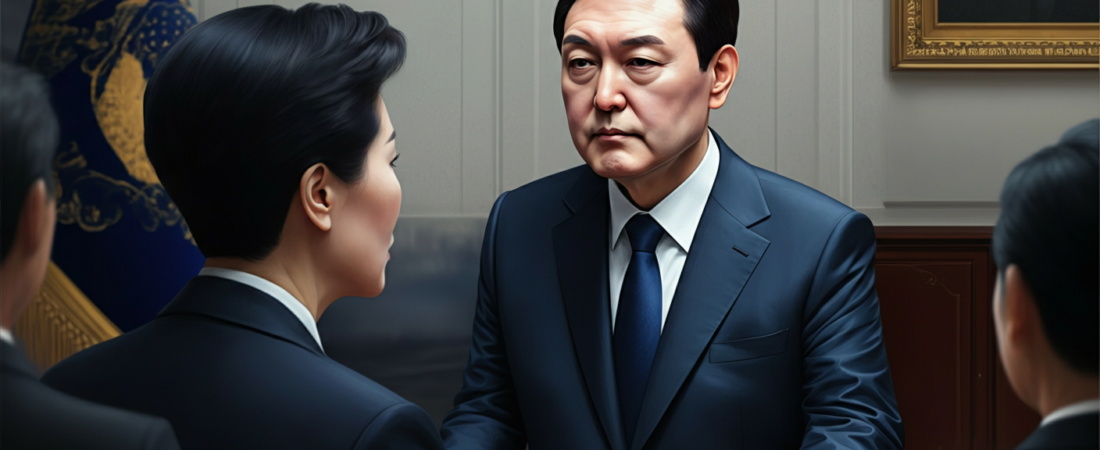
Let’s set the scene first. President Lee Jae-myung didn’t just attend one summit — he juggled two major diplomatic stops in less than a week.
First came the NATO summit, where Korea’s president sat alongside leaders from across Europe and North America. Then came something rarer: a state visit to Mongolia, a country most Korean leaders have quietly skipped for over a decade.
Think about what that gap means. Fifteen years is longer than some Korean students spend in school before graduating.
During that time, Mongolia built new trade relationships, deepened ties with China and Russia, and watched as Korea’s presidential attention drifted elsewhere. President Lee Jae-myung’s visit signals a course correction — one that took years to arrange and days to execute.
This wasn’t a casual stopover, either. State visits require months of preparation, careful diplomatic choreography, and mutual political will on both sides.
The fact that President Lee Jae-myung squeezed this into an already packed NATO travel schedule tells you something important. Korea wants Mongolia back on its diplomatic map, and it wants that relationship rebuilt quickly.
Why the NATO Summit Mattered to President Lee Jae-myung
South Korea isn’t a NATO member. So why does its president keep showing up at NATO summits?
The answer lies in how global security has changed. North Korea’s weapons programs, Russia’s war in Ukraine, and China’s growing influence have all pulled Korea closer to Western security discussions, even without formal membership.
President Lee Jae-myung’s attendance puts Korea in the room where major decisions get shaped. That matters for trade, for defense cooperation, and for how allies coordinate responses to shared threats.
It also sends a signal to Pyongyang and Beijing: Korea is not isolated, and its president is actively building relationships far beyond the Korean peninsula.
Consider the optics here, too. A Korean president standing among NATO leaders projects stability and reliability to global investors and trading partners alike.
For a country that depends heavily on exports and semiconductor supply chains, that image carries real economic weight. President Lee Jae-myung understands that diplomacy and economics move together, not separately.
You could say this NATO stop was the warm-up act. But the main event — at least for regional watchers — was what happened next in Mongolia.
Mongolia After 15 Years: A Golden Era in the Making
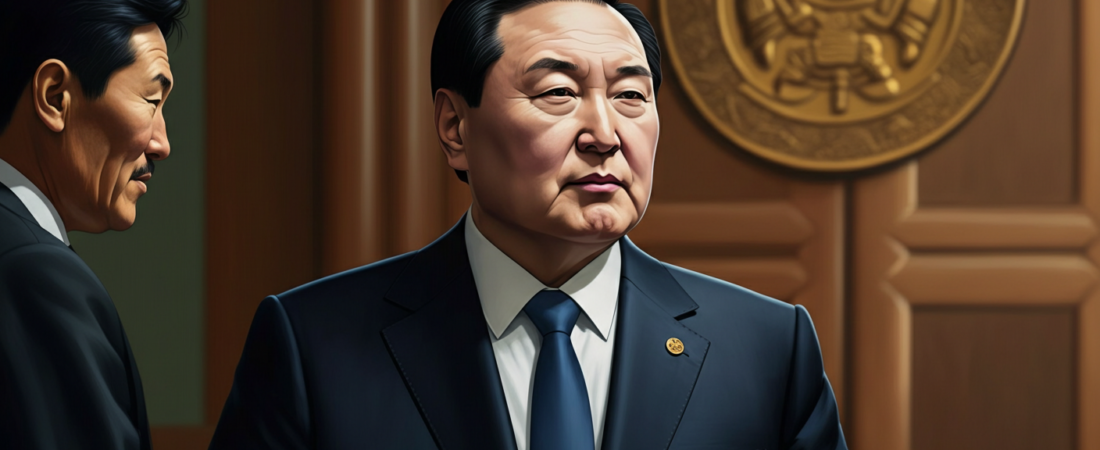
Why has no Korean president visited Mongolia in 15 years? Partly geography, partly shifting diplomatic priorities, and partly the simple fact that Mongolia often gets overlooked between two giants: China and Russia.
President Lee Jae-myung’s visit breaks that pattern decisively. He didn’t just show up — he used the phrase “golden era” to describe where Korea-Mongolia relations should head next.
That’s not casual diplomatic language. Calling something a “golden era” sets expectations, both for Mongolian leaders and for Korean businesses watching this relationship unfold.
What makes Mongolia so appealing right now? Start with its vast, largely untapped mineral wealth, particularly rare earth elements that global industries desperately need.
Korea’s semiconductor and battery industries rely heavily on stable access to these materials. Right now, China dominates global rare earth processing, which leaves countries like Korea searching for alternative partners.
Mongolia offers exactly that alternative. Sitting between two resource-rich but politically complicated neighbors, Mongolia has its own reserves and its own interest in diversifying trade partners beyond Beijing and Moscow.
President Lee Jae-myung’s visit opens the door to formal supply chain cooperation, something Korean manufacturers have quietly hoped for over the years. For more background on how global rare earth competition is reshaping diplomatic priorities, see this Yonhap News Agency analysis.
Historically, Korea and Mongolia share more cultural common ground than most people realize. Both nations trace linguistic and cultural roots to broader Northeast Asian traditions, and Mongolian workers have long formed one of the larger foreign labor communities inside Korea.
That human connection makes economic cooperation feel less like a cold business deal and more like rebuilding an old friendship. President Lee Jae-myung appears to understand this dynamic well, framing the visit around partnership rather than pure transaction.
Rare Earths, Supply Chains, and the Road Back to Inter-Korean Dialogue
Here’s where things get more complicated. President Lee Jae-myung didn’t just discuss minerals and trade during his Mongolia visit — he also raised the topic of inter-Korean dialogue.
Why bring up North Korea while visiting Mongolia? Because Mongolia has quietly served as a neutral meeting ground for North and South Korean officials in the past.
Ulaanbaatar sits at a unique diplomatic crossroads. It maintains relations with Pyongyang while also building closer ties with Seoul, making it one of the few capitals capable of hosting sensitive conversations both sides might accept.
President Lee Jae-myung asked Mongolian leaders for cooperation in restarting inter-Korean talks, which have stalled for years now. Is this a realistic ask?
Maybe not immediately, but it’s a smart long-term move. Mongolia has no major territorial disputes with either Korea and carries less political baggage than China or the United States when it comes to peninsula diplomacy.
Using Mongolia as a quiet channel could give both Koreas room to test dialogue without the intense media spotlight that surrounds talks in Seoul, Pyongyang, or Washington. President Lee Jae-myung seems to be betting on exactly that kind of low-pressure environment.
Meanwhile, the supply chain angle deserves its own attention. Rare earth elements power everything from electric vehicle batteries to guided missile systems, making them a matter of both economic and national security.
Korea currently imports a large share of these materials through channels heavily influenced by Chinese processing capacity. President Lee Jae-myung’s push for direct cooperation with Mongolia represents a strategic hedge against future supply disruptions.
If Korean companies can secure processing agreements or joint mining ventures in Mongolia, that reduces dependency risk significantly. This isn’t just abstract policy talk, either — it directly affects the price and availability of the electronics you use every day.
Should global consumers care about a Korean president’s trip to Mongolia? Absolutely, especially if you own anything with a lithium battery or advanced semiconductor chip inside it.
What Comes Next for President Lee Jae-myung’s Foreign Policy
So where does this leave Korea’s diplomatic strategy going forward? President Lee Jae-myung has now demonstrated a willingness to combine hard security alliances with resource diplomacy and peninsula outreach, all within a single overseas trip.
That’s an ambitious balancing act. Managing NATO relations, courting Mongolia, and nudging North Korea toward dialogue requires careful sequencing and sustained follow-through, not just a single successful visit.
Expect Korean diplomats to spend the coming months translating these talking points into actual agreements. Trade ministries will likely negotiate specific rare earth cooperation frameworks, while foreign ministry officials quietly explore whether Mongolia can host any preliminary inter-Korean contact.
None of this guarantees quick results. North Korea has ignored similar overtures before, and mineral supply chain deals often take years to finalize even after leaders shake hands.
Still, President Lee Jae-myung has set a clear direction. Korea wants diversified partnerships, reduced dependency on any single power, and renewed momentum on the stalled peninsula peace process.
Whether this Mongolia trip becomes a genuine turning point or simply a symbolic gesture depends entirely on what happens next. Will Korean and Mongolian officials follow through with concrete rare earth agreements within the next year?
Will Mongolia actually facilitate any renewed contact between North and South Korea? Those questions remain open, but President Lee Jae-myung has at least reopened doors that stayed closed for fifteen years.
For global readers watching Korean politics from abroad, this trip offers a useful lesson. Middle powers like Korea increasingly need creative diplomatic strategies, ones that blend security alliances, resource partnerships, and regional peacebuilding all at once.
President Lee Jae-myung’s five-day trip captures that strategy in miniature. What do you think — can supply chain diplomacy actually help restart inter-Korean dialogue, or are these two goals fundamentally separate challenges?