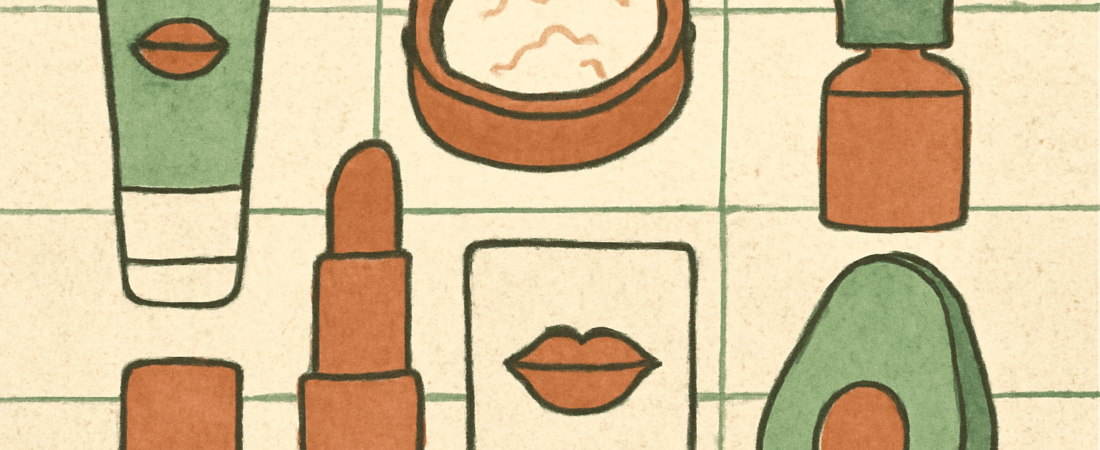
Korean lip care usually works in layers. Exfoliate gently once or twice a week, apply a sleeping mask at night, and use a balm by day. Tints sit on top. Water-based tints stain, while oil-based ones glide and shine. Check each label for ingredients and fragrance, and patch test first.
Last checked: 2026-11-15
- The step-by-step Korean lip care routine
- Lip balm vs lip sleeping mask: what is the difference?
- Lip tint types and ingredient differences
- Comparison table: lip care and tint products
- Where to buy and how to read Korean labels
- FAQ
- Sources
- Related guides
The step-by-step Korean lip care routine
Many searchers ask one simple thing: what do I actually do, and in what order? Here is the common Korean approach, broken into steps you can follow tonight.
Step 1: Remove old product
Start by removing any tint or balm from the day. Use a gentle lip and eye remover or a cotton pad with a mild cleanser. Long-wear tints can cling to the lips. Rubbing hard can irritate, so go slowly.
Step 2: Exfoliate lightly, only if needed
Exfoliation is optional and should be gentle. Many people do it once or twice a week at most. Skip it if your lips are cracked, sore or peeling heavily.
Options include a soft, damp washcloth or a sugar-based lip scrub. Some people use a mild chemical exfoliant made for lips. Keep it short, about 20 to 30 seconds, then rinse.
Step 3: Apply a sleeping mask at night
A lip sleeping mask is a thick, sealing product worn overnight. Apply a thin, even layer over clean, dry lips. Most masks sold in Korea use a balm-like or jelly-like texture.
Use the amount stated on the packaging, which is often a pea-sized portion. Do not eat or drink right after applying. Wipe off any leftover residue in the morning.
Step 4: Use a balm in the morning and through the day
In the morning, wipe off the leftover mask with a damp pad. Then apply a lighter lip balm. Reapply during the day, especially after meals and coffee.
If you plan to wear tint, let the balm settle for a minute first. Blot the surface lightly before tinting so colour goes on evenly.
Step 5: Add sun protection when relevant
Lips can be exposed to the sun too. Some Korean lip balms include an SPF rating. Check the label for the rating and the testing standard it claims. Reapply as directed, since lip products wear off quickly.
Step 6: Apply your tint
Dab tint on the centre of the lips first. Press and blend outward with a fingertip or the applicator. This gives the soft, gradient look many Korean tints are known for. Build colour in thin layers.
Lip balm vs lip sleeping mask: what is the difference?
Both aim to soften and protect lips, but they are used differently. The main differences come down to texture, timing and purpose.
Lip balm
A balm is lighter and made for daytime. It comes as a stick, a tube or a small pot. It usually contains waxes and oils that form a thin barrier over the lips.
Some balms are lightly tinted. Others are clear. Many include fragrance or flavour, which can bother sensitive lips.
Lip sleeping mask
A sleeping mask is thicker and stickier. It is designed to stay on for hours without rubbing off on a pillow. It is meant to sit on the lips overnight as a sealing layer.
Texture varies. Some feel like a rich balm. Others feel like a gel or jelly. Try a small size first if you are unsure which feel you prefer.
Ingredients you will often see
Labels differ by brand, so always read the one in your hand. Common ingredient groups include the following:
- Oils and butters: such as shea butter or plant oils, used for softness and sealing.
- Waxes: such as beeswax or plant waxes, which give a balm its firmness.
- Humectants: such as glycerin or hyaluronic acid, which attract water to the surface.
- Vitamin-type ingredients: such as vitamin E, often listed as tocopherol.
- Fragrance and flavour: common in lip products and a frequent source of irritation for some people.
If you have known allergies or very reactive skin, check the full ingredient list. If you are unsure about an ingredient, ask a pharmacist or a dermatologist. This article is not medical advice.
Lip tint types and ingredient differences
The word “tint” covers several formulas in Korean beauty. Knowing the types helps you choose the finish you want and avoid surprises.
Water tints
Water tints have a thin, watery feel. They tend to leave a stain that looks like natural flushed lips. They can feel light and often wear well through a meal, though results vary by brand and by person.
They can also look dry or patchy on lips that are already flaky. Prepare lips with a balm first and blot before applying.
Gel tints
Gel tints sit between water and oil formulas. They are slightly glossy and often more comfortable on dry lips. They usually give a soft sheen with a medium stain.
Oil tints
Oil tints are glossy and glide on easily. They often feel cushiony and may add a care-focused finish. They can transfer more easily onto cups and masks. Many people reapply them through the day.
Velvet or matte tints
Velvet tints dry to a soft, blurred finish. They can look beautiful but may feel drying for some people. Pair them with a good night routine and a light balm base.
Why ingredients matter for tints
Tint colour usually comes from dyes. Some formulas also include pigments, oils, waxes or film-forming ingredients that help the colour last. Because lips are thin and you may swallow small amounts, check the label for what is in the product.
If a tint stings, swells or causes a rash, stop using it. Seek advice from a qualified professional if the reaction continues.
Comparison table: lip care and tint products
Prices below are rough ranges based on typical retail levels and are only a guide. Real prices change by brand, store, size and sale period. Always check the current price at the shop or on the brand’s official site. Conversions use an approximate rate of about 1,300 KRW to 1 USD, which also changes.
| Product type | Best for | Typical texture | Approx. price range | Things to check |
|---|---|---|---|---|
| Lip balm (stick or tube) | Daytime protection and touch-ups | Light, waxy or creamy | About $3 to $10 / 4,000 to 13,000 KRW | Fragrance, SPF claims, allergens |
| Lip sleeping mask | Overnight softening and sealing | Thick, balm-like or jelly-like | About $8 to $25 / 10,000 to 32,000 KRW | Jar hygiene, scent, residue |
| Lip scrub | Occasional gentle smoothing | Gritty or gel-based | About $5 to $15 / 6,500 to 19,500 KRW | Grit size, skip if lips are sore |
| Water tint | Natural, flushed stain | Thin and watery | About $5 to $15 / 6,500 to 19,500 KRW | Can look dry on flaky lips |
| Gel or oil tint | Glossy, comfortable colour | Glossy, cushiony | About $6 to $20 / 8,000 to 26,000 KRW | Transfer onto cups and masks |
| Velvet or matte tint | Soft, blurred finish | Light, dries down | About $6 to $20 / 8,000 to 26,000 KRW | Can feel drying, needs a balm base |
Where to buy and how to read Korean labels
You can find these products in several places. In Korea, large beauty chains, drugstores and department store counters all carry them. Many brands also sell through their own official websites. International shipping and prices vary, so check the brand’s own store for current terms.
Reading the label
Korean packaging often lists ingredients in both Korean and English, but not always. Ingredients are normally listed from the highest amount to the lowest. If the label is only in Korean, take a photo and use a translation app. For anything you are unsure about, ask the shop staff.
A few useful Korean words may help in store:
- 립밤 (ripbam): lip balm.
- 립 슬리핑 마스크 (rip seulliping maseukeu): lip sleeping mask.
- 립 틴트 (rip tinteu): lip tint.
- 성분 (seongbun): ingredients.
Patch testing and storage
Before using a new product, test a small amount on your inner wrist or near the lip edge. Wait the time suggested by the brand. Keep products away from heat and direct sun. In jar products, use a clean spatula rather than a finger when possible, to help keep the product clean.
Travel tips
If you carry lip products in your luggage, check your airline’s rules on liquids and gels for carry-on bags. Rules differ by country and change over time. Verify them on your airline’s official site before you fly.
FAQ
How often should I use a lip sleeping mask?
Many people use one nightly, but the right frequency depends on your lips and the product. Follow the directions on the packaging. If you notice irritation, stop and consider a simpler routine.
Can I wear a lip tint over a sleeping mask?
It is better to wipe off the mask first. Apply a light balm, let it settle, and blot before using tint. Thick overnight products can make tint look patchy or slide around.
Is a water tint better than an oil tint?
Neither is better for everyone. Water tints tend to leave a natural stain, while oil tints feel glossy and comfortable. Choose based on the finish you want and how dry your lips feel.
Do Korean lip balms contain SPF?
Some do, but not all. If sun protection matters to you, look for an SPF rating on the label and check the product’s stated details. Reapply as directed, since lip products wear off with eating and drinking.
What should I do if a lip product irritates my lips?
Stop using it and rinse your lips gently. Switch to a plain, fragrance-free option if you can. If irritation continues or is severe, speak to a pharmacist or a qualified medical professional.
Sources
- Ministry of Food and Drug Safety (Korea), cosmetics information: https://www.mfds.go.kr/
- U.S. Food and Drug Administration, cosmetics overview: https://www.fda.gov/
- American Academy of Dermatology Association, skin care resources: https://www.aad.org/
Product details, ingredients and prices change often. Always confirm them on the brand’s official site or on the product packaging.

Leave a Reply