Table of Contents
What happens when a young sailor vanishes near one of the world’s most sensitive maritime borders? That question is now on many minds in Korea. A Navy seaman went missing early Friday morning off the coast of Goseong County, Gangwon Province, and the search has already pulled in both military and civilian resources.
This isn’t just a routine missing-person case. The location, roughly 50 kilometers east of Geojin-eup, sits close to the Northern Limit Line (NLL), the disputed sea border between South and North Korea.
That single fact turns a personal tragedy into a matter of inter-Korean diplomacy. Let’s break down what we know, why it matters, and what it tells us about life for young men serving in Korea’s military.
What Happened: A Navy Seaman Goes Missing at Sea
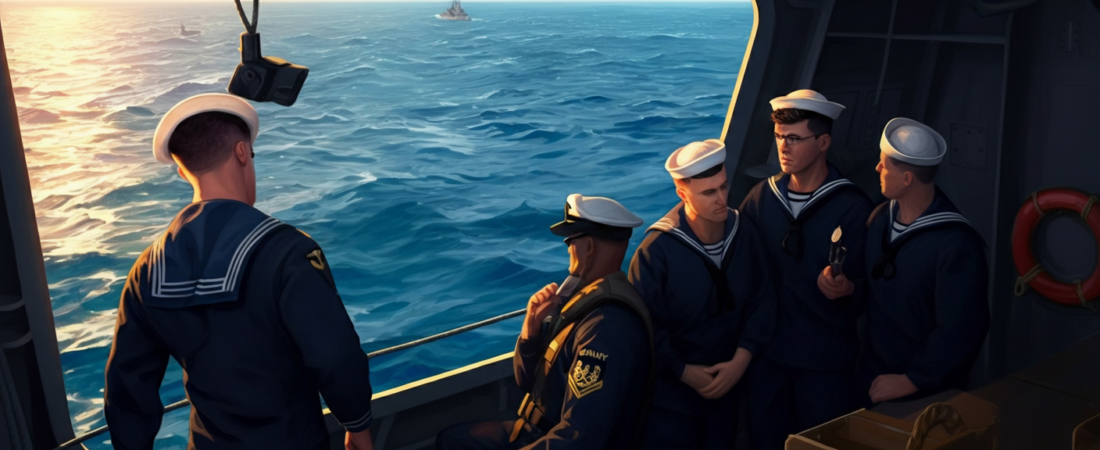
Around dawn on Friday, a Navy seaman identified only as “A” disappeared from a South Korean naval escort ship. The vessel was on a routine patrol mission east of Goseong, a coastal county in Gangwon Province known for its proximity to the inter-Korean maritime boundary.
The Navy seaman was part of the ship’s crew during standard guard duty when he was reported missing. No immediate details have been released about the circumstances of his disappearance.
Was it an accident? A fall overboard during rough seas? Right now, authorities aren’t confirming a cause, and that uncertainty is exactly why the search response has been so urgent.
South Korea’s military takes these incidents seriously, and for good reason. Any Navy seaman lost at sea near the NLL carries added risk, since the area lies close to waters patrolled by North Korean forces.
A missing sailor in ordinary coastal waters is already a crisis for the family and the unit involved. A missing Navy seaman near a contested maritime border adds a layer of complexity that most people never think about until it happens.
The Search Operation: Ships, Aircraft, and Time Pressure
The South Korean Navy and Coast Guard didn’t wait to act. More than ten vessels were deployed immediately, alongside aircraft scanning the surface from above.
This combined air-and-sea approach reflects standard protocol for man-overboard cases at sea. Every hour matters when someone is missing in open water, especially in cold coastal currents off Gangwon Province.
Search-and-rescue teams typically widen their search radius as time passes, factoring in tide patterns and wind direction. For a missing Navy seaman, rescuers also have to account for water temperature, since hypothermia can set in within hours during Korea’s autumn and winter seas.
Why does the scale of this response matter to outside observers? Because it shows how seriously the South Korean military treats the safety of its personnel, even a single conscript or enlisted seaman.
Korea’s mandatory military service system means most young men serve two years, often in demanding physical conditions. A missing Navy seaman case like this one reminds the public just how real the risks of service can be, even far from any conflict zone.
The Navy has not released updates on whether debris, personal items, or other search leads have emerged. As of the latest reports, the search continues without confirmation of the seaman’s location or condition.
Why the NLL Location Changes Everything
Here’s where this story becomes bigger than a single search-and-rescue mission. The waters where the Navy seaman disappeared sit close to the Northern Limit Line, the de facto sea border set after the Korean War armistice in 1953.
The NLL has never been formally recognized by North Korea, and it remains one of the most tense flashpoints on the Korean Peninsula. Naval skirmishes have occurred there before, including deadly clashes in 1999, 2002, and 2009.
Given that history, any object or person drifting near the NLL raises immediate diplomatic questions. Could currents carry the missing Navy seaman into North Korean waters?
That possibility is exactly why South Korea’s Ministry of Unification took the unusual step of requesting cooperation from Pyongyang. The ministry asked North Korea for humanitarian assistance in the search, and for the return of the seaman if he is found in northern waters.
This kind of request is rare, but it isn’t unprecedented. Inter-Korean humanitarian communication has occurred before during similar incidents, even amid otherwise frozen relations.
You might wonder whether North Korea typically responds to these requests. Historically, cooperation has been inconsistent, shaped heavily by the political climate between the two Koreas at any given moment.
Sometimes Pyongyang has returned bodies or individuals found in its waters. Other times, requests have gone unanswered for weeks or longer, leaving families in painful limbo.
For readers unfamiliar with Korean Peninsula geography, it helps to understand just how narrow these waters really are. The East Sea coastline near Goseong sits only a short distance from North Korean territorial waters, making incidents like this one almost inevitably cross-border in nature.
You can read more about the broader context of inter-Korean maritime tensions through Yonhap News Agency, which has tracked NLL-related incidents for decades.
What This Case Reveals About Military Life in Korea
Every Korean man knows the reality of mandatory service. Roughly 18 months to two years, depending on the branch, spent away from civilian life.
For families, sending a son into service already carries anxiety. News of a missing Navy seaman, even before any details are confirmed, reignites public conversation about safety standards within the armed forces.
Is enough being done to protect young conscripts during routine operations? That question resurfaces every time an incident like this makes headlines.
South Korea’s military has faced scrutiny in past years over training accidents, harassment cases, and safety oversights. A missing Navy seaman case adds fresh urgency to ongoing debates about how the military handles personnel welfare, especially during patrol duty in remote coastal zones.
It’s worth remembering that naval guard duty isn’t glamorous work. Long hours, cold conditions, and repetitive patrols define much of a young seaman’s daily routine, far from the public eye.
When something goes wrong, as it may have here, the response reveals a lot about institutional priorities. The rapid deployment of ten-plus vessels and aircraft suggests the Navy is treating this Navy seaman’s disappearance with full seriousness.
That’s reassuring, but it doesn’t erase the anxiety families feel while waiting for news. Every day without resolution adds weight to an already difficult situation for the missing sailor’s loved ones.
Looking ahead, this incident may prompt renewed discussion about patrol safety protocols near sensitive maritime zones. If the search concludes without finding the Navy seaman, questions will likely follow about whether standard safety measures were sufficient for duty so close to the NLL.
South Korea’s relationship with the North remains fragile, and even a humanitarian search request carries political weight. Will Pyongyang respond to Seoul’s appeal this time?
That answer may shape not just this case, but how future incidents near the maritime border get handled. For now, all eyes remain on the waters off Goseong, where hope and uncertainty exist side by side.
What do you think about how South Korea is handling this search, and what does it tell you about the human cost of service near one of the world’s most tense borders?




Leave a Reply