Table of Contents
Can a president’s push for national unity actually weaken his own political base? That’s the sharp question Yoo Si-min raised this week on his popular YouTube channel. The veteran author and former government minister argued that President Lee Jae-myung’s strategy of broadening his political appeal is not just risky—it’s headed for failure.
Yoo Si-min built his reputation as a former Cabinet minister, best-selling author, and one of Korea’s most-watched political commentators. When he speaks, both supporters and critics of the ruling party tend to listen. So when Yoo Si-min publicly criticizes a sitting president from his own political camp, that criticism carries extra weight.
Who Is Yoo Si-min and Why Does His Voice Matter?
Yoo Si-min has spent decades moving between government service, journalism, and public commentary. He served as Minister of Health and Welfare under President Roh Moo-hyun. Since then, he’s built one of Korea’s most influential political YouTube channels, where progressive-leaning viewers often turn for analysis.
That background matters here. Yoo Si-min isn’t a conservative opponent attacking Lee Jae-myung from outside the tent. He’s a longtime voice within Korea’s progressive political tradition, which makes his criticism land differently.
Why would someone from the same broad political camp turn critical now? According to Yoo Si-min, the answer lies in strategy, not ideology. He believes President Lee Jae-myung’s approach to expanding his political base—reaching out to moderates, centrists, and even some conservative-leaning voters—sends the wrong signal at the wrong time.
Yoo Si-min argues this “extension strategy” looks appealing on paper. In practice, he warns, it risks diluting the very political identity that got Lee Jae-myung elected. Readers who follow Korean politics closely know this tension well: how much should a leader compromise to gain broader support?
Yoo Si-min’s Warning: Why “Unity” Could Backfire
At the center of Yoo Si-min’s critique sits one core claim. He says President Lee Jae-myung’s push for unity and outreach is a “dangerous choice” that will ultimately fail. That’s a strong statement from someone within the president’s broader political family.
Yoo Si-min’s logic runs like this: when a leader tries to please everyone, he often ends up satisfying no one. Progressive supporters may feel abandoned. Moderate or conservative voters, meanwhile, may remain unconvinced the outreach is genuine.
Is there historical precedent for this kind of criticism in Korean politics? Yes—unity strategies have divided past administrations before, often triggering internal party friction rather than broader public support. Yoo Si-min seems to be pointing at this exact pattern repeating itself.
He also raises a deeper structural concern. According to Yoo Si-min, the president has failed to properly explain several controversial decisions to the public. Instead of addressing problems directly, he argues, the administration keeps letting these issues grow larger without clear answers.
This lack of explanation, Yoo Si-min suggests, damages public trust more than any single policy misstep could. Trust, once eroded, is difficult to rebuild in Korean politics. Voters tend to remember silence just as much as scandal.
Prosecution Reform, Personnel Fights, and Political Realignment
Yoo Si-min didn’t stop at general criticism. He pointed to three specific issues fueling his concern: delayed prosecution reform, controversy over personnel appointments, and talk of a broader political realignment.
Prosecution reform has been one of the most debated topics in Korean politics for years. Progressive voters have long expected the Lee Jae-myung administration to move quickly on this front. Yoo Si-min argues the delay signals hesitation at a moment when supporters expected decisive action.
Personnel controversies add another layer of tension. Reports of presidential involvement in key appointments have raised questions about transparency. Yoo Si-min frames this as part of a larger pattern: problems emerging, then going unaddressed publicly.
Finally, there’s the matter of political realignment—reshaping party structures or alliances to build a wider coalition. This is where Yoo Si-min’s warning becomes most pointed. He suggests that reshaping the political landscape around one leader’s personal popularity carries real risk for party stability.
What happens when a party organizes itself entirely around a single figure? Yoo Si-min’s answer is blunt: the party becomes weaker, not stronger. Excessive power concentration, he argues, leaves the Democratic Party (Deobureominjudang) vulnerable if public opinion shifts.
This isn’t a new debate in democratic systems worldwide. Political scientists have long studied how party structures fare when they orbit one dominant leader. Readers interested in comparative political analysis can explore related coverage through Korean Political News Source for additional context on Korea’s evolving party dynamics.
What This Means for the Democratic Party’s Future
So where does this leave the Democratic Party going forward? Yoo Si-min’s core warning centers on power concentration. If the party moves entirely on the president’s terms, he argues, it risks losing its own independent identity.
This matters because Korean political parties have historically struggled when tied too closely to a single leader’s fate. When that leader’s popularity dips, the entire party structure can wobble. Yoo Si-min seems to be urging the Democratic Party to maintain some internal independence, even while supporting the president.
Is Yoo Si-min simply being pessimistic, or is he identifying a real structural risk? Both interpretations are possible, and that’s exactly why his commentary has sparked such wide discussion. Critics of Yoo Si-min might argue that outreach strategies are necessary for any president seeking broader legitimacy.
Supporters of his view counter that legitimacy without a clear ideological anchor can weaken long-term party cohesion. This tension—between broad appeal and core identity—isn’t unique to Korea. Many democracies wrestle with the same question when popular leaders try to expand beyond their original base.
For international readers watching Korean politics, this debate offers a useful lens. It shows how personal leadership style and party structure constantly interact in a democracy. Yoo Si-min’s critique, whether you agree with it or not, highlights a genuine strategic dilemma facing President Lee Jae-myung.
Looking ahead, expect this debate to intensify as major policy decisions—especially on prosecution reform—move forward. Yoo Si-min’s commentary may shape how progressive voters interpret those decisions. Whether the Democratic Party embraces broader unity or doubles down on its original base could define its next electoral chapter.
Korean politics rarely stays quiet for long, and this debate around Yoo Si-min’s remarks is no exception. What do you think—does political unity strengthen a party, or does it risk hollowing out its core identity?
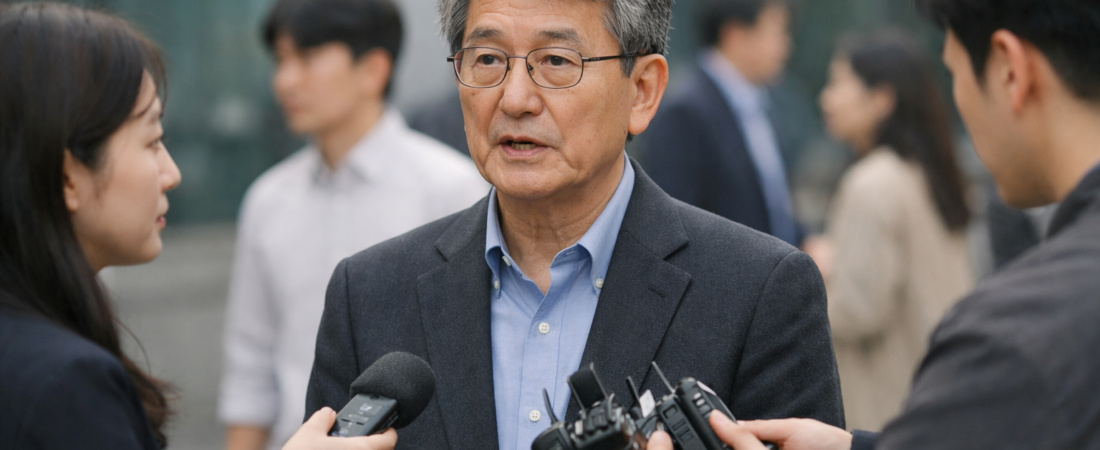
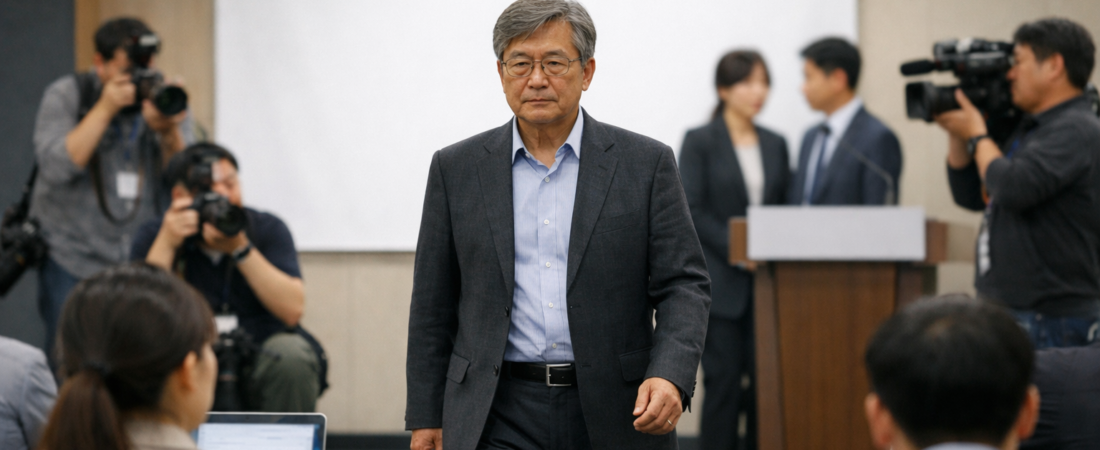
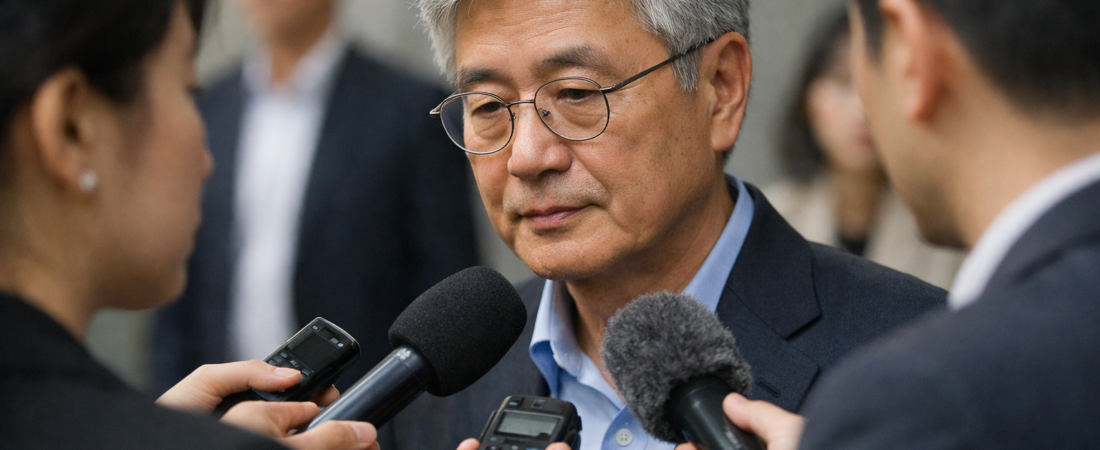
AI-Generated Photorealistic Image — All people, scenes, and details in this image are entirely AI-generated and fictional. Not a real photograph of an actual person or event. 이 이미지는 AI로 생성된 가상 이미지입니다.


Leave a Reply