
Table of Contents
Who should own a national news network? That question sits at the center of one of Korea’s most closely watched media disputes right now. And Bangmitongwi, Korea’s broadcasting and communications regulator, just took another step toward answering it.
This week, Bangmitongwi announced plans to hear from key stakeholders in the YTN ownership case. The meeting, scheduled for the morning of the 20th, will include YTN’s labor and management representatives. Yujin Group, the company at the heart of the controversy, will also have a seat at the table.
If you follow Korean media politics, this story probably sounds familiar. But the details matter more than ever, especially as Bangmitongwi navigates leadership changes and political pressure at the same time.
What Is Bangmitongwi and Why YTN Is in the Spotlight
Bangmitongwi stands for Korea’s Broadcasting, Media and Communications Commission. Think of it as the government body that oversees who can own and operate broadcast media in Korea. It approves ownership changes, licenses broadcasters, and settles disputes when things go wrong.
Right now, Bangmitongwi faces a complicated case: the approval it once gave for a change in YTN’s largest shareholder. That approval is now under review for possible cancellation. Why does this matter so much?
Because YTN is not just any broadcaster. It’s one of Korea’s major news channels, watched by millions daily. When ownership changes at a network like this, questions about editorial independence naturally follow.
Yujin Group became YTN’s largest shareholder after a Bangmitongwi-approved deal. Since then, critics have raised concerns about the process itself. Was the approval rushed? Did it follow proper procedure? These are the exact questions Bangmitongwi must now answer by inviting all sides to speak.
Labor unions at YTN have pushed back hard against the ownership change since it happened. They argue the shift threatens the network’s journalistic independence. Yujin Group, understandably, sees things differently and wants its investment protected.
This is precisely why Bangmitongwi’s stakeholder meeting matters. It’s not just paperwork. It’s a real attempt to hear both sides before making a decision that could reshape one of Korea’s most influential news outlets.
Chairman Kim Jong-cheol’s Recusal: A Question of Trust
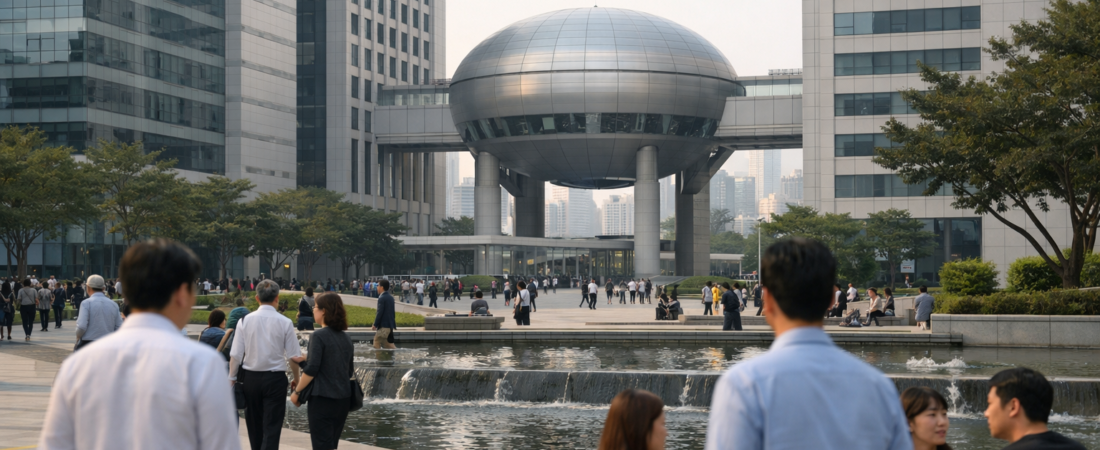
Here’s where the story gets more interesting. Kim Jong-cheol, the current chairperson of Bangmitongwi, has chosen to step back from this specific case. Why would a chairman avoid deliberating on such a major issue?
The answer involves his life before taking office. Before becoming chairman, Kim Jong-cheol was involved in public interest activities. Some of that work reportedly connects, even loosely, to the parties now involved in the YTN case.
Rather than risk any appearance of bias, Kim Jong-cheol decided to recuse himself entirely. This is a notable move in Korean regulatory culture, where officials don’t always step aside so readily. It signals a certain seriousness about procedural fairness at Bangmitongwi.
Still, his absence created a new problem. Without the chairman weighing in, the remaining commissioners had to debate the process on their own. Reports indicate they disagreed on both the timing and the proper procedure for reviewing the case.
Should the review happen quickly, given how long the YTN dispute has dragged on? Or should Bangmitongwi slow down and gather more testimony first? These aren’t easy questions, and reasonable commissioners can land on different answers.
What does this tell us about Bangmitongwi as an institution? It suggests a regulator trying to balance speed with fairness, even when that balance is hard to strike. Kim Jong-cheol’s recusal, whatever its immediate cost, protects the long-term credibility of the commission’s final ruling.
For readers unfamiliar with Korean regulatory bodies, this kind of self-imposed recusal carries real weight. It shows that even powerful officials recognize limits on their own authority. That recognition, in turn, builds public confidence in institutions like Bangmitongwi over time.
Public Broadcaster Appointments: Bangmitongwi’s Other Big Decision
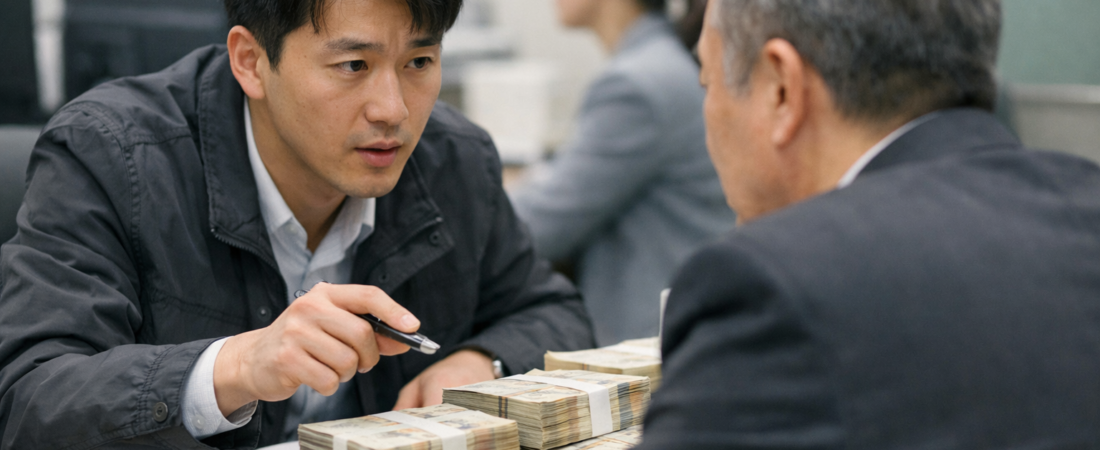
The YTN case wasn’t the only major item on Bangmitongwi’s agenda. The commission also voted on board nominations for Korea’s public broadcasters. These nominees came recommended by the Democratic Party of Korea, the country’s ruling party.
Bangmitongwi approved most of these nominations, moving them forward for formal appointment. But not every candidate made it through. Some nominees were excluded because Bangmitongwi determined that further verification was necessary before confirming them.
Why does this distinction matter? Public broadcaster boards in Korea hold enormous influence over editorial direction and management appointments. Whoever sits on these boards shapes how millions of Koreans receive their daily news.
Political parties have long fought over these board seats, and this case is no exception. When a ruling party recommends board members, opposition voices often question the independence of the outcome. Bangmitongwi’s decision to exclude certain candidates, pending further checks, offers at least a partial counterweight to that criticism.
This pattern isn’t new in Korean media history. Public broadcaster boards have shifted back and forth with changing political administrations for decades. Each transition brings fresh debates about balance, fairness, and whether regulators like Bangmitongwi can truly stay neutral.
Readers outside Korea might wonder why board appointments generate so much controversy. The short answer: Korean public broadcasters, like KBS and MBC, carry significant cultural authority. Control over their leadership often translates into influence over national conversation itself.
Bangmitongwi’s handling of these appointments, alongside the YTN review, shows an agency juggling multiple high-stakes decisions simultaneously. That’s a heavy workload for any regulator. And how well Bangmitongwi manages both cases will likely shape public trust in the commission for years to come.
What Bangmitongwi’s Choices Mean for Korean Media Governance
Step back for a moment. What do these two stories, the YTN review and the board appointments, have in common? Both center on a single question: who controls Korea’s media narrative?
Bangmitongwi sits at the crossroads of that question every single day. Its decisions ripple outward, affecting journalists, viewers, investors, and politicians alike. That’s a lot of pressure for one regulatory body to bear.
Some observers argue Bangmitongwi needs clearer, faster procedures for cases like the YTN dispute. Others believe careful deliberation, even if slower, produces better long-term outcomes. Both sides have a point, honestly.
Korea’s media landscape has transformed dramatically over the past two decades. Cable news, digital platforms, and now streaming services compete alongside traditional broadcasters like YTN. Yet ownership battles and board appointments still dominate headlines, showing how much institutional control still matters.
For readers interested in deeper policy context, outlets like Yonhap News Agency continue tracking these developments closely. Following how Bangmitongwi resolves the YTN case will offer a useful case study. It shows how Korean regulators balance political pressure against procedural integrity.
Looking ahead, Bangmitongwi’s next moves will matter. Will the commission move quickly on YTN, or will it take more time to gather testimony? Will excluded board nominees eventually clear the additional verification process?
These aren’t just bureaucratic details. They’re signals about how seriously Korea takes media independence going into the next few years. Chairman Kim Jong-cheol’s recusal already suggests one thing: procedural caution is winning out over speed, at least for now.
That caution might frustrate people who want quick answers. But it also protects Bangmitongwi’s legitimacy as an institution. In a media environment where trust is fragile, that legitimacy may be worth more than speed.
So here’s a question worth sitting with: does careful, slow regulatory process serve democracy better than fast decisions? Korea’s Bangmitongwi seems to be betting on caution. What do you think about how Korea is handling media ownership and broadcaster governance through Bangmitongwi right now?
AI-Generated Photorealistic Image — All people, scenes, and details in this image are entirely AI-generated and fictional. Not a real photograph of an actual person or event. 이 이미지는 AI로 생성된 가상 이미지입니다.


Leave a Reply