Table of Contents
Can a single legal term split an entire ruling party? In Korea right now, that question isn’t hypothetical. The debate over supplementary investigative authority for prosecutors has turned into a public brawl inside the Democratic Party of Korea, and it’s getting personal.
Should prosecutors keep a narrow, exceptional right to investigate further? Or should that power disappear completely? This single question has split lawmakers, reopened old wounds, and pulled President Lee Jae-myung into the crossfire.
What Is Supplementary Investigative Authority?
Let’s start with the basics. Supplementary investigative authority refers to a prosecutor’s limited power to conduct additional investigation after police finish their initial work.
Korea spent years stripping prosecutors of their broad investigative powers. Reformers wanted a clean split: police investigate, prosecutors indict.
But real cases are messy. Sometimes police miss evidence, or a case needs one more look before trial.
That’s where supplementary investigative authority comes in — a safety valve, not a full return to old powers. Some lawmakers see this authority as a practical necessity.
Without it, they argue, weak police work could let guilty people walk free. Others see any leftover supplementary investigative authority as a loophole, a door back to prosecutorial overreach.
Why does this distinction matter so much? Because Korea’s prosecutorial reform movement built its entire identity around limiting prosecutor power.
For decades, prosecutors in Korea held enormous influence — over politics, over business, over ordinary citizens’ lives. The push to separate investigation from indictment wasn’t just legal housekeeping.
It was a political statement about checking unchecked power. Any hint of exception, even a narrow one, feels like betrayal to reform purists inside the party.
Yoo Si-min’s Comments Ignite a Firestorm
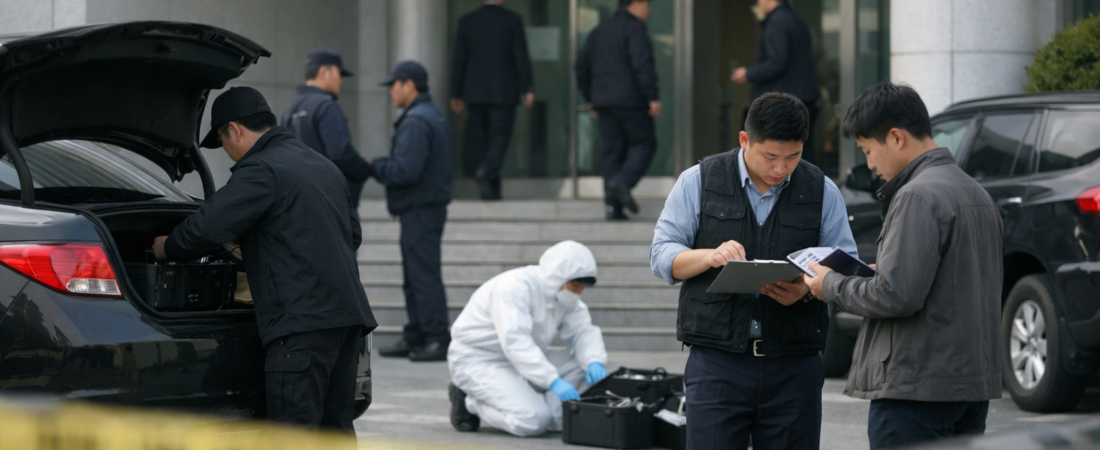
Enter Yoo Si-min, the well-known author and political commentator. Yoo suggested something explosive: that delays in fully abolishing supplementary investigative authority trace back to President Lee Jae-myung’s own thinking.
In other words, Yoo implied the president himself may prefer keeping some exceptional authority in place. That’s a bold claim to make about a sitting president from his own camp.
Why did this land so hard? Because Lee built much of his political brand on being tough on prosecutorial power.
Suggesting he’s soft on supplementary investigative authority cuts against that image directly. Democratic Party lawmakers didn’t stay quiet.
Several pushed back hard, rejecting any suggestion that Lee was slowing down reform. Some called Yoo’s framing unfair, even reckless, given how sensitive this topic already is.
Here’s the deeper issue though. Yoo isn’t just any commentator — he carries real weight among progressive voters.
When someone with that kind of influence connects a policy delay to the president’s personal will, supporters take notice. Was Yoo simply stating an inconvenient truth?
Or was he stirring division for attention? Either way, the comment forced a private disagreement into public view, and party unity took the hit.
Democratic Party Split: Exception or Total Abolition?
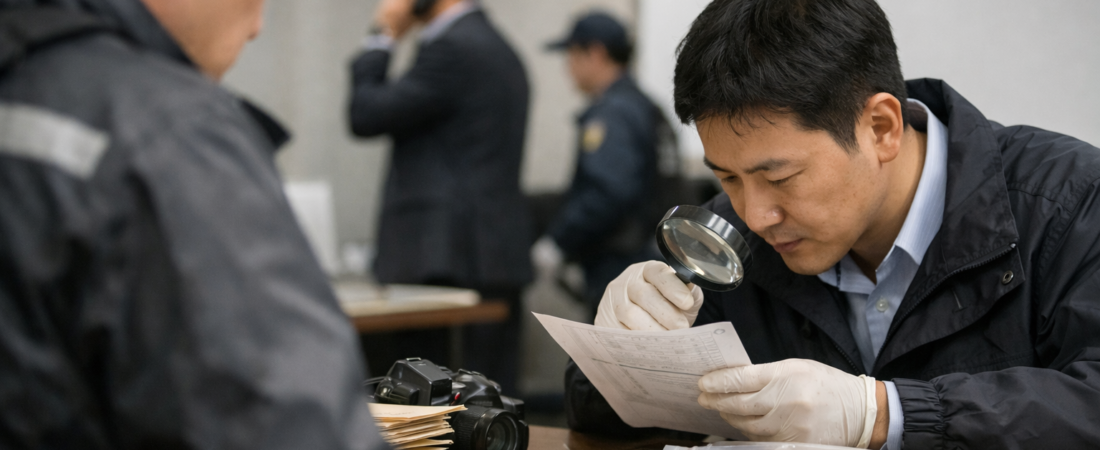
Now the party faces a real fork in the road. One faction wants to allow supplementary investigative authority under narrow, exceptional conditions.
Their logic is practical: total abolition might leave gaps that let real criminals escape justice. They point to police under-resourcing and inexperience in complex financial or corruption cases.
The other faction wants full, immediate abolition — no exceptions, no gray areas. For them, any leftover supplementary investigative authority undermines the entire reform project.
They argue that exceptions always expand over time. Give prosecutors an inch, they warn, and history shows they’ll take a mile.
This isn’t just an abstract legal argument inside the National Assembly. It’s a fight over the party’s core identity and its promise to supporters.
Many Democratic Party voters supported Lee Jae-myung specifically because of his tough stance on prosecutorial reform. If the party appears to soften that stance now, how will its base react?
Some supporters already feel uneasy watching the public feuding play out. According to the source report, the controversy has spread well beyond party insiders into broader public debate.
That visibility raises the stakes even further. A party that campaigned on unity around prosecutorial reform now looks divided in plain sight.
And division, especially on a signature issue like supplementary investigative authority, rarely goes unnoticed by voters.
What This Fight Means for Korea’s Prosecutorial Reform
So where does this leave Korea’s prosecutorial reform journey? Somewhere uncertain, honestly.
The debate over supplementary investigative authority isn’t just about one legal clause. It’s a test of whether reform-minded parties can hold together once they hold real power.
It’s easy to unite against a common opponent. It’s much harder to agree on details once you’re actually writing the law.
This tension isn’t unique to Korea. Reform movements everywhere face this same moment — the shift from opposition to governance.
Ideals sound simple in speeches. Implementation always gets complicated.
Korea’s prosecutorial reform started years ago, driven by frustration with prosecutor overreach in political cases. Now that Lee Jae-myung’s government holds power, that same reform faces its hardest test: turning principle into precise, workable law.
Will the party choose a narrow exception for supplementary investigative authority, betting on practicality over purity? Or will it push for total abolition, betting on symbolic consistency over flexibility?
Either choice carries real consequences for how prosecutors operate — and how much power they hold — for years to come. Watch how party leadership handles the coming weeks.
Do they let this fracture widen, or move quickly to present a unified position? For global readers, this moment offers a window into how young democracies wrestle with balancing power and accountability.
Korea’s experience with supplementary investigative authority shows that reform isn’t a single vote — it’s an ongoing negotiation. What do you think: should Korea keep a narrow exception for supplementary investigative authority, or push for complete abolition?
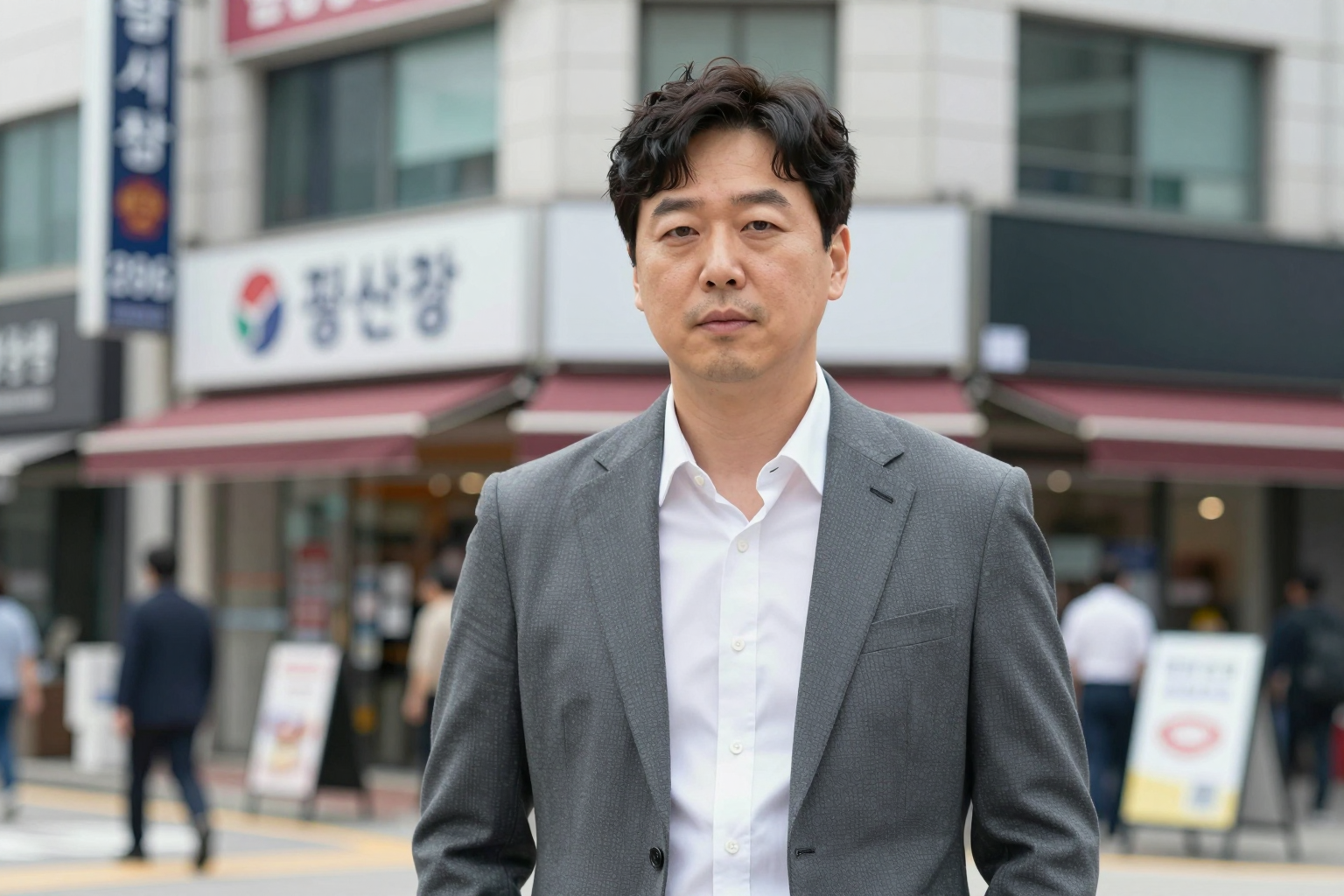
AI-Generated Photorealistic Image — All people, scenes, and details in this image are entirely AI-generated and fictional. Not a real photograph of an actual person or event. 이 이미지는 AI로 생성된 가상 이미지입니다.


Leave a Reply