Table of Contents
Can a politician fight his way back into a party that seems reluctant to have him? That’s the question surrounding Han Dong-hoon right now. The independent lawmaker is pushing hard for his return to the People Power Party, and the resistance he’s facing is turning into one of the most watched political dramas in Seoul.
Han Dong-hoon isn’t backing down quietly. He’s accusing party leadership of picking fights with him just to stay relevant. That’s a bold claim, and it deserves a closer look.
Han Dong-hoon’s Bid to Return: What Just Happened
Han Dong-hoon currently sits as an independent lawmaker, separated from the People Power Party he once led. His attempt to rejoin the party has become a flashpoint. Why does one man’s membership status matter so much to an entire political organization?
Because Han Dong-hoon isn’t just any former member. He led the People Power Party during a turbulent period, and his political brand still carries weight among certain conservative voters. His push to return, then, isn’t a small procedural request — it’s a signal about where conservative power in Korea might be heading next.
According to the summary of recent statements, Han Dong-hoon argues that opposition to his return is actually shrinking. Fewer voices, he claims, are standing against his comeback. If that’s true, it suggests momentum is shifting in his favor, even as vocal critics remain.
Han Dong-hoon has framed his return not as a personal favor, but as part of a larger mission. He talks about rebuilding conservative politics and preparing for future electoral victory. That framing matters — it positions his re-entry as something bigger than one man’s career ambition.
You might ask: is this really about ideology, or is it about power? Korean political history offers plenty of examples where “party rebuilding” language masked simple factional struggles. Readers should watch closely to see whether Han Dong-hoon’s rhetoric translates into concrete policy shifts or remains purely strategic positioning.
The Clash with Jang Dong-hyuk: Fighting for Survival?
Jang Dong-hyuk, the current leader of the People Power Party, has publicly opposed Han Dong-hoon’s return. That opposition didn’t sit well with Han Dong-hoon at all. He fired back with a sharp accusation — that Jang Dong-hyuk is picking a fight with him simply to extend his own political relevance.
Think about that claim for a second. Is Jang Dong-hyuk genuinely worried about party unity, or is he using Han Dong-hoon as a convenient target to boost his own profile? Political leaders often need a clear opponent to rally supporters, and Han Dong-hoon may see himself being cast in exactly that role.
This isn’t just personal drama between two men. It reflects a deeper tension inside Korean conservative politics about direction and leadership. Should the party look backward toward familiar figures, or forward toward new voices?
Han Dong-hoon’s response suggests he believes the tide is turning his way. He pointed out that fewer party members now oppose his return compared to before. That’s a strategic move — by publicly framing himself as the winning side of an internal debate, he pressures undecided members to reconsider their stance.
Whether that pressure works remains to be seen. Korean party politics has a long history of internal factional battles, from the days of past conservative splits to more recent leadership contests. Han Dong-hoon is betting that history favors comeback stories, not permanent exile.
Ahn Cheol-soo Weighs In — And Han Dong-hoon Fires Back
Jang Dong-hyuk wasn’t the only voice opposing Han Dong-hoon’s return. Ahn Cheol-soo, another prominent lawmaker within the party, also spoke out against it. Ahn Cheol-soo has a long history in Korean politics, including his own past attempts at party-building and presidential runs, which gives his opinion added weight among conservative circles.
Han Dong-hoon didn’t let that opposition slide either. His response was pointed and rhetorical: did Ahn Cheol-soo mean to suggest that Han Dong-hoon should just start his own party instead? That’s a sharp rebuttal, turning Ahn Cheol-soo’s criticism into a question about political strategy rather than personal loyalty.
Why does this exchange matter beyond the personalities involved? Because it exposes a real fork in the road for Korean conservatives. Should dissenting figures like Han Dong-hoon integrate back into the existing party structure, or should they build alternative platforms entirely?
Ahn Cheol-soo himself once walked that second path, founding his own party years ago before eventually merging back into mainstream conservative politics. Han Dong-hoon’s counter-question to Ahn Cheol-soo almost echoes that history back at him. It’s a clever rhetorical move — reminding Ahn Cheol-soo that party-splitting rarely produces long-term political success in Korea.
Readers interested in a broader view of Korean legislative dynamics can check ongoing coverage from Yonhap News Agency for additional context on how these party tensions are evolving. This kind of internal conservative debate isn’t new, but the stakes feel higher heading into upcoming election cycles. Han Dong-hoon clearly wants to be seen as the future, not a relic of past controversy.
What This Means for Korea’s Conservative Politics in 2026
So where does this leave Korea’s conservative movement? Han Dong-hoon’s push for party re-entry is really a test case for how Korean conservatives handle internal disagreement. Will they close ranks against a controversial figure, or find a way to bring him back into the fold?
Han Dong-hoon insists that opposition to his return is fading. If that pattern continues, party leadership may face growing internal pressure to formally welcome him back. Leaders like Jang Dong-hyuk and Ahn Cheol-soo would then need to recalibrate their public positioning, especially with future elections on the horizon.
This story also matters for anyone trying to understand Korean political culture more broadly. Korean parties often experience dramatic splits and equally dramatic reunions. Figures who leave under difficult circumstances sometimes return years later as central figures again — it’s almost a recurring pattern in Korean party history.
Han Dong-hoon’s case fits that pattern closely. His time leading the party ended amid controversy, yet he clearly believes his political future still lies within that same organization. That belief itself tells you something about how Korean conservative identity is built around key personalities as much as policy platforms.
For global readers, this local drama offers a useful lesson about political resilience and party loyalty in Korea. Personal rivalries between figures like Han Dong-hoon, Jang Dong-hyuk, and Ahn Cheol-soo aren’t just gossip — they shape which policies gain traction and which leaders get a second chance. As Korea heads toward its next major election cycle, expect Han Dong-hoon’s name to keep surfacing in these debates.
What do you think — should parties give controversial former leaders like Han Dong-hoon a second chance, or is it healthier for politics to let new leadership emerge without them?
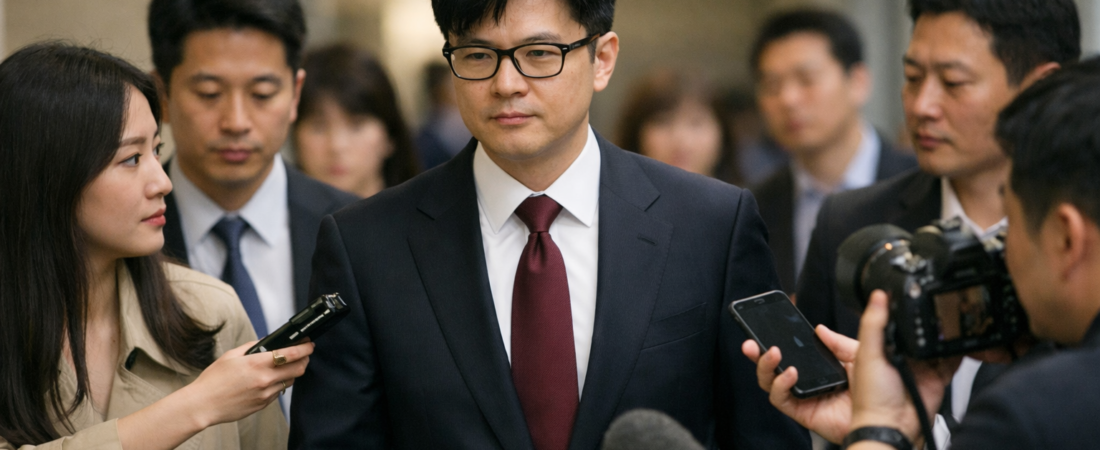
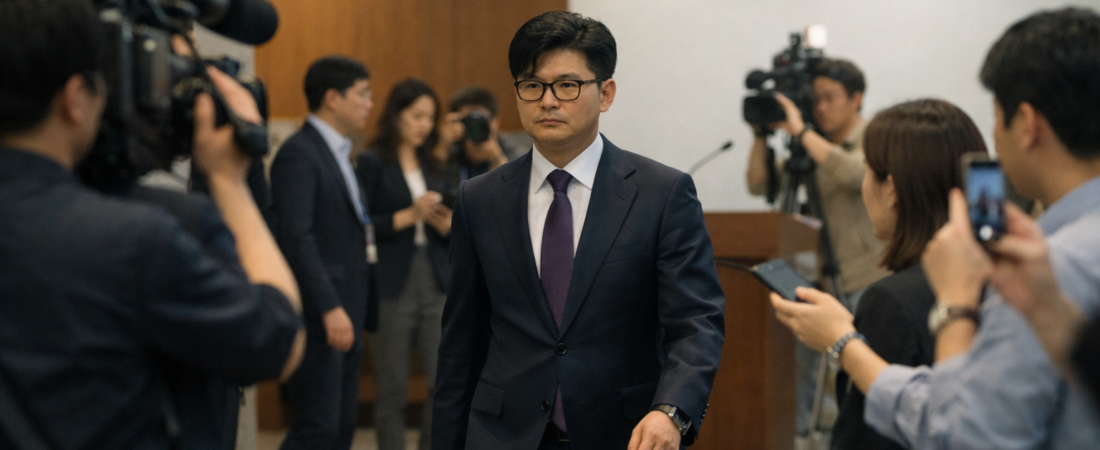
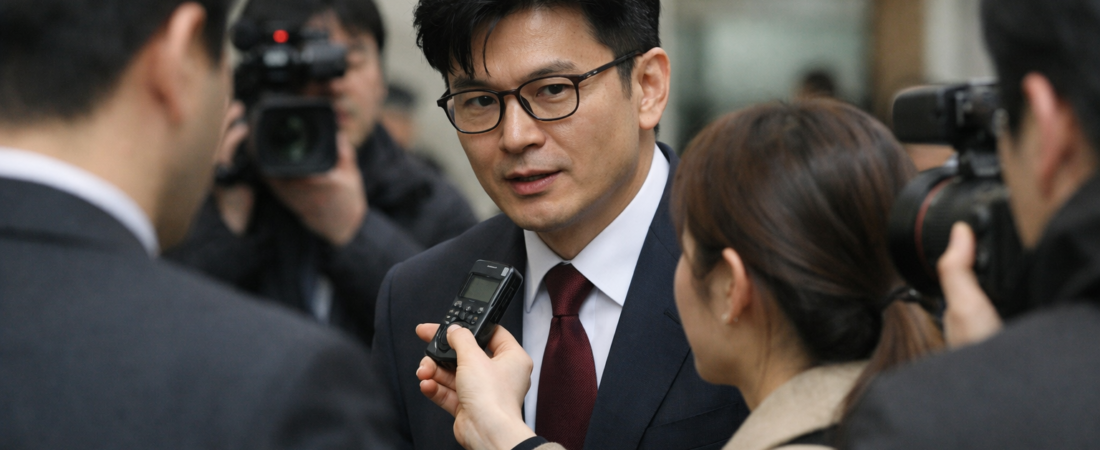
AI-Generated Photorealistic Image — All people, scenes, and details in this image are entirely AI-generated and fictional. Not a real photograph of an actual person or event. 이 이미지는 AI로 생성된 가상 이미지입니다.


Leave a Reply