Table of Contents
Can a single locked door undo an entire election process? That question is spreading fast after chaos erupted at a polling station in Seoul. A voting time extension meant to help citizens instead created confusion, anger, and a serious legal debate.
At Polling Station No. 2 in Jamsil 7-dong, voting continued past the official closing time. But then the doors locked, ballot counting started early, and only one person managed to vote afterward. This is not a small technical glitch. It touches the core of what makes an election fair.
What Happened at Jamsil 7-dong Polling Station
Let’s walk through the timeline first. Voting was still happening at Jamsil 7-dong’s second polling station after the scheduled closing time. This alone was not unusual; the Seoul Election Commission had already announced a voting time extension for that location.
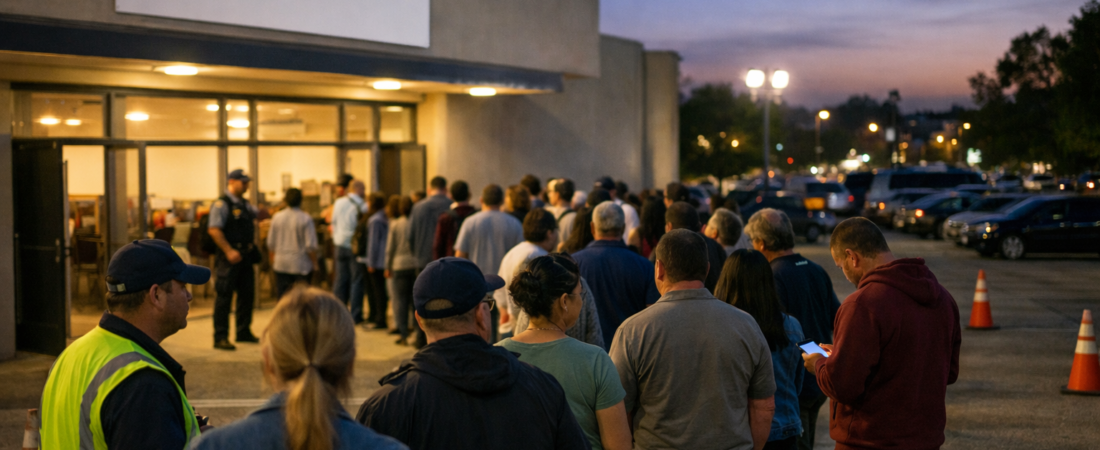
But something went wrong right after the announcement. Citizens rushed toward the polling station, hoping to use the extended window. Instead of an orderly process, they found the entrance locked.
Only people holding a numbered waiting ticket were allowed limited entry. Everyone else stood outside, confused and frustrated. According to CCTV footage reviewed afterward, just one person actually cast a vote after the doors were locked.
Think about that for a moment. A voting time extension was announced to protect people’s right to vote. Yet the very door meant to let them in became the barrier that kept them out.
Adding to the confusion, ballot counting reportedly began before the extended voting period had fully closed. For an election, timing is everything. When counting starts too early, it raises doubts about whether every vote was properly included before the tally began.
Local reports and eyewitness accounts described a scene that felt more like a bottleneck than a solution. People who arrived just minutes after the doors locked were turned away. Some had traveled from work, assuming the announced voting time extension gave them enough buffer. It didn’t.
How Voting Time Extension Works in Korea
So how does a voting time extension normally work in Korea? Election commissions can extend hours at specific polling stations when problems occur. These problems might include equipment failure, unexpected crowding, or administrative delays.
The goal is simple: make sure no eligible voter loses their chance to participate. In theory, a voting time extension protects democracy rather than complicating it. It gives officials flexibility when unexpected issues threaten to shut out legitimate voters.
But flexibility only works if it’s applied consistently. If one polling station announces extra time and then locks its doors minutes later, the extension becomes meaningless. Worse, it creates unequal treatment among voters standing in the very same line.
Korea’s National Election Commission operates under strict procedural rules for a reason. Every step, from opening polls to sealing ballot boxes, follows a fixed legal sequence. A voting time extension is supposed to fit smoothly into that sequence, not create a new source of chaos.
Compare this to how extensions typically work in other democracies. In the United States, for example, courts have occasionally ordered polling places to stay open later after documented delays. The extension is enforced by court order, with clear public notice and consistent access for everyone in line at that moment.
Korea’s system relies more on administrative discretion from local election commissions. That can be efficient in calm situations. But as the Jamsil 7-dong case shows, it can backfire badly when crowds and confusion collide with an announced voting time extension.
Why the Locked Door Sparked Legal Controversy

Here’s where things get serious. Korean election law protects every citizen’s right to vote, known as the constitutional right of suffrage. When a voting time extension is announced, that promise extends to everyone who arrives within the new window.
Locking the doors right after the announcement raises an obvious question. Did the Seoul Election Commission actually deliver on its own promise, or did it accidentally block the very right it tried to protect?
Legal experts point to two overlapping problems here. First, there’s the issue of procedural legality — did election officials follow the correct steps when they closed the entrance and began counting ballots? Second, there’s the issue of voter rights — were citizens who arrived in good faith denied a right they were legally promised?
Both questions matter enormously for public trust. An election isn’t just about the final numbers. It’s about whether the process itself was fair, transparent, and equally applied to everyone.
The fact that only one person voted after the doors locked makes this case especially striking. If dozens of people were waiting outside with valid waiting tickets, why did only one actually get through? That gap between the announced extension and the real outcome is exactly what’s fueling the current controversy.
For readers unfamiliar with Korean election procedures, it helps to know how tightly controlled ballot counting normally is. Officials seal ballot boxes and begin counting only after every polling station officially closes. When counting starts while a voting time extension is still technically active, it directly contradicts standard procedure and raises red flags about the legitimacy of the process.
What This Means for Trust in Korean Elections
Why should you care about one confusing evening at a single polling station? Because incidents like this shape how millions of citizens view their entire electoral system. Trust in elections isn’t built through big speeches — it’s built through small, consistent moments of fairness.
When a voting time extension goes wrong this visibly, it invites scrutiny of the whole system. Was this an isolated mistake, or a sign of deeper gaps in how Korea manages election-day emergencies? That’s the question officials will need to answer clearly and quickly.
South Korea has generally earned strong marks for election administration. Voter turnout tends to be high, and the process is usually seen as efficient and transparent. You can read more detailed background on Korea’s election oversight system through Korea Herald, which has covered similar procedural debates in the past.
Still, reputation isn’t permanent. A single mishandled voting time extension can chip away at public confidence, especially in a tightly contested race. Citizens who felt shut out of the process won’t easily forget it, no matter how the final results turn out.
Going forward, election commissions may need clearer protocols specifically for voting time extension situations. That could mean standardized procedures for crowd management, stricter rules about when counting can begin, and better real-time communication with waiting voters. Technology could help too — real-time queue tracking or digital verification might prevent the kind of bottleneck seen at Jamsil 7-dong.
Korea’s election system has weathered controversies before and adapted through reform. This moment could become another turning point, pushing officials toward tighter safeguards around any future voting time extension. What do you think — should Korea adopt stricter legal rules for handling voting time extensions at individual polling stations?
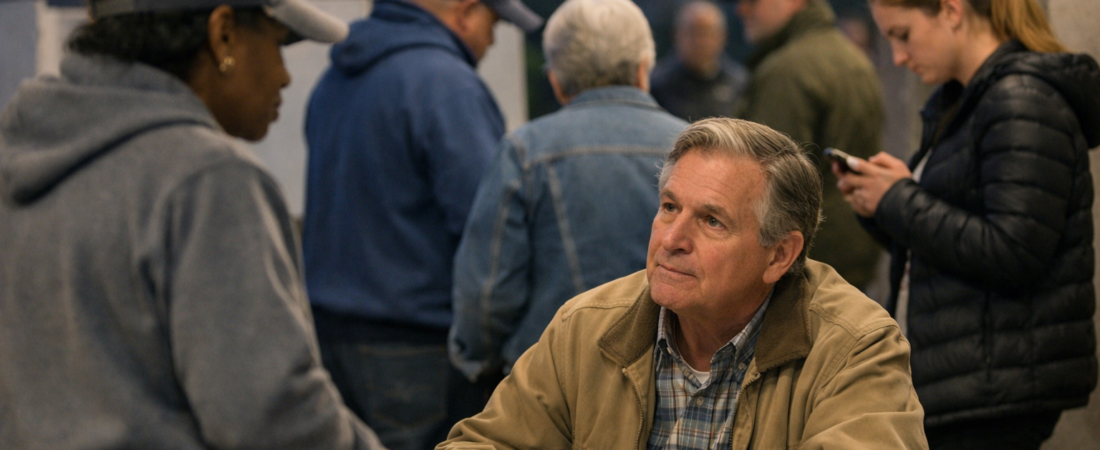
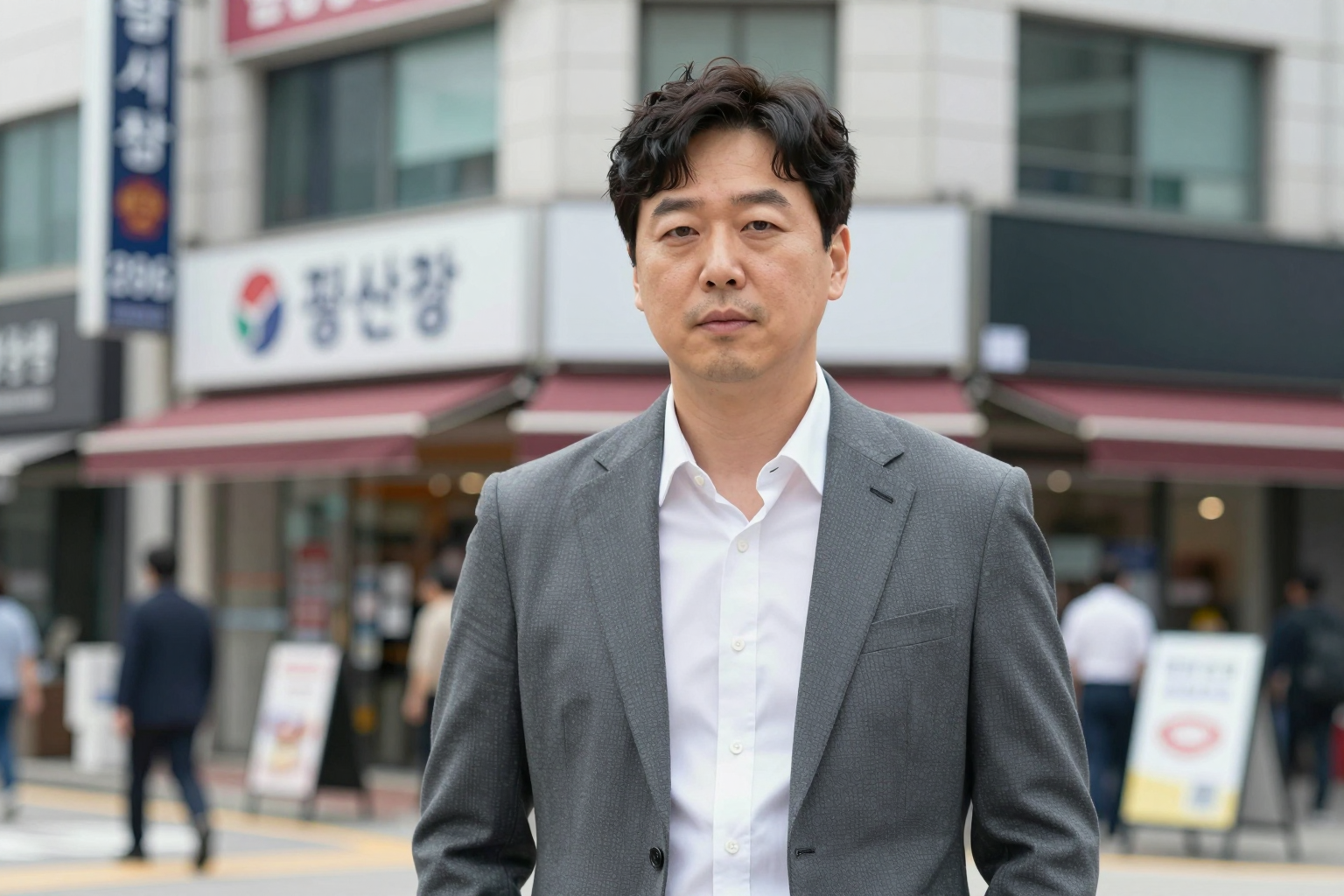
AI-Generated Photorealistic Image — All people, scenes, and details in this image are entirely AI-generated and fictional. Not a real photograph of an actual person or event. 이 이미지는 AI로 생성된 가상 이미지입니다.
Leave a Reply