Table of Contents
Can a single speech change the shape of a nation’s government? National Assembly Speaker Jo Jeong-sik seems to think so.
On the 78th anniversary of Constitution Day, he called for a sweeping constitutional amendment before the current 22nd National Assembly ends its term. Why does this matter to you, even if you’ve never set foot in Seoul?
Because Korea’s constitutional amendment debate touches something universal: how democracies protect themselves from abuse of power. Let’s break down what Speaker Jo actually proposed, and why the timing feels different this time.
Why Speaker Jo Jeong-sik Wants Constitutional Amendment Now
Speaker Jo used his Constitution Day address to set a clear deadline. He wants a “national sovereignty” constitutional amendment drafted by 2027, with the 10th constitutional amendment finalized before this National Assembly’s term expires.
That’s an ambitious timeline for a country that hasn’t touched its constitution since 1987. You might ask, why now?
The answer lies partly in recent political shocks. South Korea’s brief martial law declaration in December 2024 exposed gaps in presidential power that many lawmakers now want closed permanently. Speaker Jo’s push for constitutional amendment reflects a broader anxiety: if one person can suspend democratic norms overnight, maybe the rulebook itself needs rewriting.
This isn’t just political theater. Constitutional amendment in Korea requires a two-thirds majority in the National Assembly, plus a national referendum.
That’s an incredibly high bar, which explains why serious amendment attempts happen so rarely. Speaker Jo clearly believes the current moment — with fresh memories of the martial law crisis — offers a rare political window to act.
The Core Proposals: Sovereignty, Martial Law, and Power Structure
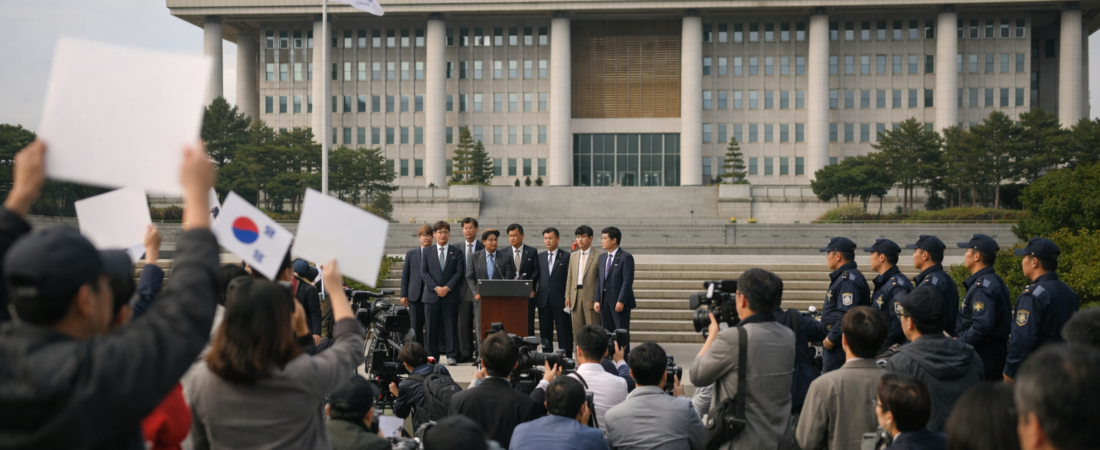
What exactly does Speaker Jo want changed? Four items stood out in his address, and each one carries real weight for how Korea governs itself.
First, he called for including the spirit of the May 18 Democratic Uprising in the constitution’s preamble. This 1980 pro-democracy movement in Gwangju remains a foundational moment in Korea’s democratic story. Writing it into the preamble would formally recognize its role in shaping modern Korean democracy, not just as history, but as constitutional principle.
Second, Speaker Jo pushed for limits on the president’s power to declare martial law. Given the events of December 2024, this proposal feels less theoretical and more urgent. Constitutional amendment on this front would add checks that prevent any future president from sidelining the National Assembly through emergency powers.
Third, he addressed Korea’s power structure itself. Should Korea keep its current presidential system, or move toward something with more shared power? This question sits at the heart of nearly every constitutional amendment debate in Korean politics for the past two decades.
Finally, Speaker Jo called for election management reform. Trust in electoral institutions matters everywhere, and Korea is no exception. Bundling this reform with broader constitutional amendment efforts signals that Speaker Jo sees institutional trust as one connected problem, not separate issues.
Historical Context: Korea’s Long Road to Constitutional Amendment
Here’s something worth knowing: Korea has amended its constitution nine times since 1948. But the current version, adopted in 1987, has survived nearly four decades without change.
Why has it lasted so long? The 1987 constitution emerged from massive pro-democracy protests that ended decades of authoritarian rule.
It introduced direct presidential elections and a single five-year presidential term, both designed to prevent any one leader from clinging to power. For a young democracy, that system worked reasonably well for years.
But cracks have shown over time. Korea’s single-term presidency, meant to prevent dictatorship, sometimes creates a different problem: lame-duck presidents with limited accountability in their final years. Critics have long argued this system needs constitutional amendment to fix structural weaknesses that 1987 lawmakers couldn’t have fully anticipated.
Previous attempts at constitutional amendment have failed largely due to political timing. Presidents have historically avoided pushing constitutional amendment early in their terms, fearing it would look self-serving. Opposition parties, meanwhile, often resist amendment proposed by presidents they don’t trust.
This cycle of mutual suspicion has blocked meaningful constitutional amendment for 38 years. Speaker Jo’s proposal is notable precisely because it comes from the legislative branch, not the presidency. That framing might help constitutional amendment escape the trap of looking like a power grab by any single leader.
For readers wanting deeper background on Korea’s constitutional history, the Yonhap News Agency offers useful context on how these debates have evolved. Understanding this history helps explain why Speaker Jo’s current push feels different from past failed attempts.
What Comes Next: Committees, Talks, and a New National Holiday
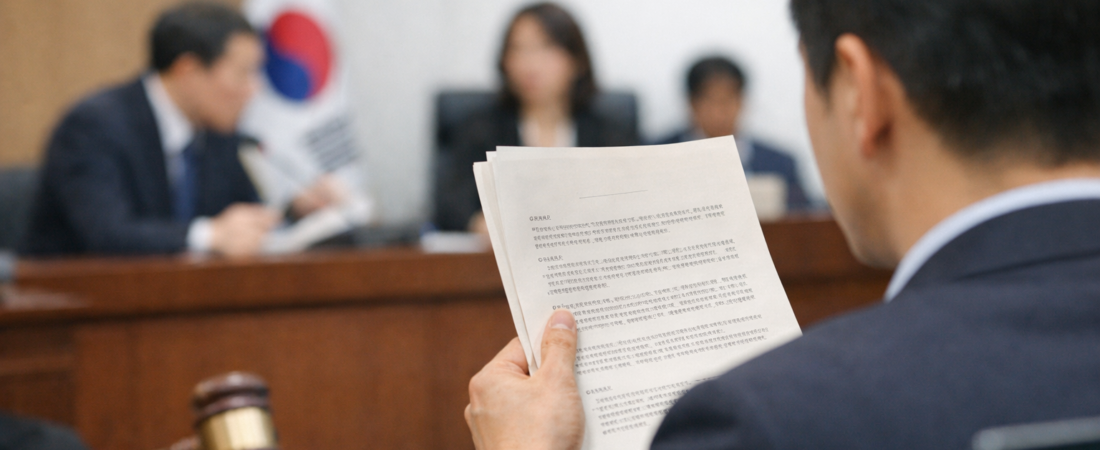
Speaker Jo didn’t just make speeches. He announced concrete institutional steps to move constitutional amendment forward.
He’s launching a Constitutional Amendment Advisory Committee under the Speaker’s direct authority. This committee will presumably draft specific language for the 2027 sovereignty amendment, rather than leaving broad principles undefined.
Speaker Jo also proposed holding Inter-Korean Parliamentary Talks. This is a striking addition to a constitutional amendment discussion — why bring North Korea into a domestic legal reform process?
One possible answer: constitutional language about sovereignty and territory has always had implications for how Korea legally relates to the North. Any serious constitutional amendment conversation eventually touches this sensitive area.
Perhaps the most symbolic announcement was designating December 3 as “National Sovereignty Day.” That date isn’t random.
December 3, 2024 was the night martial law was declared, then reversed within hours after massive public and legislative pushback. Turning that date into an annual observance reframes a moment of crisis into a symbol of democratic resilience. It’s a clever move, tying the emotional memory of that night directly to the ongoing constitutional amendment campaign.
Will all these initiatives actually produce a finished constitutional amendment by 2027? That remains uncertain. Korea’s two-thirds legislative threshold plus referendum requirement means Speaker Jo needs broad cross-party support, not just enthusiasm from his own side. But by creating institutional structures now — the advisory committee, the inter-Korean talks, the symbolic holiday — he’s building momentum that’s harder to reverse than a single speech would be.
Why This Matters Beyond Korea’s Borders
You might wonder why a domestic legal reform in Korea deserves your attention. Here’s the honest answer: constitutional amendment debates reveal how democracies handle their most dangerous moments.
Korea just experienced a martial law scare in December 2024, and lawmakers are now trying to legally prevent a repeat. That’s a live case study in democratic self-correction, something relevant to any country watching executive power expand globally.
Consider how few democracies successfully reform their constitutions after a crisis without lasting political damage. Korea’s attempt at constitutional amendment, if successful, could offer a model for other nations facing similar tensions between executive authority and legislative oversight. If it fails, that failure teaches its own lessons about how hard institutional change really is, even when public appetite for reform seems strong.
Either outcome gives outside observers something concrete to study. Korea’s constitutional amendment process isn’t happening in isolation — it’s part of a broader global conversation about protecting democratic institutions from sudden executive overreach.
What do you think about Korea’s approach to constitutional amendment after a martial law crisis? Does building institutions like advisory committees and symbolic holidays actually create lasting reform, or does real change require something more?
AI-Generated Photorealistic Image — All people, scenes, and details in this image are entirely AI-generated and fictional. Not a real photograph of an actual person or event. 이 이미지는 AI로 생성된 가상 이미지입니다.


Leave a Reply