Table of Contents
Can a political party bend its own rules for the right people at the right time? That question is now dividing the Democratic Party of Korea from the inside out. A recent decision to waive membership fee requirements for two prominent figures has ignited a debate about fairness, favoritism, and generational trust.
The controversy centers on Song Young-gil and Kim Yong, both of whom faced questions about their eligibility to run in the party’s national convention. Their party dues were unpaid, which normally disqualifies a candidate under party rules. Yet the leadership chose a different path.
A Fairness Question Rocks the Democratic Party
Rules exist for a reason, right? In most organizations, membership dues are a basic requirement, not a negotiable formality. But inside the Democratic Party, that basic requirement suddenly became flexible.
Song Young-gil and Kim Yong, a former deputy director of the Democratic Research Institute, both had unpaid party dues. Under standard party bylaws, this issue should have blocked their candidacy for the upcoming national convention. Instead, party leadership brought the matter to a vote.
The vote passed, granting both men an exception. On paper, this looks like a simple procedural fix. In practice, it has opened a much bigger conversation about who gets special treatment inside the Democratic Party, and why.
Young party members did not stay quiet. Many pointed out that rules should apply equally, especially in a party that claims to represent ordinary citizens. If dues matter for junior members, shouldn’t they matter for senior ones too?
What Actually Happened: The Exception Vote
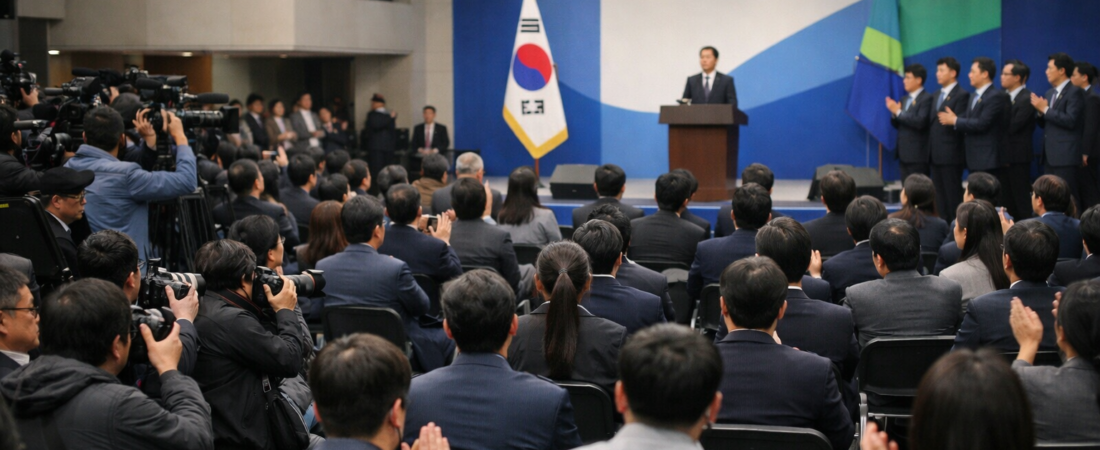
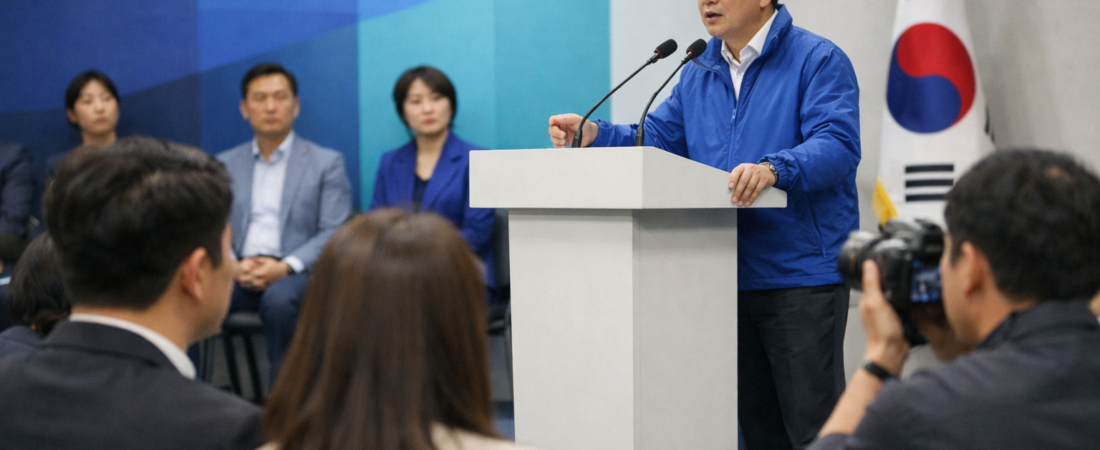
Let’s break down the mechanics of this decision. The Democratic Party’s leadership body held an internal vote specifically to approve exceptions for Song Young-gil and Kim Yong. This wasn’t a quiet administrative adjustment; it was a formal, recorded decision.
That distinction matters. A quiet fix might have drawn less attention. A formal vote, however, puts the party’s own values on public display.
Both Song Young-gil and Kim Yong carry significant political weight within Democratic Party circles. Song Young-gil is a long-serving lawmaker with deep roots in the party’s history. Kim Yong held a senior research position, giving him influence over party strategy and messaging.
Their standing likely played a role in how leadership approached this situation. When high-profile figures face disqualification, parties often look for solutions rather than exits. But solutions that bend eligibility rules can create a two-tier system, one for insiders and one for everyone else.
You can see why this bothers younger party members. They watch senior leaders receive exceptions while newer politicians are expected to follow every rule without deviation. That perception of a double standard is now spreading across party discussions, both online and offline.
For readers unfamiliar with Korean party structures, national conventions function similarly to leadership conferences. They determine who leads the party, and by extension, who shapes national policy direction. Eligibility rules exist to keep this process credible and consistent for every candidate involved.
The Park Ji-hyun Comparison and Why It Stings

Why does the Park Ji-hyun case keep coming up in this debate? Because it offers a sharp contrast that many young politicians find hard to ignore. Park Ji-hyun, a well-known figure among younger Democratic Party members, faced strict scrutiny during her own political rise.
She did not receive the kind of flexible treatment that Song Young-gil and Kim Yong just received. Her path forward within the party involved facing rules head-on, without special votes to smooth the way. That difference has become the emotional core of this controversy.
Young politicians are asking a pointed question: does seniority buy leniency inside the Democratic Party? If the answer is yes, that undermines the party’s claim to represent fairness and equal opportunity. It also risks alienating exactly the demographic the party needs most for its future.
South Korea’s political parties have long struggled with generational trust gaps. Older leaders often hold institutional power, while younger members push for reform and transparency. This dues controversy has become a flashpoint for that broader tension, not just an isolated rules dispute.
Historically, the Democratic Party has positioned itself as progressive and reform-minded, particularly regarding internal democracy. This self-image is now being tested by its own leadership’s actions. When a party’s practice contradicts its stated values, credibility takes a real hit.
Social media commentary among younger party supporters has reflected this frustration clearly. Comments compare the treatment of established figures against newer political voices like Park Ji-hyun. The optics alone create a narrative problem for Democratic Party leadership, regardless of their original intentions.
Factional Politics Behind the Democratic Party’s Decision
Is this really about party dues, or is something bigger happening behind closed doors? Several political observers argue the exception vote reflects deeper factional negotiations. Korean political parties often organize around informal factions tied to specific leaders or ideological camps.
The Democratic Party is no exception to this pattern. Song Young-gil and Kim Yong each carry factional significance beyond their individual candidacies. Allowing them into the race may serve as a bargaining chip among competing internal groups within the party.
This interpretation suggests the vote wasn’t really about fairness or rule flexibility at all. Instead, it may represent a compromise designed to balance power among rival factions. If true, that reframes the entire controversy in a more strategic, less procedural light.
Factional compromise is nothing new in Korean politics, but it carries real risks for public trust. When decisions look like backroom deals, voters start questioning whether stated principles mean anything. The Democratic Party now faces exactly that kind of credibility test heading into a critical convention season.
For readers watching Korean politics from outside the country, this pattern may feel familiar. Political parties everywhere balance internal factions against public image, often with mixed results. According to reporting from Korean News Source, this exception has already triggered internal debate that shows no sign of fading soon.
What happens next matters just as much as what already happened. Will the Democratic Party face lasting damage among younger supporters, or will this controversy fade once the convention concludes? Political memory in South Korea can be short, but generational resentment about fairness tends to linger longer than single news cycles.
The Democratic Party’s leadership now carries the burden of proving this exception was truly rare, not a preview of future flexibility. If similar situations arise again with different candidates, today’s decision becomes a precedent rather than an anomaly. That precedent could reshape how party members view internal rules going forward.
There’s also a broader lesson here about institutional consistency. Rules only protect fairness when they apply universally, without regard to a person’s rank or influence. The Democratic Party’s challenge now is convincing its own members, especially younger ones, that this principle still holds true.
Korean political parties compete constantly for public trust, especially among voters under forty. This demographic increasingly values transparency over tradition, and consistency over convenience. How the Democratic Party responds to this backlash may influence its appeal to that exact voter group in future elections.
Looking ahead, expect continued scrutiny of Democratic Party internal decisions as the national convention approaches. Party dues might seem like a small technical detail, but the trust questions it raised are anything but small. What do you think about the Democratic Party’s decision to grant these exceptions, and does it change how you view fairness inside Korean political institutions?
AI-Generated Photorealistic Image — All people, scenes, and details in this image are entirely AI-generated and fictional. Not a real photograph of an actual person or event. 이 이미지는 AI로 생성된 가상 이미지입니다.


Leave a Reply