Table of Contents
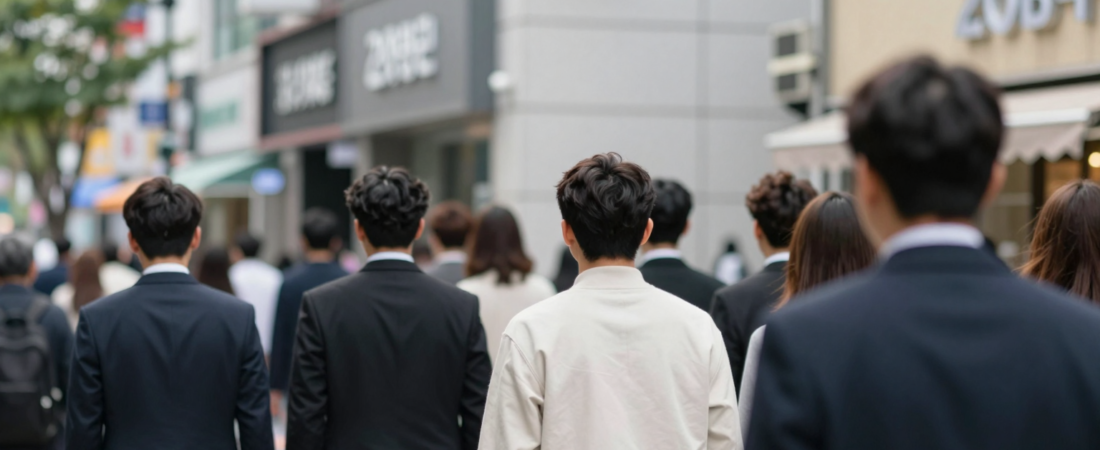
Korea’s 20-somethings are spending less, and the shift is reshaping entire neighborhoods. Sales at bars, cafes, and movie theaters near university campuses have been falling for years. The reason is simple: young Koreans are choosing water over soda, Netflix over movie tickets, and staying home over going out.
This is 20대 소비 in 2026 — a quiet but powerful transformation. Have you noticed how quiet some university neighborhoods feel lately, even with classes back in session? That silence tells a bigger story about Korea’s changing economy.
The New Face of 20대 Consumption
Fall semester started again across Korea this month. Normally, that means packed bars, crowded convenience stores, and long lines outside cafes near campus.
Not this year. According to Maeil Business Newspaper, students are skipping the traditional after-class routines entirely.
Instead of alcohol and carbonated drinks, many are simply drinking water. Instead of heading to theaters, they are streaming shows at home.
This pattern is now a defining feature of 20대 소비 trends nationwide. Convenience stores, once a daily stop for quick meals, are seeing fewer 20-something customers too.
Over the past five years, the share of people in their 20s among convenience store shoppers dropped by six percentage points. That is not a small dip — it is a structural shift in daily life.
Why University Districts Are Feeling the Pain
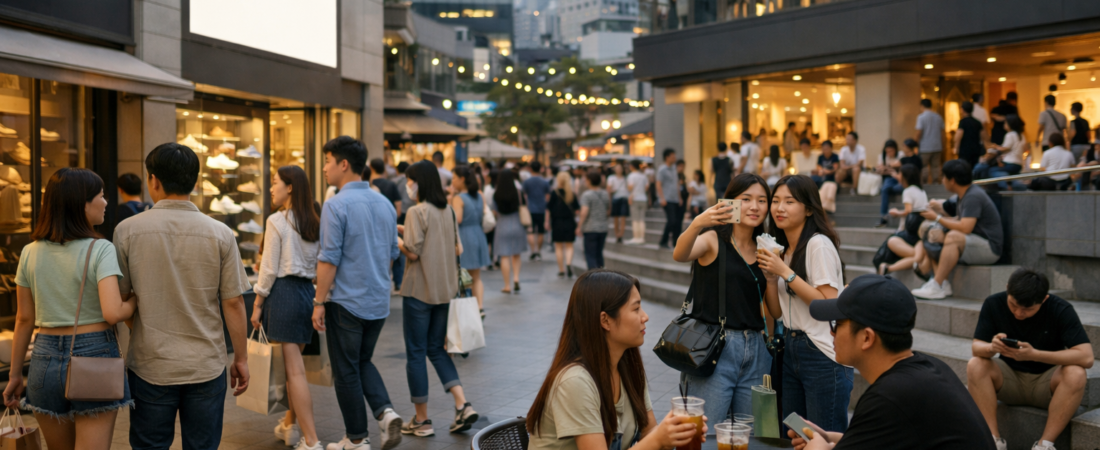
Small business owners near universities are the ones absorbing this change directly. Restaurants, pubs, and cafes built their entire business model around student foot traffic.
When that traffic dries up, revenue follows it down. Sales at these self-employed shops have declined continuously, not just for one semester but as a sustained trend.
Why would young people give up the social rituals that once defined campus life? Money is part of the answer, but it is not the whole story.
Many students say they simply prefer staying in. Streaming platforms offer entertainment without the cost of a movie ticket or the social pressure of a crowded bar.
It is a bit like watching an entire generation quietly opt out of the “going out” economy (no group chat needed to coordinate plans that never leave the couch). That convenience comes at a price for local merchants, though.
Fewer customers mean thinner margins, and thinner margins mean some shops simply cannot survive. This is the everyday reality behind the phrase 20대 소비 decline — it is not abstract, it shows up in closed storefronts.
The Bigger Picture: Demographics and Idle Youth

Behind the spending slowdown lies something even more concerning. Korea now counts 1.71 million young people classified as “resting” — meaning they are neither working, studying, nor actively job hunting.
That number has grown steadily, and it directly connects to the drop in 20대 소비. People without income or clear daily structure naturally spend less on discretionary items.
Should we be surprised by this connection? Not really — spending power follows opportunity, and opportunity has grown harder to find for many young Koreans.
Korea’s youth unemployment challenges are not new, but this data adds a fresh layer. It shows the economic effects rippling outward into everyday consumer behavior, from convenience stores to college-town restaurants.
For deeper context on Korea’s shifting labor market and youth policy responses, readers can review coverage from Maeil Business Newspaper, which has tracked this trend closely.
Population decline plays a role too. Korea’s shrinking birthrate means there are simply fewer 20-somethings than a decade ago, which compounds the drop in overall consumption from this age group.
What This Means for Korea’s Economy
So where does this leave Korea’s consumer market? Businesses that once depended on youth spending now face a harder question: how do you adapt when your core customer base is shrinking and changing habits at the same time?
Some cafes and restaurants are already experimenting with smaller portions, lower price points, and delivery-focused models. Others are pivoting toward older customers, who still show up in person and spend more per visit.
This kind of adjustment is honest work, not a quick fix. It reflects a market trying to meet people where they actually are, rather than where businesses wish they still were.
There is something quietly hopeful in that adaptability, even amid real hardship. Small business owners facing falling 20대 소비 are not simply giving up; many are finding creative ways to survive, and some local governments are testing support programs for youth employment and small merchants alike.
At the same time, we should not romanticize resilience without naming its cost. Behind every adapted business model are real families absorbing lost income, and behind every “resting” young adult statistic is likely someone quietly struggling with uncertainty, not simply choosing leisure over ambition.
Korea’s economy is being reshaped by choices young people are making about how they live, not just how they spend. Streaming instead of theaters, water instead of soda — these are small decisions that add up to something much larger.
What do you think is driving this shift among Korea’s 20-somethings — financial pressure, changing values, or something else entirely?
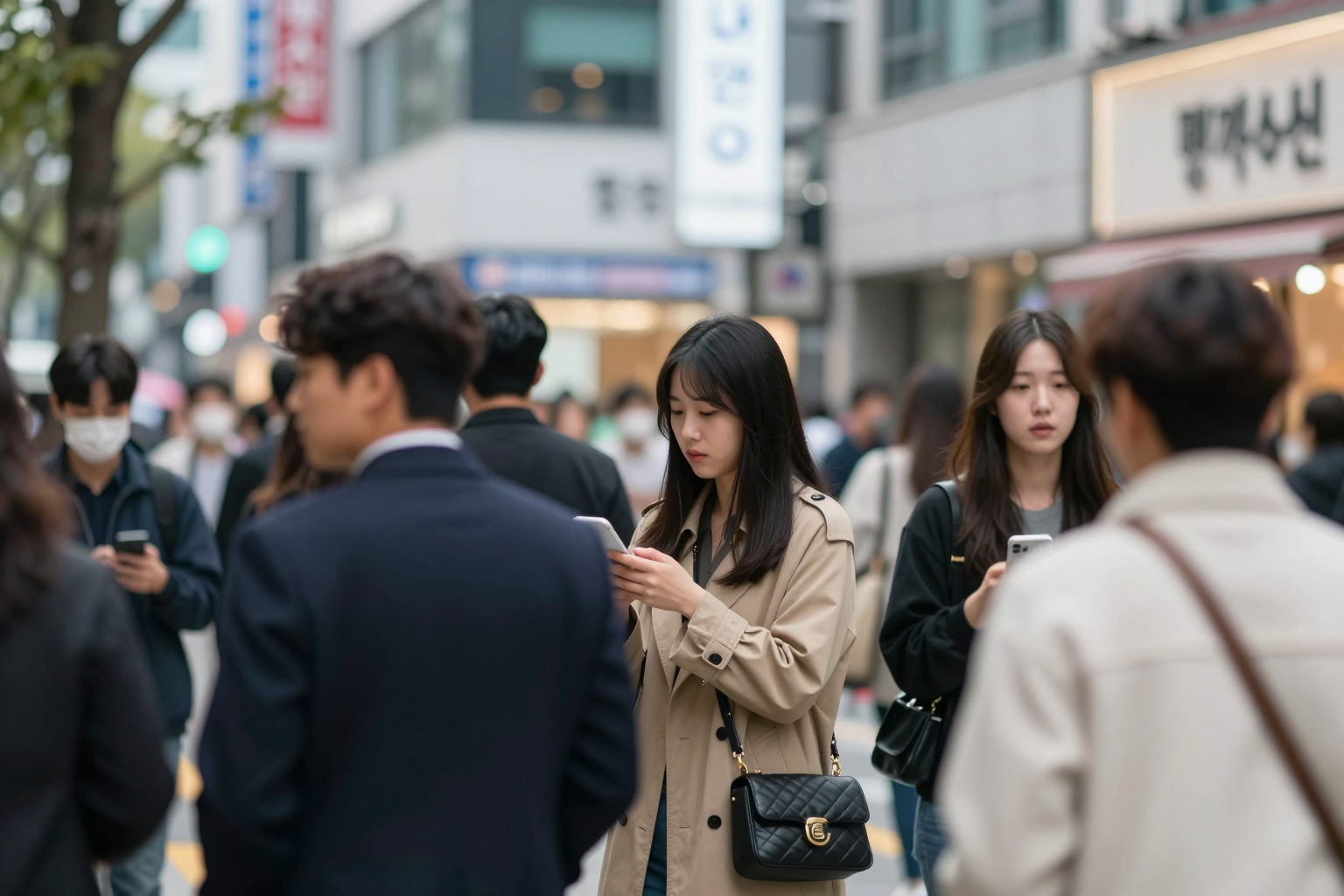
AI-Generated Photorealistic Image — All people, scenes, and details in this image are entirely AI-generated and fictional. Not a real photograph of an actual person or event. 이 이미지는 AI로 생성된 가상 이미지입니다.
Leave a Reply