
Table of Contents
Can one year really change how a country fights crime? That’s the question hanging over the Ministry of Justice this week. Minister Jeong Sung-ho just marked his first year in office, and he came with a long list of results.
From voice phishing crackdowns to corporate law reform, the Ministry of Justice says it delivered real change. But does the record match the rhetoric? Let’s break it down together.
A Year in Review: The Ministry of Justice Under Jeong Sung-ho
Minister Jeong Sung-ho took the helm of the Ministry of Justice one year ago. This week, he presented a formal review of his ministry’s performance. It’s the kind of report card every government official faces, but few present with this much detail.
Why does this matter to everyday Koreans? Because the Ministry of Justice touches nearly every part of daily life. It handles prosecution oversight, prisons, immigration, and legal policy all at once.
Jeong framed his tenure around a simple idea: protect ordinary citizens first. That’s a familiar promise in Korean politics. But this time, the ministry backed it up with specific numbers and named initiatives.
Three themes stood out in the announcement. First, cracking down on crimes that hurt regular people the most. Second, chasing down criminals who fled overseas to escape justice.
Third, pushing through business and administrative reforms that had stalled for years. Together, these three pillars tell a story about what this Ministry of Justice believes its job should be. Is it working? Let’s look closer at each piece.
Tackling Korea’s Three Major Crimes: Voice Phishing, Crypto, and Drugs
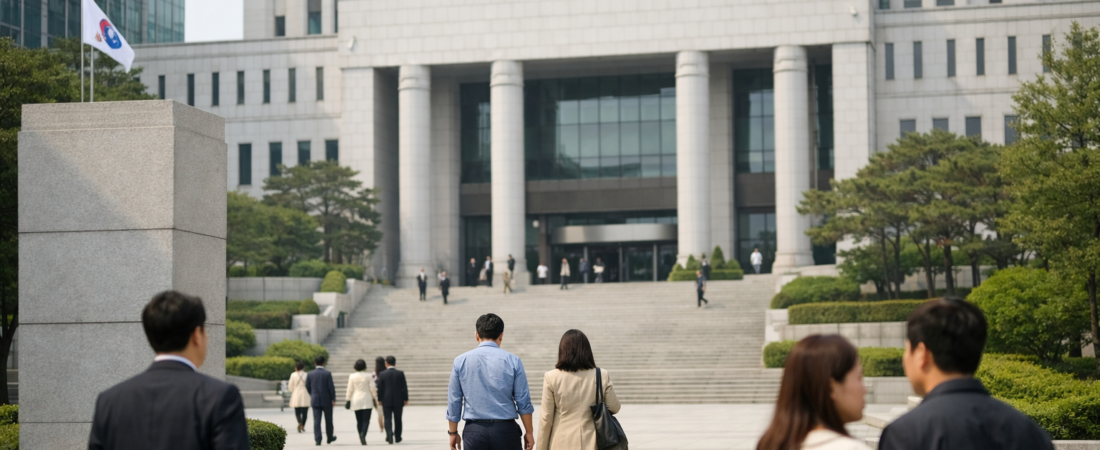
Voice phishing scams have plagued Korea for over a decade. Ask anyone with an elderly parent, and they’ll tell you a story about a scary phone call. The Ministry of Justice named this one of its top three enforcement priorities this year.
Crypto-related fraud made the list too, and that’s no surprise. Digital asset scams have exploded across Korea, targeting young investors chasing quick profits. The Ministry of Justice reported stronger enforcement measures aimed squarely at this growing threat.
Drug crime rounds out the trio, and it’s a newer challenge for Korean law enforcement. Korea long prided itself on being relatively drug-free compared to other developed nations. That reputation has slipped in recent years, especially among younger populations experimenting with synthetic drugs.
So how did the ministry respond? It says it strengthened investigative coordination across these three crime categories, treating them as connected threats rather than isolated problems.
That’s a meaningful shift in strategy. Voice phishing rings often launder money through crypto exchanges. Some networks even use drug profits to fund phishing operations.
Seeing these crimes as linked, rather than separate, lets the Ministry of Justice build smarter, more unified responses. Does this joined-up approach actually reduce victim numbers? That’s the real test, and it will take more than one year to answer fully.
Still, naming these three crimes as “malicious crimes” sends a signal. The Ministry of Justice wants Koreans to know these threats sit at the top of its priority list. For readers outside Korea, this mirrors a global pattern.
Voice phishing, crypto fraud, and drug trafficking increasingly cross borders and blend together. Korea’s response here offers a case study other nations may want to watch.
Bringing Fugitives Home and Reforming Corporate Law
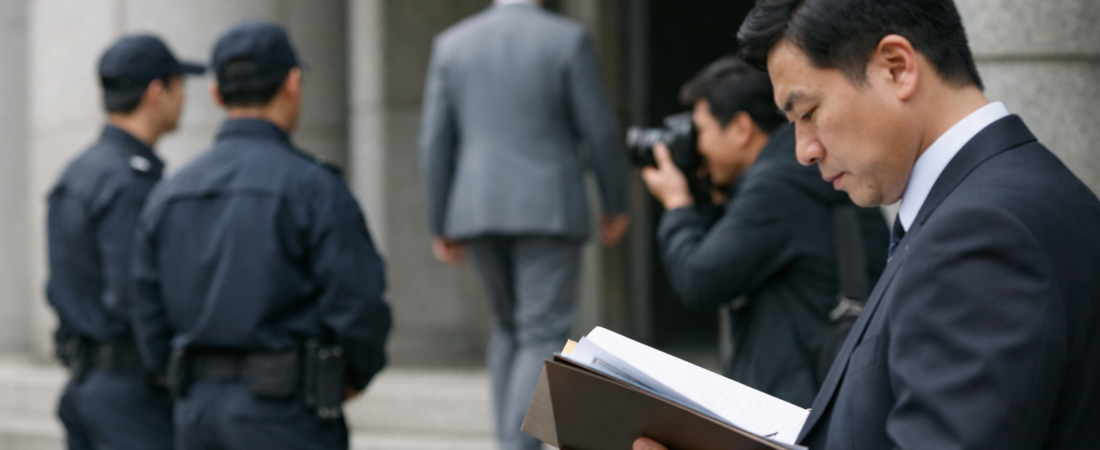
Here’s a frustrating reality many Koreans know well. Some criminals commit fraud or embezzlement, then flee the country before facing trial. The Ministry of Justice made repatriating these fugitives a headline achievement this year.
Extradition cases are notoriously difficult and slow. They require diplomatic coordination, international legal cooperation, and often years of patient negotiation. So when the Ministry of Justice reports successful returns, that reflects real behind-the-scenes work with foreign governments and Interpol channels.
Why should you care about extradition if you’re not Korean? Because financial crime doesn’t respect borders anymore. A scammer who defrauds Korean investors today might target victims in another country tomorrow.
Strong extradition systems protect everyone connected to the global financial system. Beyond fugitives, the ministry also pushed reforms to fair trade law and commercial law this year. These aren’t headline-grabbing topics, but they shape how businesses operate every single day.
Fair trade regulations determine whether large corporations can bully smaller competitors. Commercial law updates affect everything from shareholder rights to corporate governance standards.
For a country whose economy leans heavily on conglomerates like Samsung and Hyundai, these legal tweaks carry outsized weight. The Ministry of Justice framed these changes as part of a broader push for economic fairness.
Small business owners have long complained about an uneven playing field. Did this year’s reforms fix that imbalance? Probably not completely, but the direction matters.
Legal reform tends to move slowly, one amendment at a time. The ministry also highlighted improvements to correctional facilities, or Korea’s prison system.
Overcrowding and outdated infrastructure have drawn criticism for years from human rights groups. Any upgrade here, even incremental, deserves attention. You can find more background on Korea’s justice system reforms through Korea Daily Life News, which has tracked these policy shifts closely.
Legislative Wins and Accountability at the Ministry of Justice
Numbers tell part of the story here. The Ministry of Justice reported 38 pieces of legislation passed this year related to public welfare and safety. That’s a substantial legislative footprint for a single ministry in twelve months.
What kind of laws are we talking about? Bills covering livelihood protections and safety standards typically fall under this umbrella. These are the quiet, unglamorous laws that rarely make international headlines but affect millions of Korean households directly.
Getting 38 bills through Korea’s National Assembly isn’t simple, either. Korean politics remains sharply divided between the ruling party and opposition. Any ministry that pushes this much legislation through gridlock deserves a closer look at how it built consensus.
Perhaps the most politically sensitive item on the list involves prosecutorial power. The Ministry of Justice says it worked to investigate allegations of abuse within the prosecution service itself. This is a genuinely delicate topic in Korean politics.
Korea’s prosecution service has faced years of criticism over concentrated power. Reformers argue prosecutors hold too much unchecked authority, capable of both investigating and indicting without sufficient oversight.
Addressing this issue means the ministry is willing to examine its own house, not just external threats. Does self-examination like this actually produce accountability, or is it mostly symbolic? That question deserves scrutiny from journalists and citizens alike.
Korea has seen prosecutorial reform promises before, some fulfilled and others abandoned. What sets this year apart, according to the ministry, is a stated commitment to transparency around abuse allegations rather than silence.
Whether that commitment produces lasting institutional change remains to be seen. The Ministry of Justice under Jeong Sung-ho clearly wants credit for both external crime-fighting and internal reform. Balancing those two roles isn’t easy for any justice ministry, in Korea or elsewhere.
Looking ahead, the real measure of this first year won’t come from press releases. It will come from crime statistics, court outcomes, and whether ordinary Koreans feel safer using their phones and bank accounts. The Ministry of Justice has set an ambitious tone.
Now it needs sustained follow-through, not just a strong opening chapter. Korea’s justice system sits at a genuine crossroads between modernization and long-standing structural challenges. What do you think about the Ministry of Justice’s approach to balancing crime prevention with internal accountability?
AI-Generated Photorealistic Image — All people, scenes, and details in this image are entirely AI-generated and fictional. Not a real photograph of an actual person or event. 이 이미지는 AI로 생성된 가상 이미지입니다.



Leave a Reply