
Table of Contents
Can a coastal city in South Korea change how the world sees cultural heritage? For the first time ever, the UNESCO World Heritage Committee has opened its annual session in Busan. This is not a small detail. It marks a historic milestone for Korea, and it puts the country’s cultural diplomacy on a global stage.
President Lee Jae-myung opened the meeting with a bold statement. He called Korea a “cultural powerhouse” ready to protect world heritage and support international peace. That phrase deserves a closer look, and so does the meeting itself.
A Historic First: UNESCO World Heritage Committee Opens in Busan
Busan has hosted many international events before. But this is different. The UNESCO World Heritage Committee has never held its session on Korean soil until now, and that alone makes this year’s gathering worth watching.
Why does location matter so much? Hosting this committee sends a signal. It tells the world that Korea has moved from being a heritage applicant to being a heritage leader.
Delegates from dozens of countries have gathered in Busan this week. They will review 33 separate nominations for World Heritage status. That is a heavy workload, and it shows how much attention global heritage protection now receives.
The committee will also check on sites already listed. Preservation is not a one-time achievement. Sites can lose their status if governments fail to protect them properly, so ongoing monitoring is just as important as the initial listing.
President Lee Jae-myung’s opening remarks framed this session as more than paperwork. He connected heritage protection to global peace. Is that connection real, or just diplomatic language? Let’s look at what the committee actually does before answering that question.
What Does the UNESCO World Heritage Committee Actually Do?
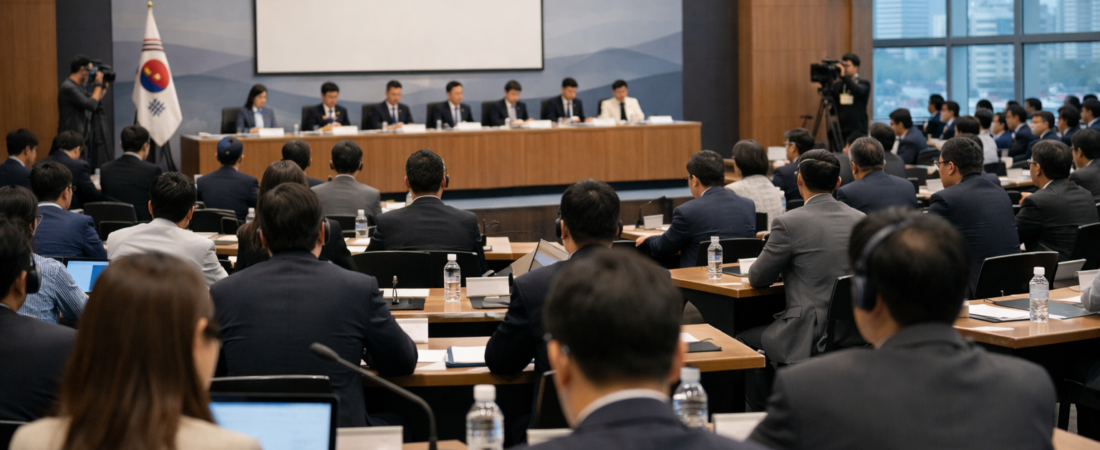
Many readers know the term “World Heritage Site.” Fewer understand the committee behind it. The UNESCO World Heritage Committee is the body that decides which places earn that label, and which ones keep it.
Think of it as a global review board. Nations submit proposals for cultural or natural sites they believe deserve protection. The committee then studies each case, consults experts, and votes on approval.
This process is not quick or easy. Some nominations take years, even decades, before they succeed. Countries must prove a site has “outstanding universal value,” a standard that sounds simple but is actually quite strict.
The committee also monitors existing sites for damage, neglect, or mismanagement. A listed site is not guaranteed to stay listed forever. If a government fails to maintain it, the committee can place it on a danger list or remove it entirely.
This year in Busan, the UNESCO World Heritage Committee faces one of its busiest agendas in recent memory. Thirty-three nominations is a large number for a single session. That volume alone tells you how much global interest in heritage protection has grown.
You might wonder why so many countries compete for this recognition. The answer is straightforward. A World Heritage listing brings tourism, funding, and international prestige, all at once.
President Lee Jae-myung’s Vision for Cultural Diplomacy

President Lee Jae-myung used his opening address to make a larger point. Korea, he said, has become a cultural powerhouse. That claim is backed by more than just optimism.
From K-pop to K-dramas, Korean culture already reaches global audiences. Now the government wants heritage protection to be part of that same story. Hosting the UNESCO World Heritage Committee fits neatly into this broader strategy.
Why link heritage protection to international peace? History offers an answer. Shared cultural sites often become common ground between nations that disagree on other issues, and UNESCO itself was founded partly on that idea after World War II.
Korea’s approach here reflects a shift in how middle powers use culture. Smaller countries cannot always compete militarily or economically with major powers. But cultural influence works differently, and Korea has learned to use it well.
You could call this “soft power,” a term scholars use often. Hosting a major UNESCO event is soft power in action. It builds goodwill, and it positions Korea as a responsible global partner in heritage protection.
Readers who want to follow the committee’s official proceedings can check updates through Korean Daily Life News for further details on session outcomes. This kind of transparency matters, especially when 33 nominations are under review at once.
Does hosting this event guarantee lasting influence? Not automatically. But it does give Korea a strong platform, and platforms matter in international diplomacy.
Korea’s Tidal Flats and What Comes Next
One nomination has drawn special attention during this session. Korea is seeking to expand its tidal flats listing, building on wetlands already recognized for their ecological value. These coastal mudflats support rare bird species and unique ecosystems found almost nowhere else.
Why do tidal flats matter so much to conservationists? They act as natural filters, migratory bird stopovers, and carbon storage systems. Losing them would mean losing far more than scenery.
Korea’s original tidal flats listing was approved a few years ago, covering select coastal areas. This new proposal seeks to widen that protection significantly. If the UNESCO World Heritage Committee approves the expansion, it would strengthen legal protections against industrial development along these coasts.
That protection is not just symbolic. It affects real decisions about land use, port construction, and coastal development for years to come.
Local communities near these tidal flats have mixed feelings. Some welcome the tourism and international recognition. Others worry about restrictions on fishing and small-scale coastal activities, so balancing conservation with local livelihoods remains a genuine challenge.
This tension is not unique to Korea. Heritage protection often creates friction between global environmental goals and local economic needs. How should nations balance these competing interests? There is no single answer, but transparent dialogue between government and residents tends to produce better outcomes.
Looking ahead, this Busan session could become a turning point. If Korea successfully expands its tidal flats listing, it sets a precedent for future ecological nominations from other nations. The UNESCO World Heritage Committee‘s decisions here will ripple beyond Korea’s borders.
Korea’s growing role in heritage diplomacy raises a bigger question for the region. Will other Asian nations follow this model of linking culture, ecology, and international relations? Given Korea’s recent global cultural rise, it seems likely that neighboring countries are watching closely.
For global readers, this story offers more than local news. It shows how a single nation can use cultural leadership to build broader influence. Korea’s bid to host and shape decisions within the UNESCO World Heritage Committee reflects a maturing sense of national identity, one that blends tradition with modern diplomacy.
As the Busan session continues, expect more announcements regarding the 33 pending nominations. Some will succeed. Others may face delays or requests for additional documentation, which is common in this rigorous process.
Whatever the outcome, Korea has already achieved something meaningful simply by hosting this milestone event. What do you think about Korea’s growing role in global heritage protection, and could this signal a broader shift in how middle powers exercise cultural influence worldwide?
AI-Generated Photorealistic Image — All people, scenes, and details in this image are entirely AI-generated and fictional. Not a real photograph of an actual person or event. 이 이미지는 AI로 생성된 가상 이미지입니다.


Leave a Reply