Table of Contents
Chungju City hosts the “2026 Generations in Harmony Culture Festival” at Tanguem Park, marking the 30th Senior’s Day. Located in North Chungcheong Province, Chungju City built this event around one goal: connecting older and younger generations through shared culture.
Have you ever wondered how a mid-sized Korean city keeps its community glue strong? Chungju City seems to have found an answer worth studying.
What Is Chungju City’s Generation Culture Festival
Chungju City designed this festival specifically around generational connection. The event takes place at Tanguem Park, a well-known green space along the Namhan River in the heart of Chungju.
Rather than a simple senior-focused gathering, Chungju City built a program mixing age groups together. Think performances, hands-on activities, and shared meals — all under one roof, or rather, one riverside park.
This matters because Korea’s Senior’s Day traditionally centers on respect for elders. Chungju City expanded that idea. Instead of honoring seniors from a distance, the festival invites younger residents to sit beside them, talk with them, and celebrate together.
That shift reflects a broader trend across Korean local governments. Cities are rethinking how public events can rebuild face-to-face contact that modern life often erases.
Why Senior’s Day Still Matters in Korea
Korea’s Senior’s Day began decades ago, and this year marks its 30th anniversary. The observance grew out of Confucian traditions emphasizing filial piety and respect for elders.
But why does a government still mark this day formally in 2026? Korea faces one of the fastest-aging populations in the world, and that demographic shift changes how communities function.
Rural and mid-sized cities like Chungju feel this shift especially strongly. Younger residents often move to Seoul or larger metro areas for work, leaving behind a population skewed older.
Chungju City’s festival responds directly to that reality. By pulling generations back into the same physical space, even briefly, the event tries to counter a quieter, slower kind of separation — the everyday distance between grandparents and grandchildren living in different cities.
You don’t need statistics to feel this tension if you’ve visited rural Korea. Village halls sit fuller of gray hair than they used to, and that visual tells its own story.
How to Experience Tanguem Park Like a Local
If you plan to visit Chungju City around Senior’s Day, Tanguem Park offers an easy way into local life. The park sits near the Namhan River, making it a scenic backdrop for outdoor festivals.
Arrive early if you want a good spot — Korean festival crowds move fast, and food stalls tend to sell out (yes, someone always underestimates how much tteokbokki a festival crowd can consume).
Beyond the festival days, Tanguem Park remains a solid destination year-round. Locals use it for walking, cycling, and quiet river views, making it a good stop even outside festival season.
Public transportation connects the park to central Chungju without much difficulty. Checking current bus schedules through Yonhap News Agency or local tourism sites before your trip saves time.
Chungju City also promotes the park as a base for exploring nearby cultural sites, including Chungju Tangeumdae, the historic site the park takes its name from. Combining a festival visit with a short walk through that history gives visitors a fuller picture of the city.
Guide to Generational Bonding Festivals Across Korea
Chungju City is not alone in this approach. Cities across Korea now hold similar generation-themed festivals, especially around Senior’s Day each September.
This pattern raises a real question worth sitting with. Can a single festival day genuinely repair distance built over years of separate lives?
Honestly, probably not by itself. Korean society still wrestles with real strain between generations — different views on work, family duty, and how elders should be cared for in a fast-changing economy.
But dismissing these festivals as symbolic gestures misses something important too. Small, repeated moments of shared time — a shared meal, a shared performance, a shared afternoon in a park — build the kind of familiarity that policy alone cannot manufacture.
Chungju City’s festival won’t solve Korea’s aging challenges in one afternoon. Yet it points toward a modest, human-scale answer: keep showing up together, even briefly, and let ordinary contact do quiet work that grand solutions often cannot.
What do you think about local festivals like this as a way to strengthen ties between generations?
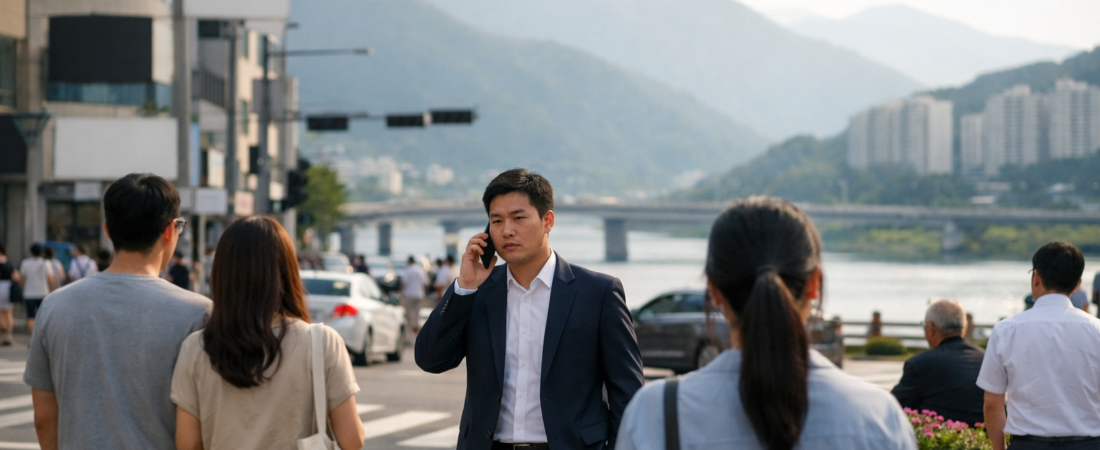
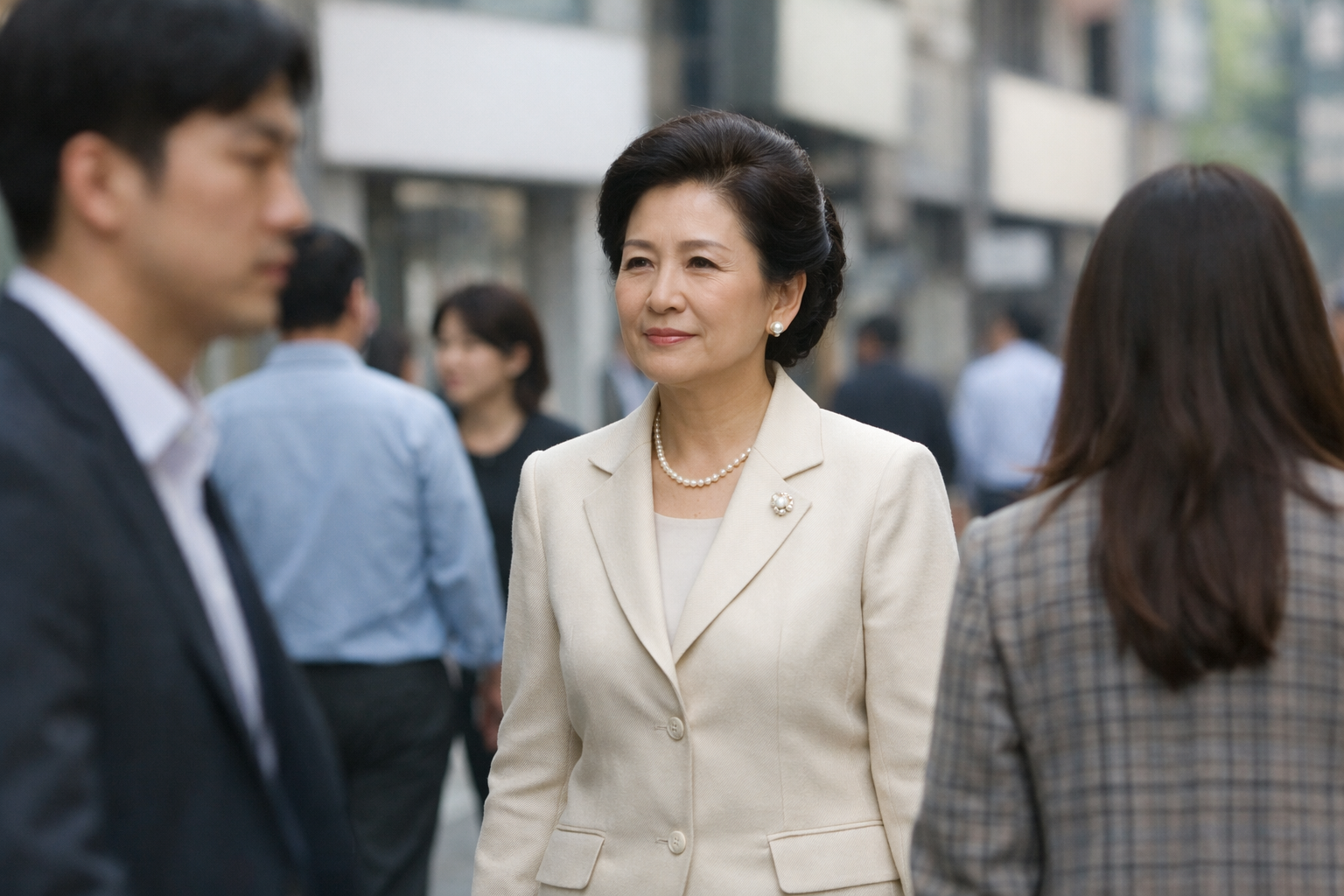
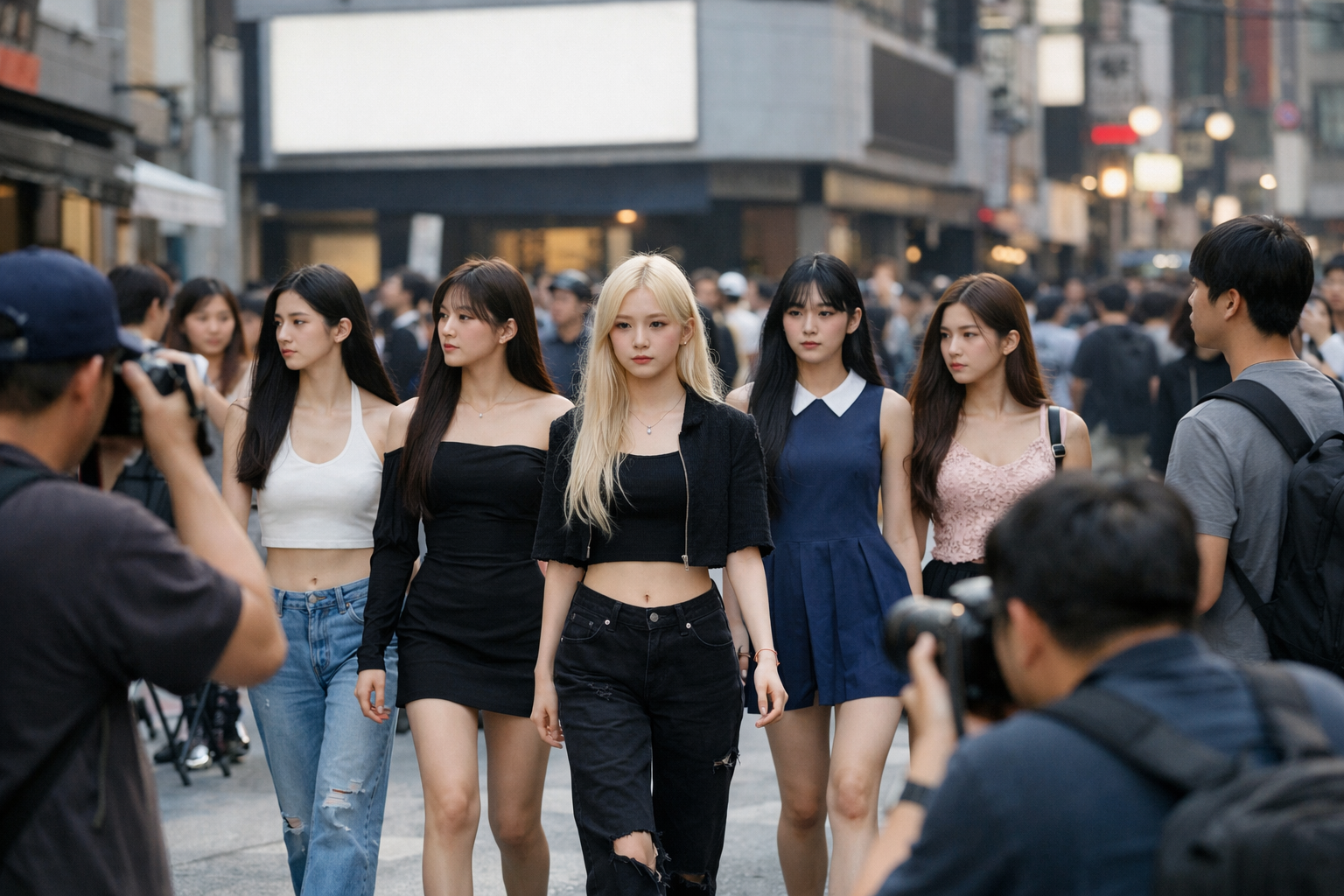
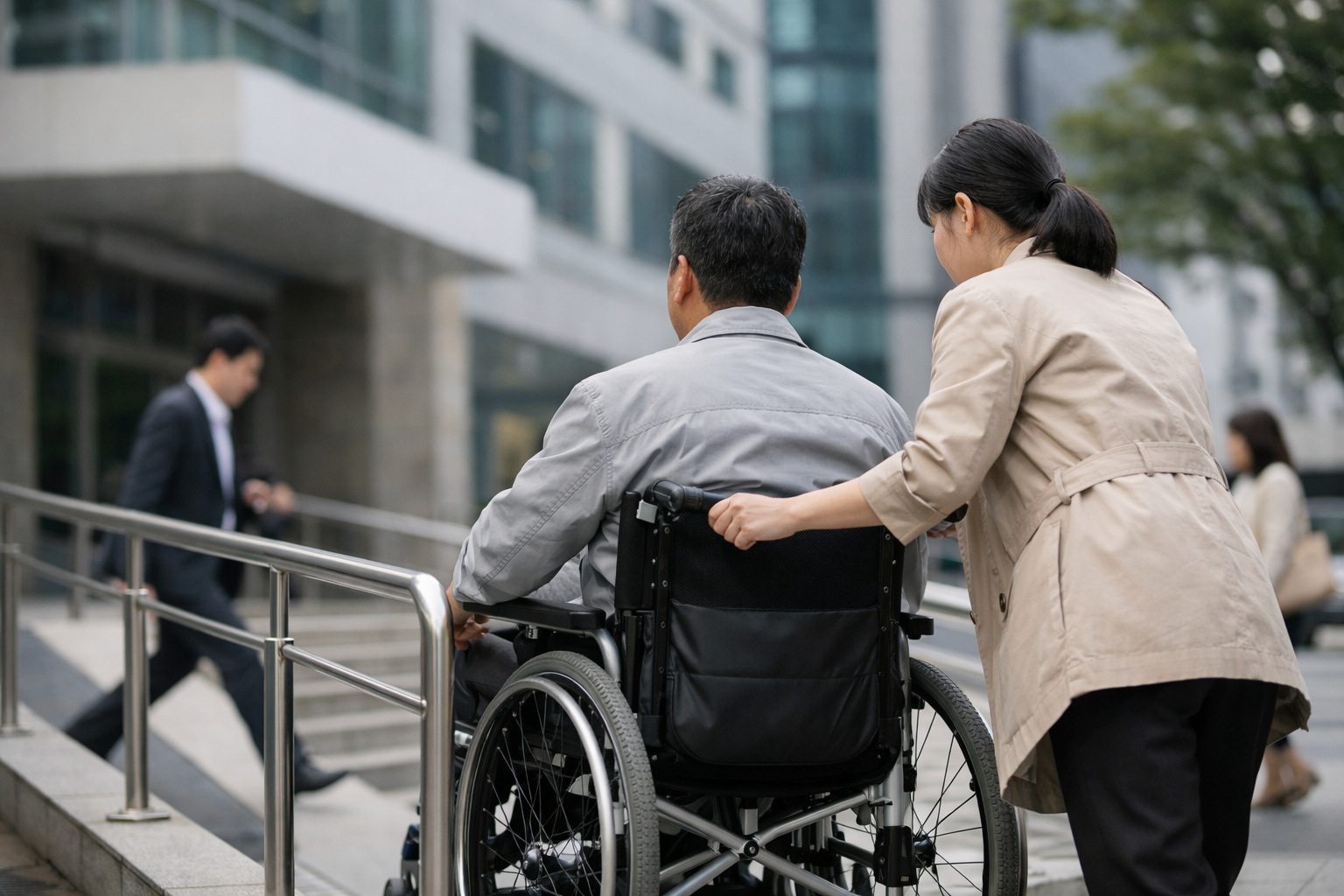
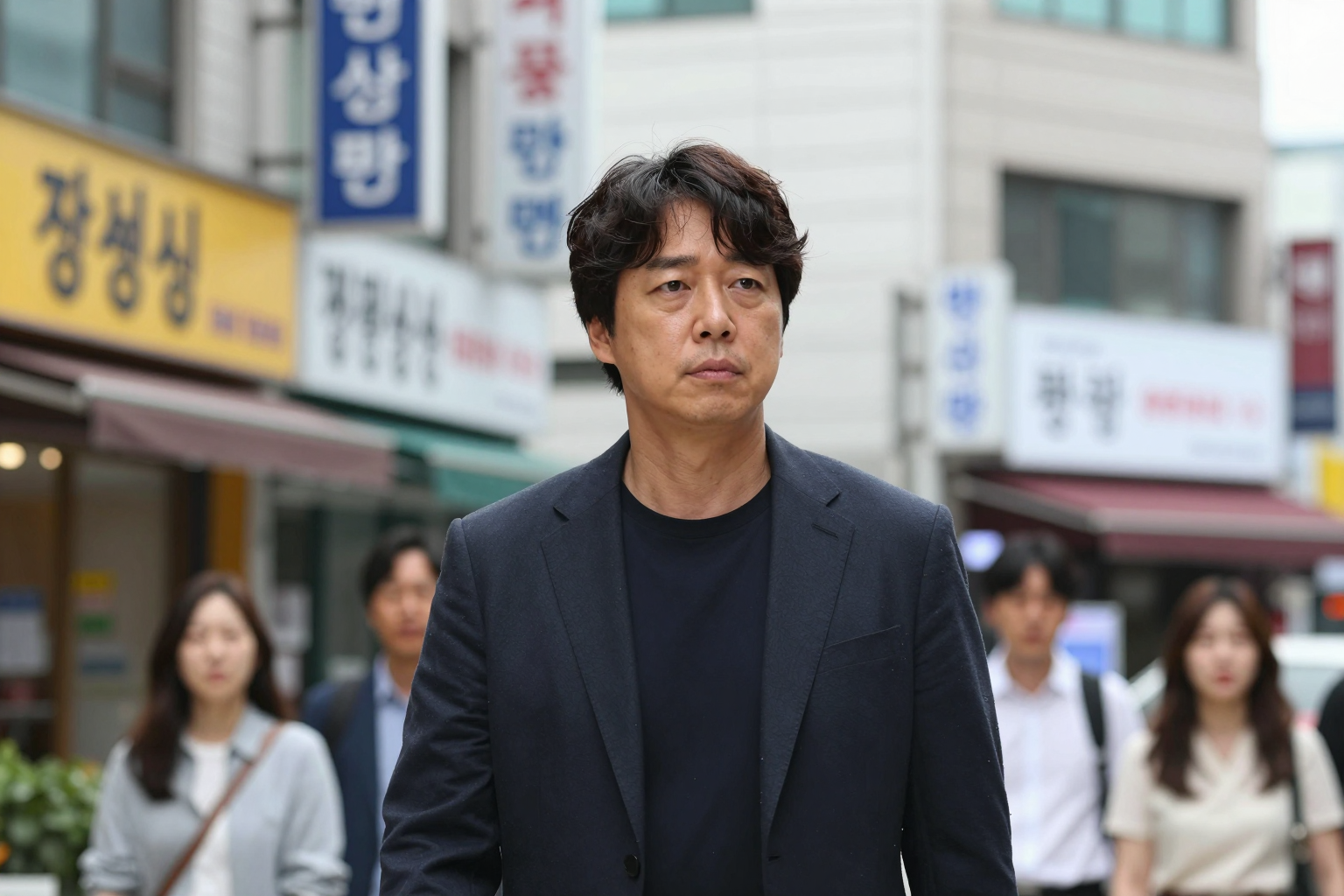
AI-Generated Photorealistic Image — All people, scenes, and details in this image are entirely AI-generated and fictional. Not a real photograph of an actual person or event. 이 이미지는 AI로 생성된 가상 이미지입니다.
Leave a Reply